
Noise barriers: reconnect with nature.
Pilebyg® and HF1: two wooden noise barrier products with acoustic rock-wool cores, available in natural or minimalist finishes.
Our two wooden noise barriers.
Pilebyg® in woven willow and HF1 in larch. Manufactured in Canada and distributed across North America.

Pilebyg®
Woven willow noise barrier with an acoustic rock-wool core. Organic texture and natural landscape integration.
- Absorptive on both sides
- 30+ year durability
- Natural anti-graffiti surface: not paint-friendly, spray paint runs and fades over time
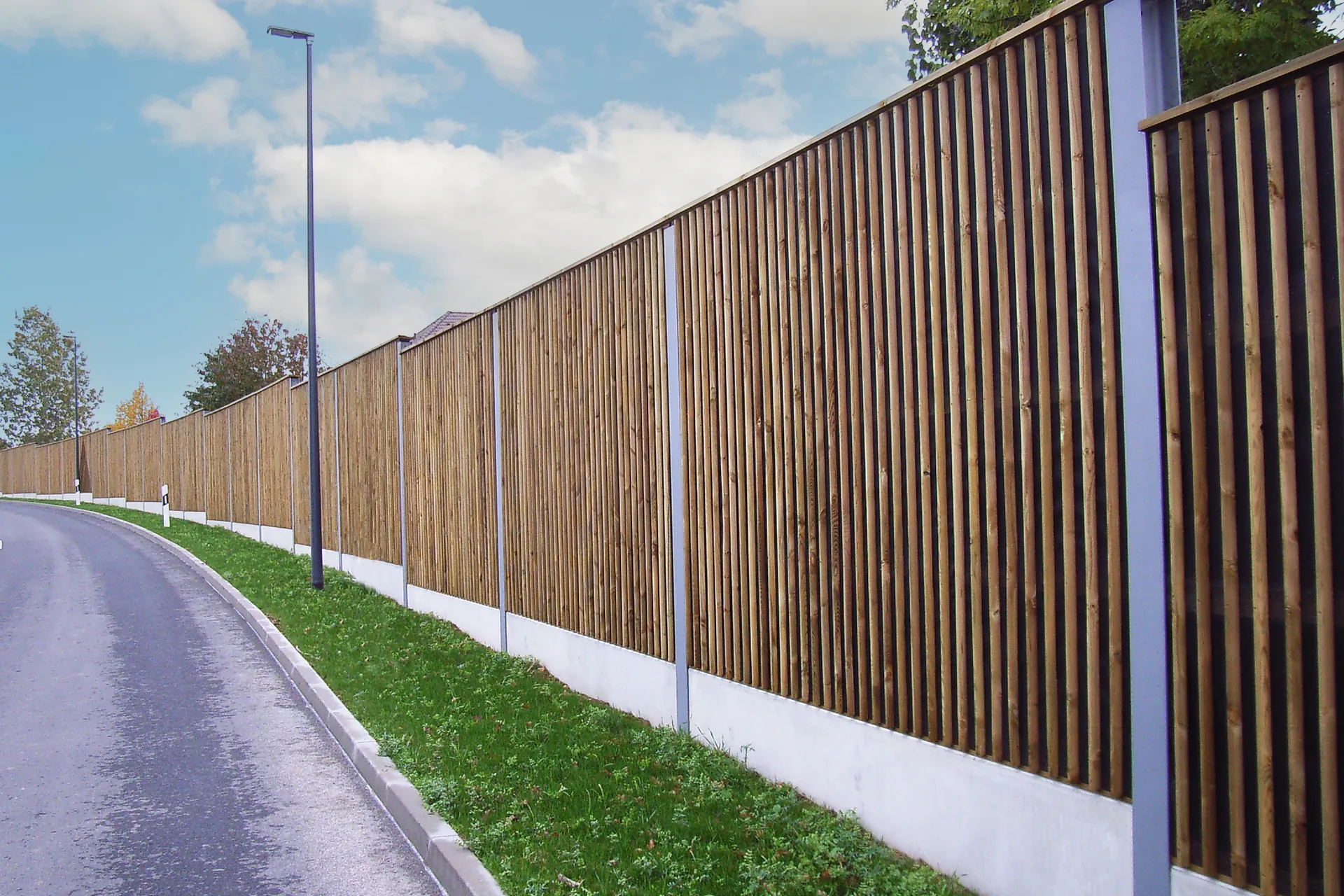
HF1
Larch noise barrier with an acoustic rock-wool core. Wood texture, straight lines, and a contemporary finish.
- Absorptive on one side
- 30+ year durability
- Clean design
A noise barrier for every noise source.
Our noise barriers in the field.






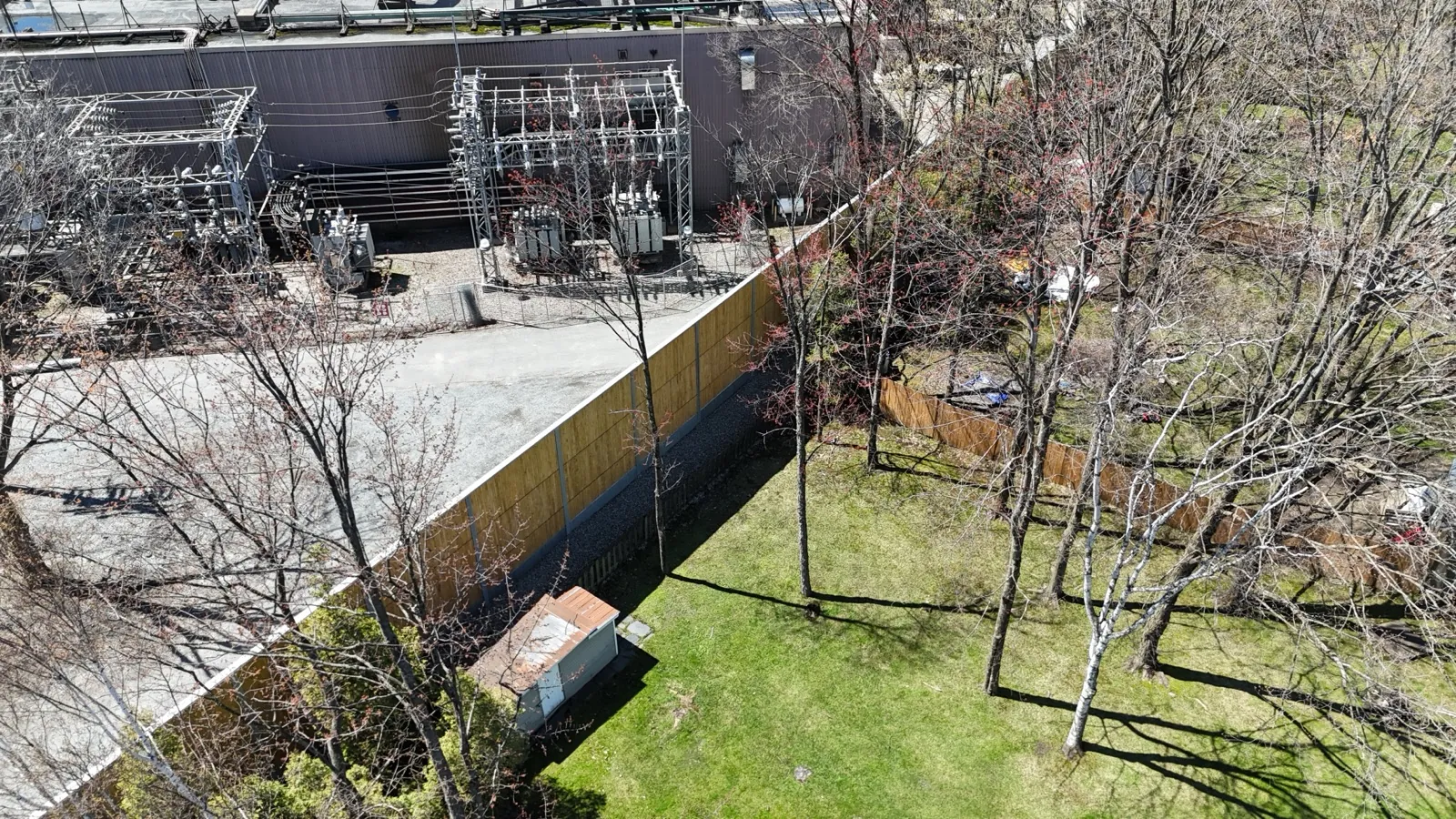
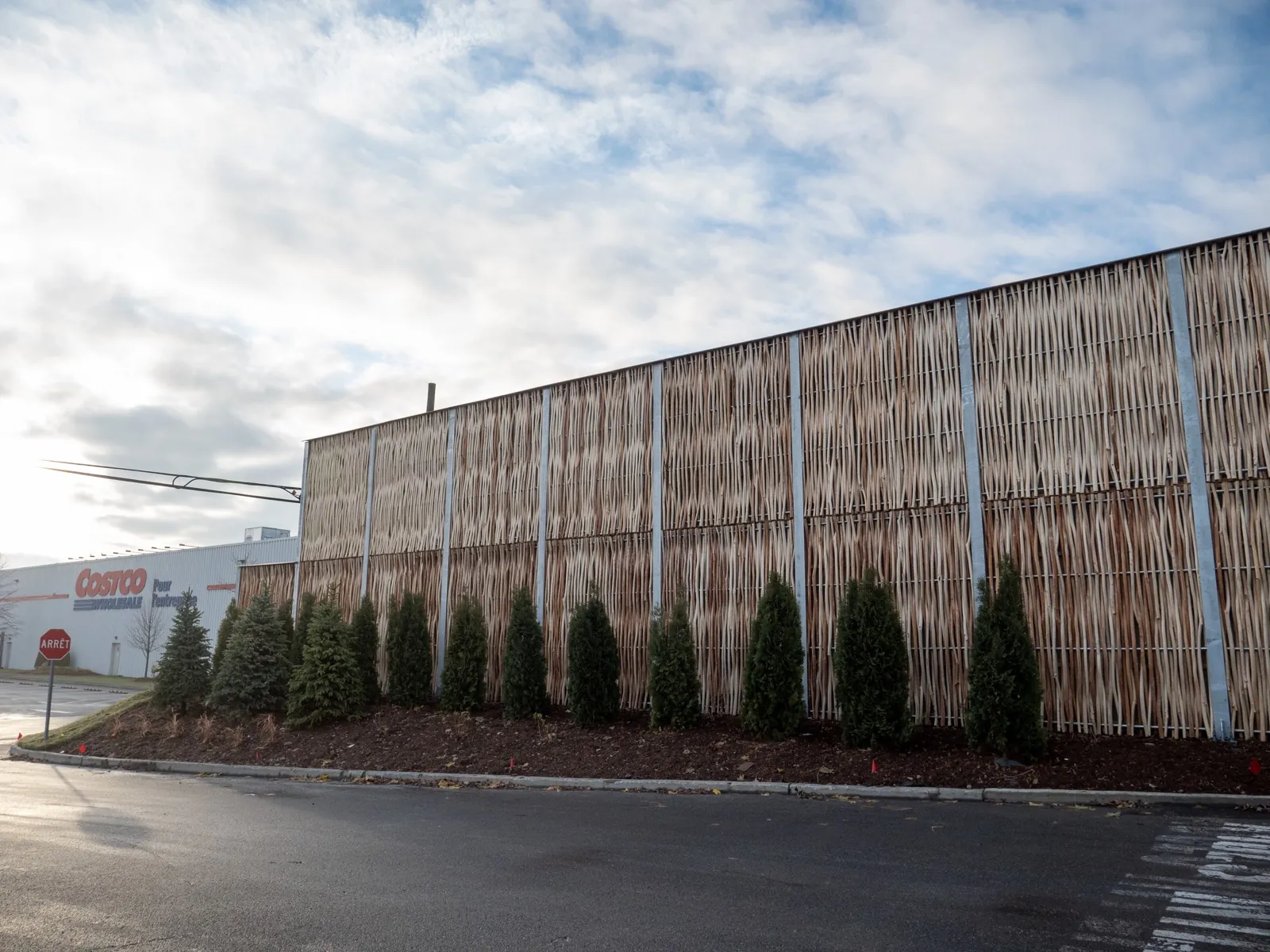
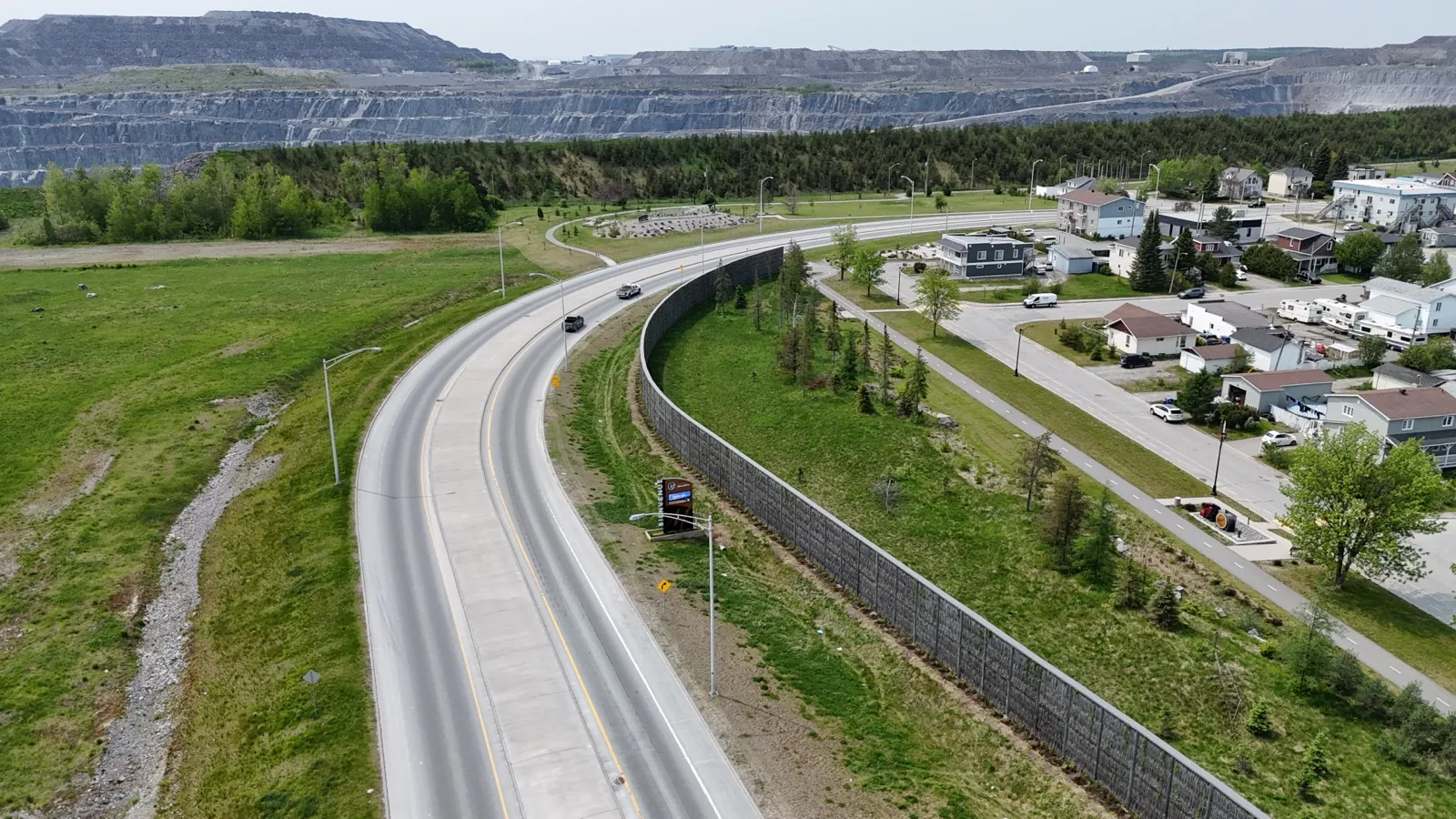
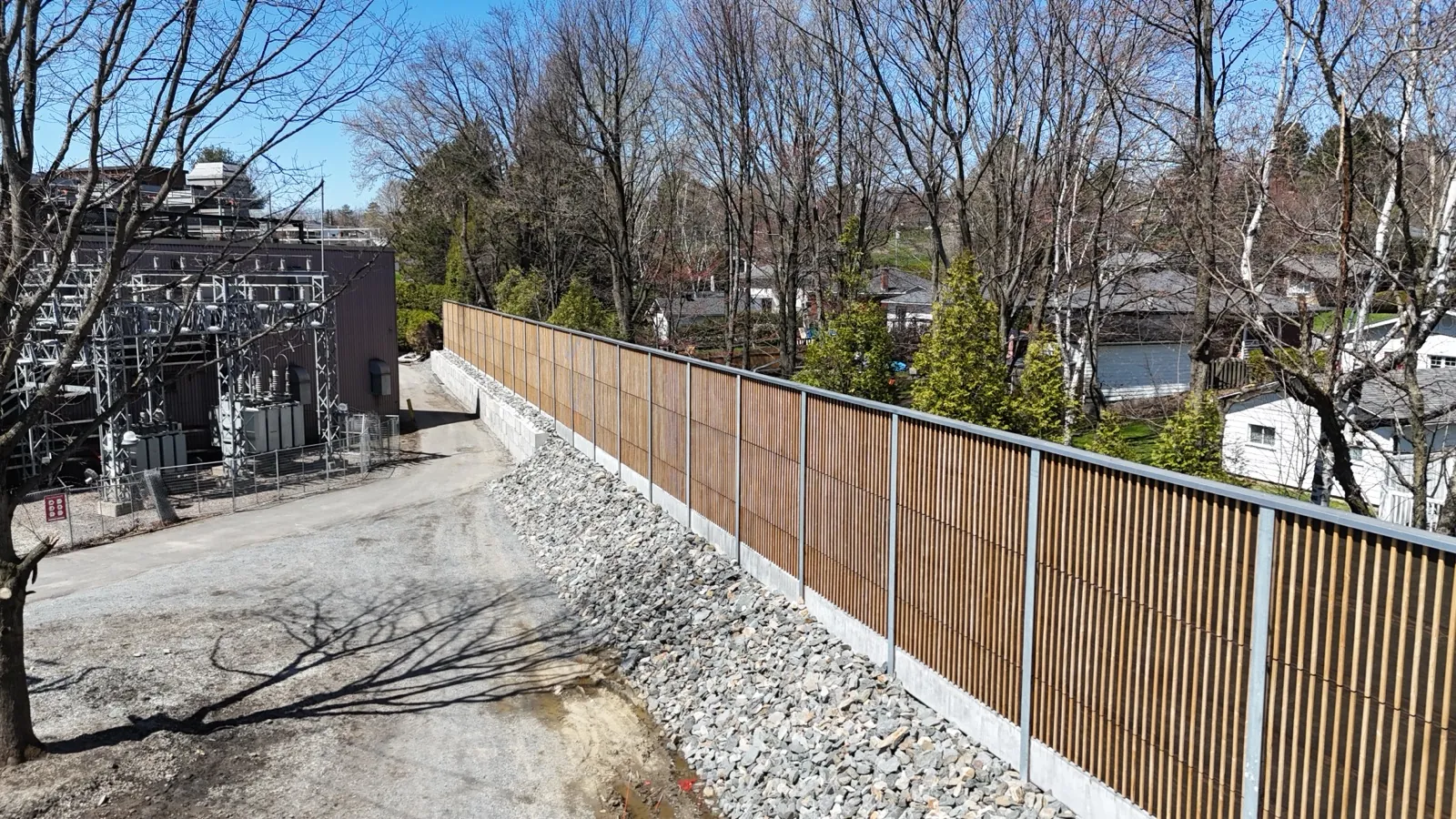
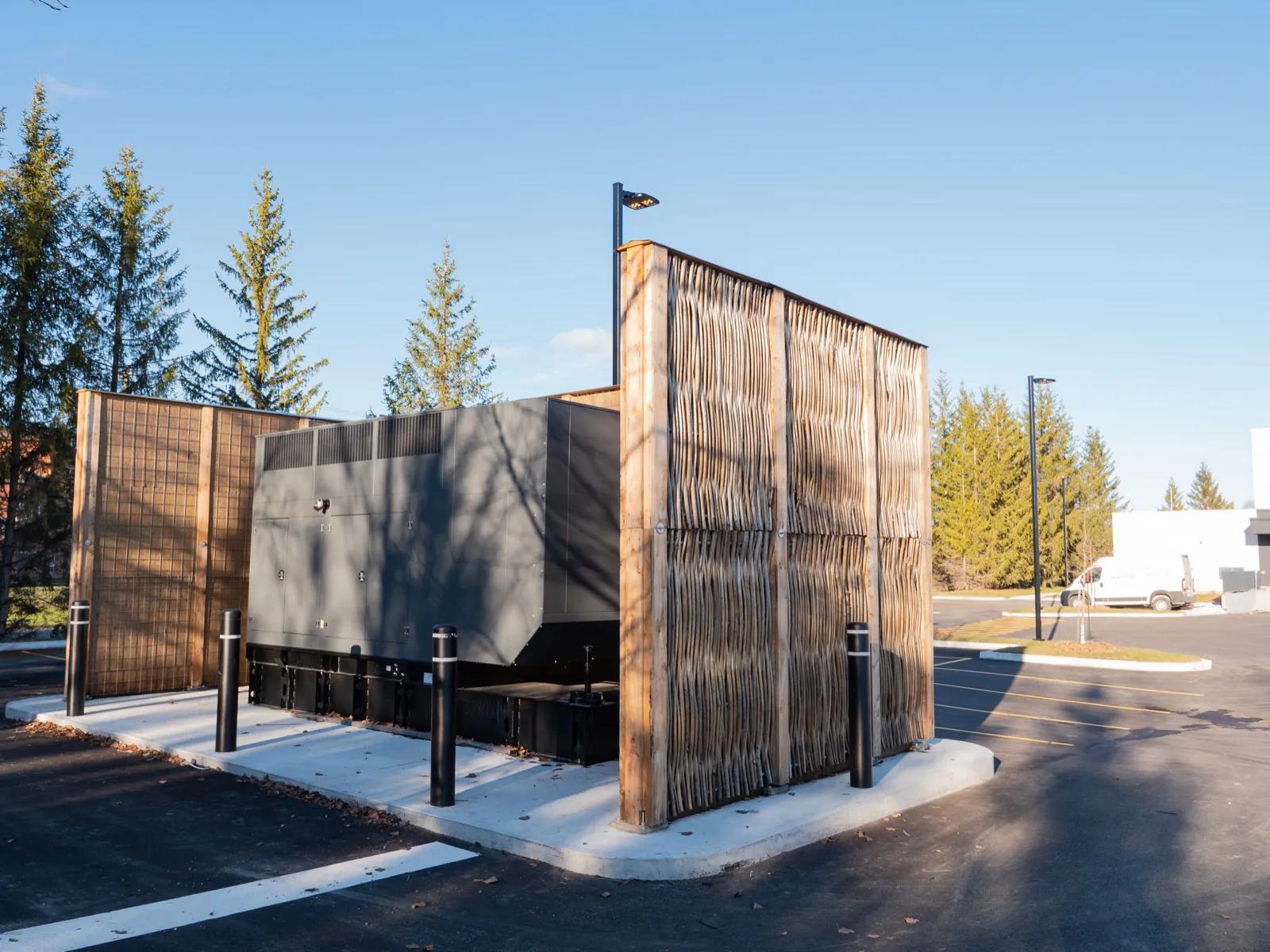
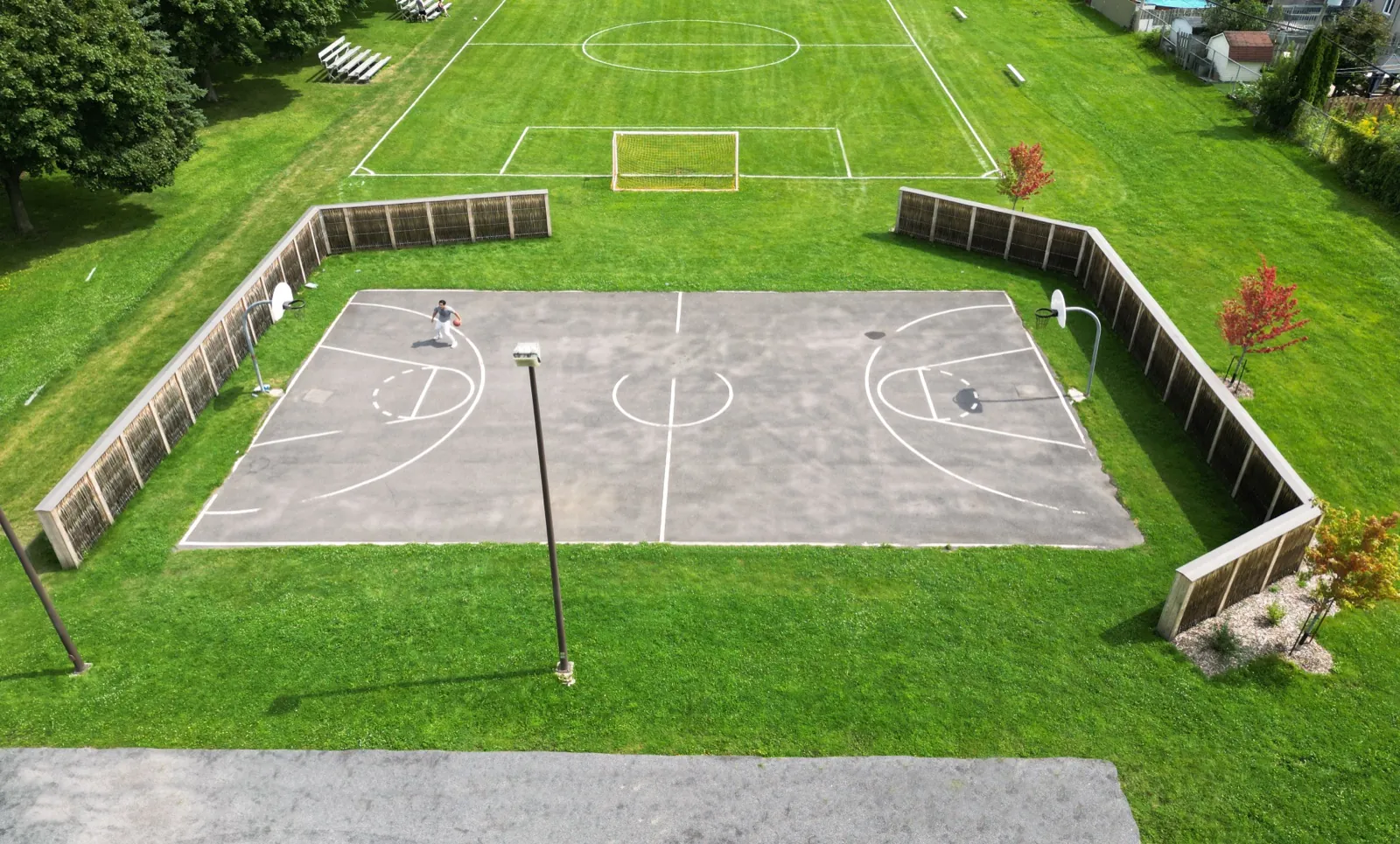
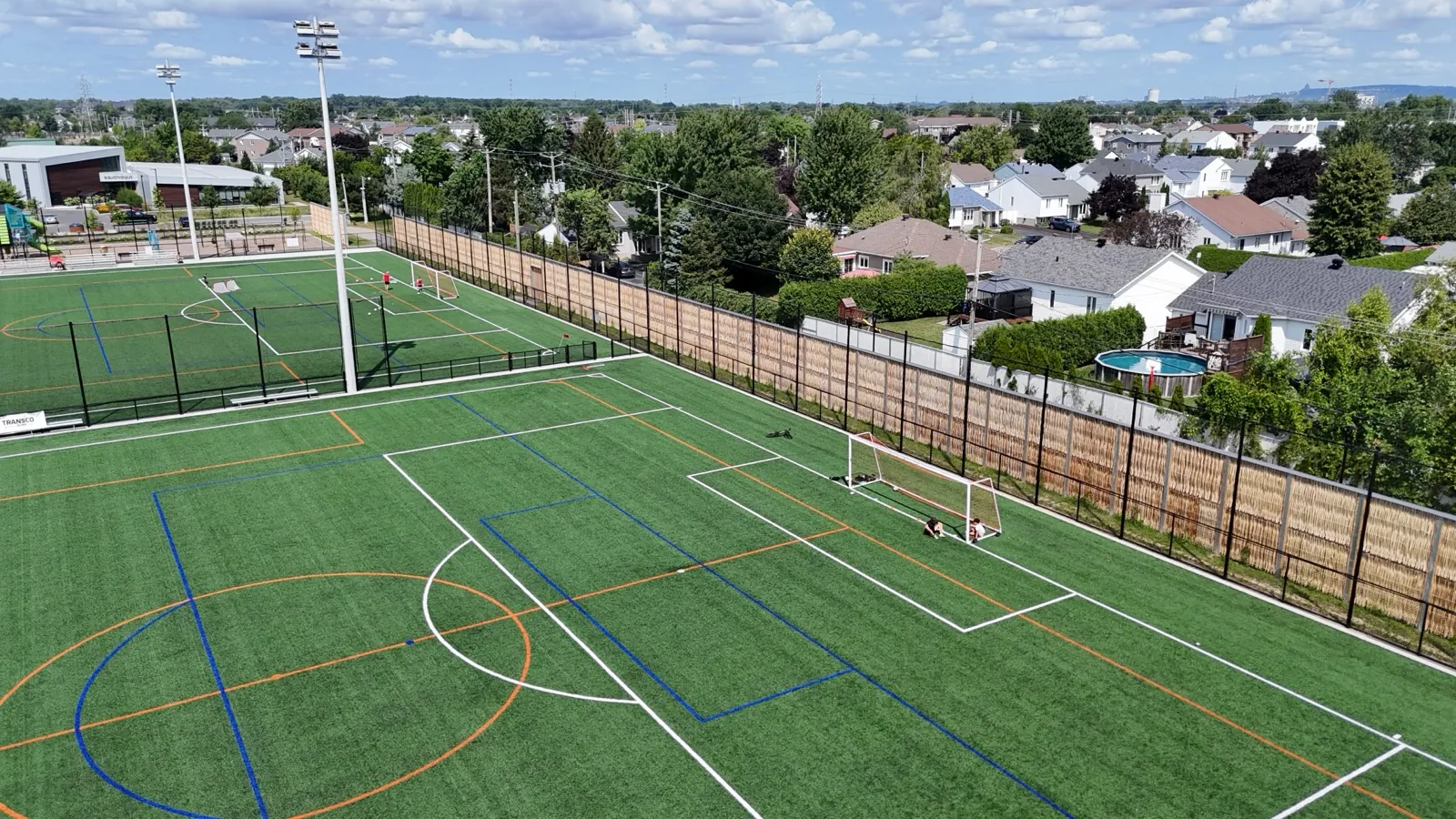
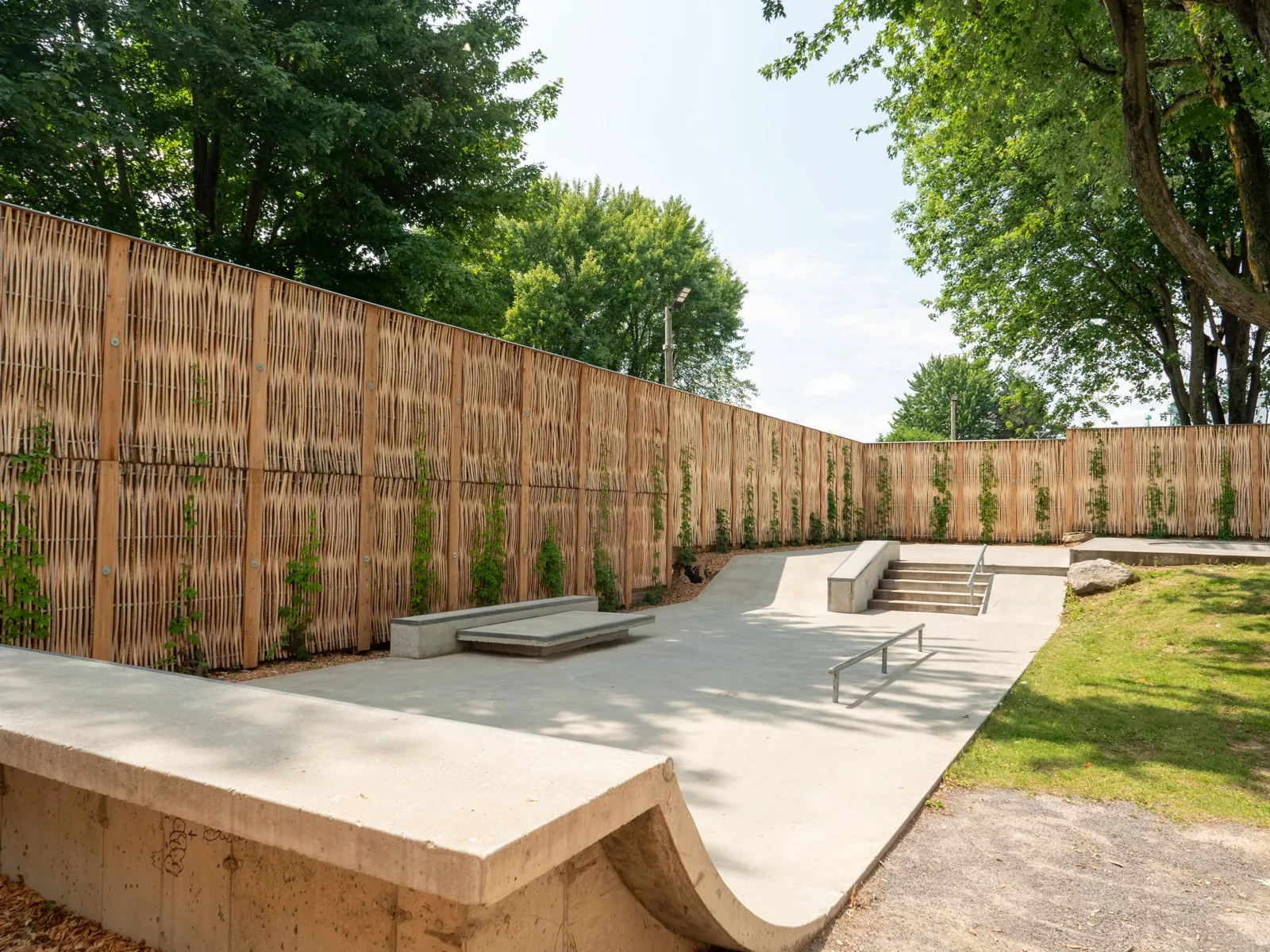
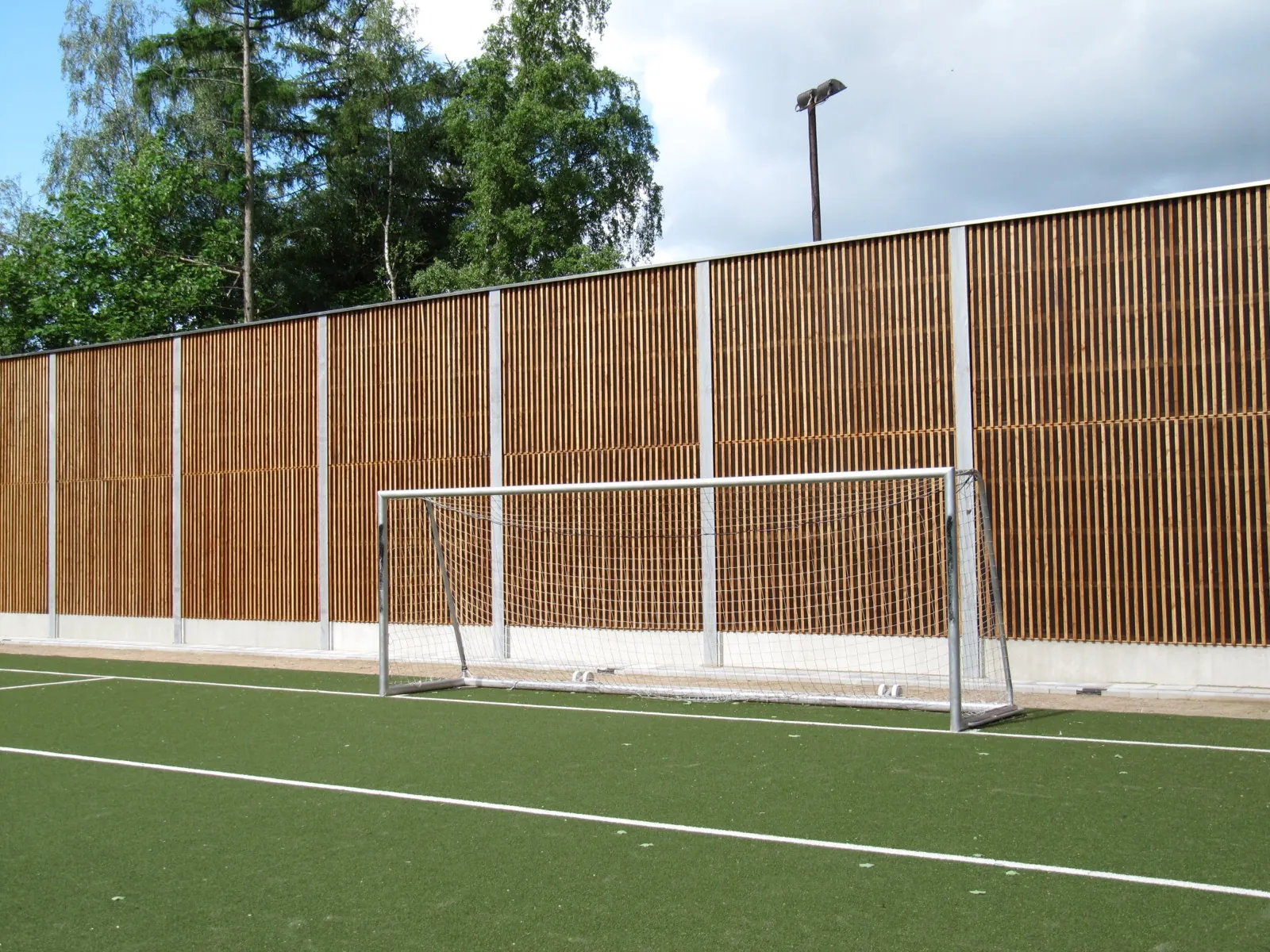
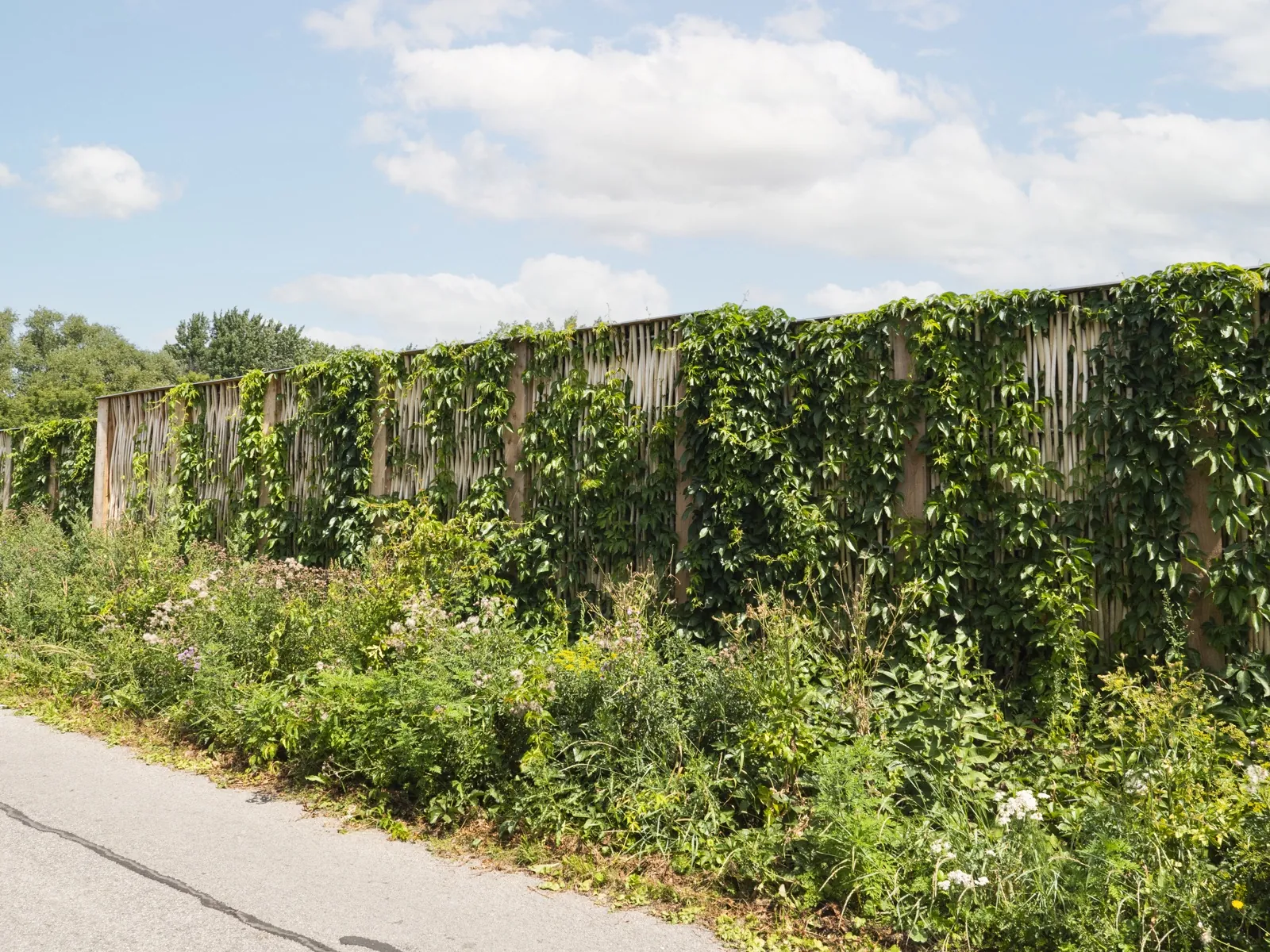

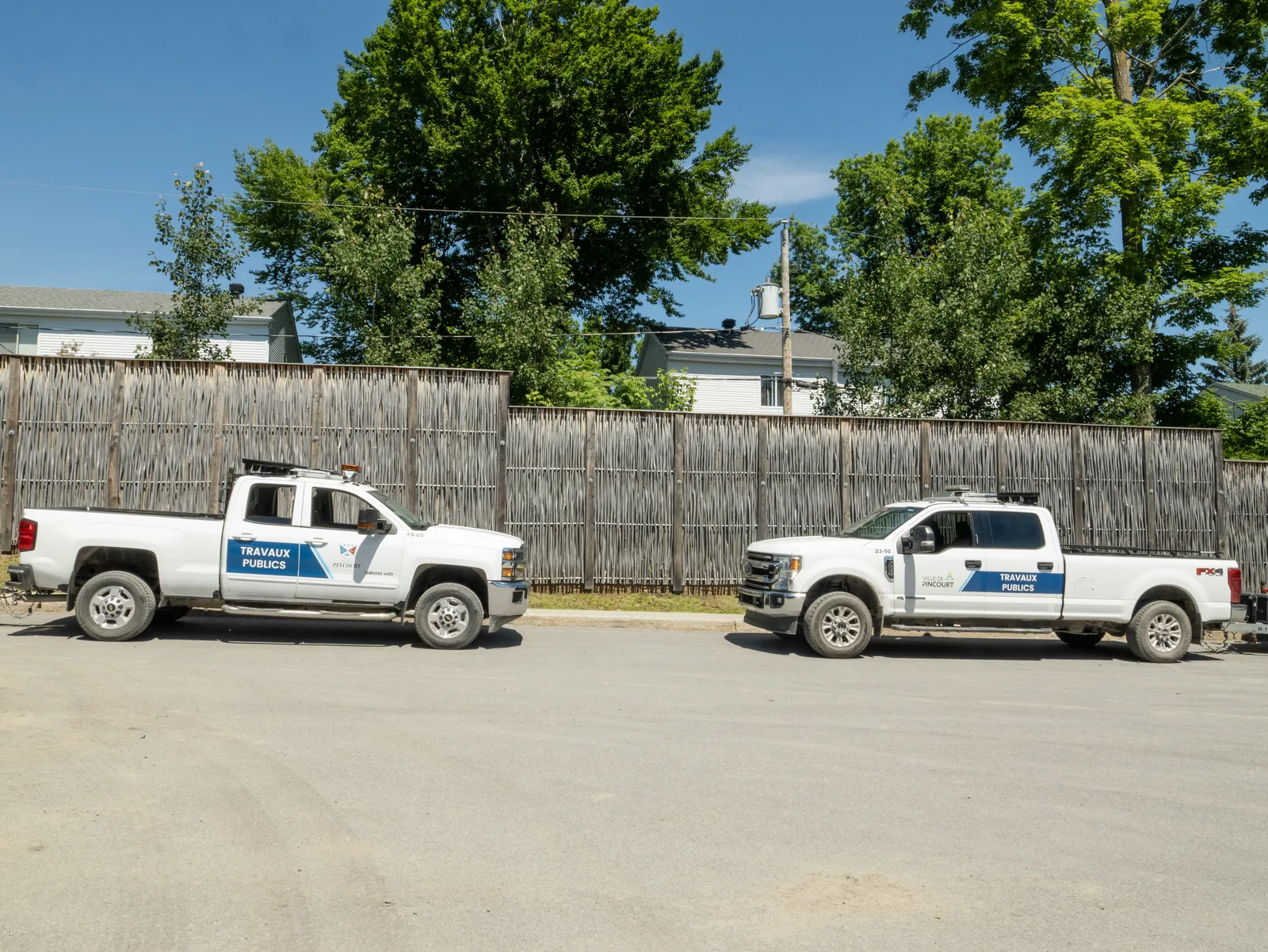


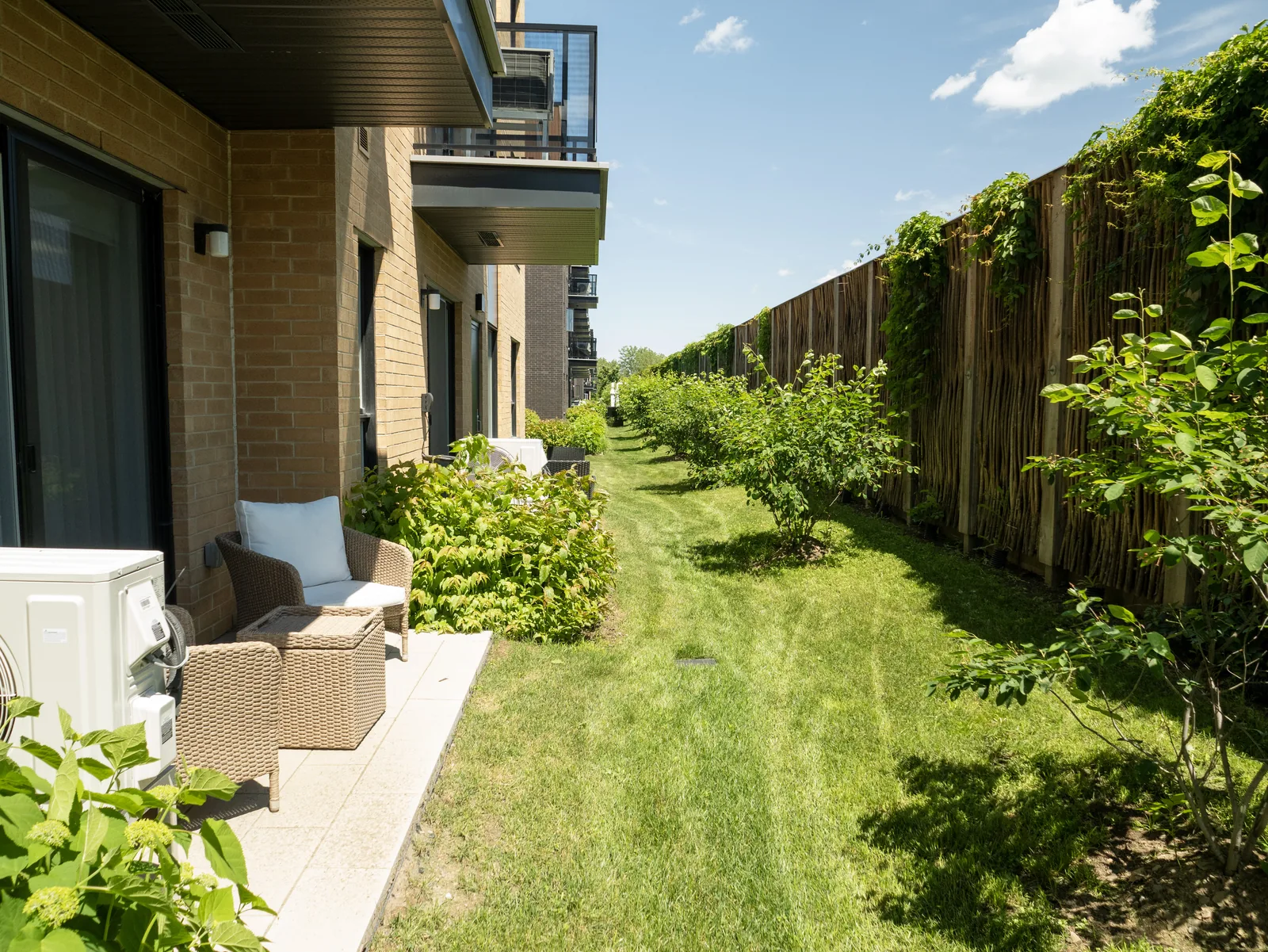

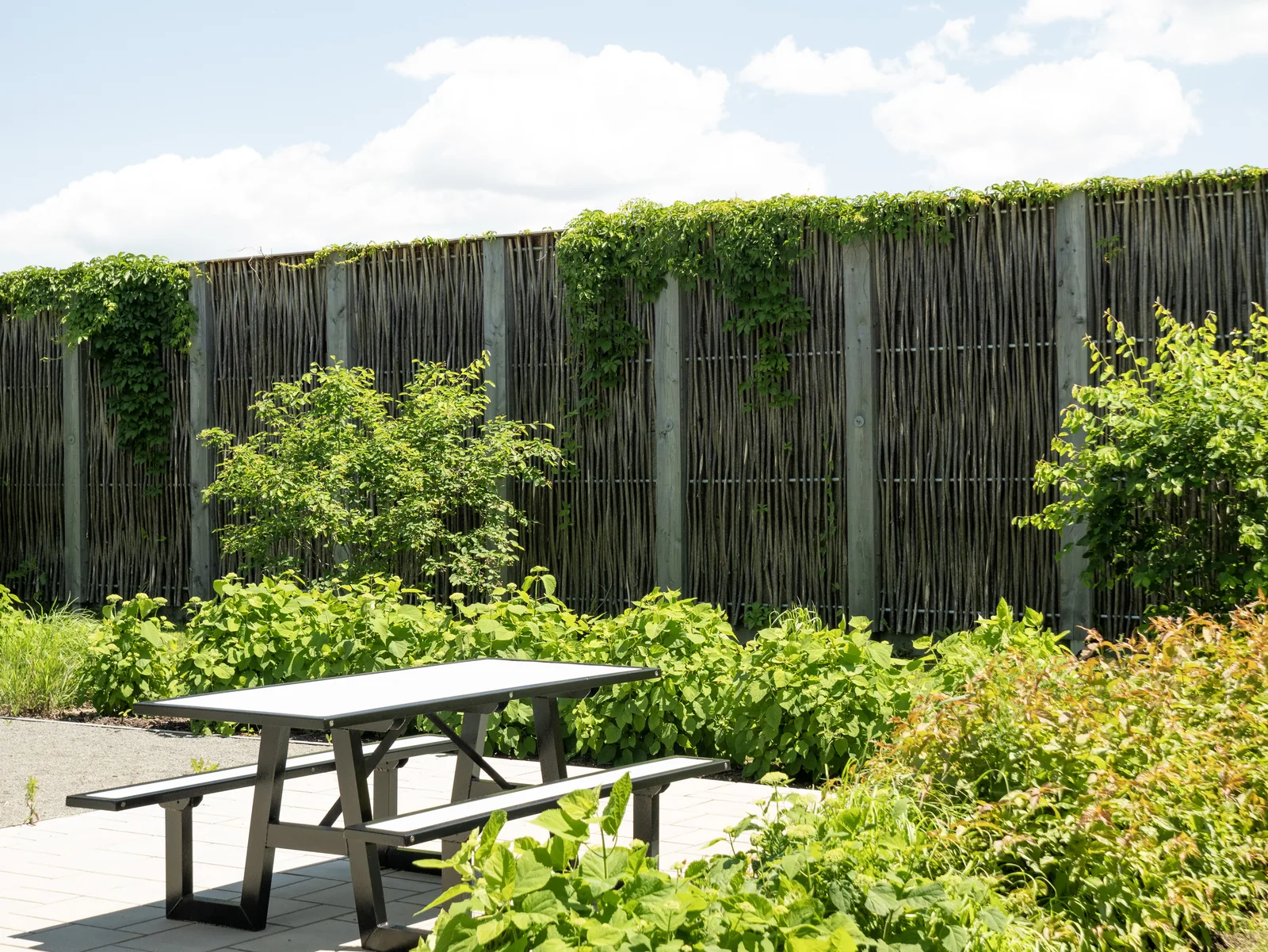



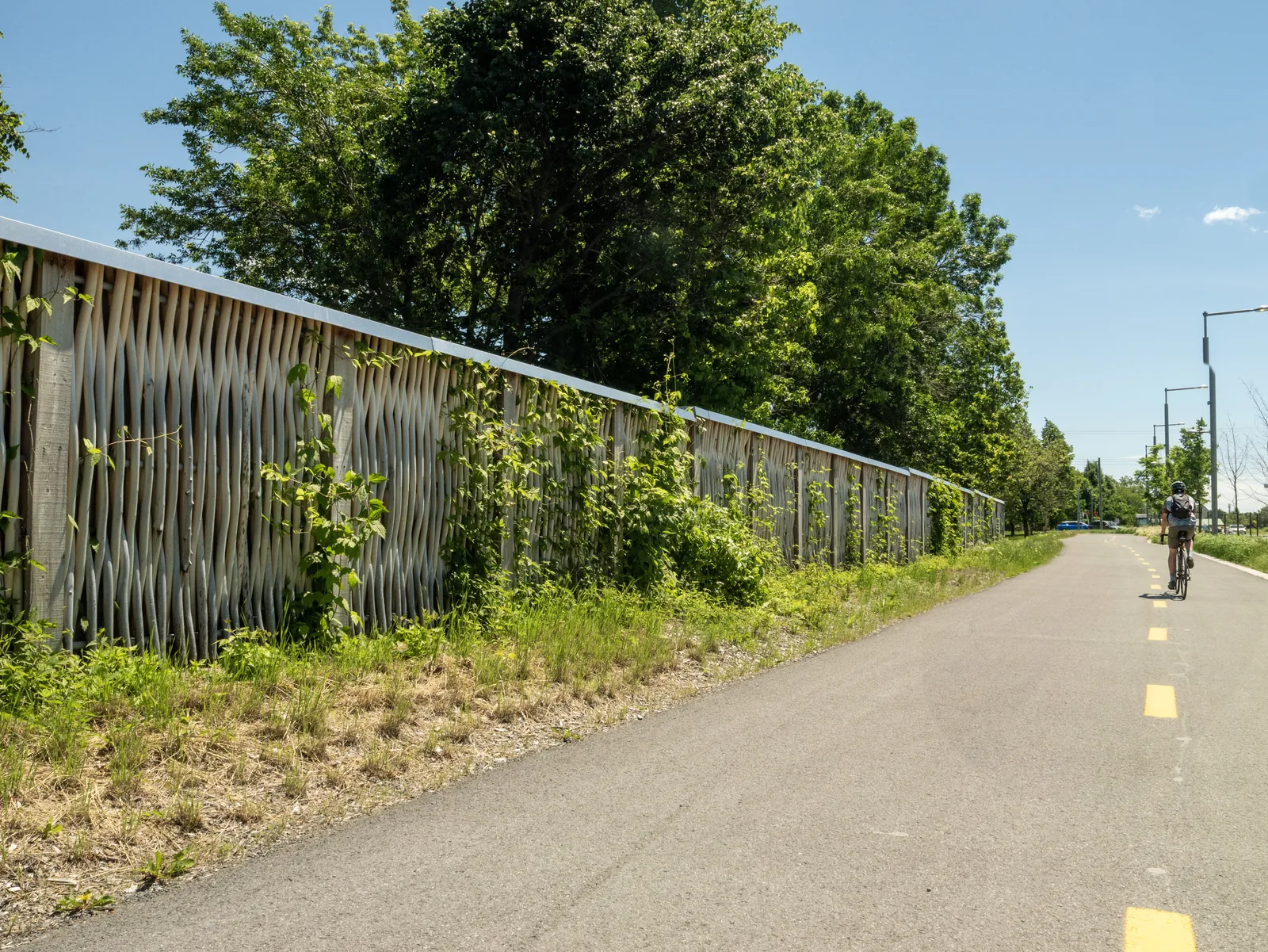




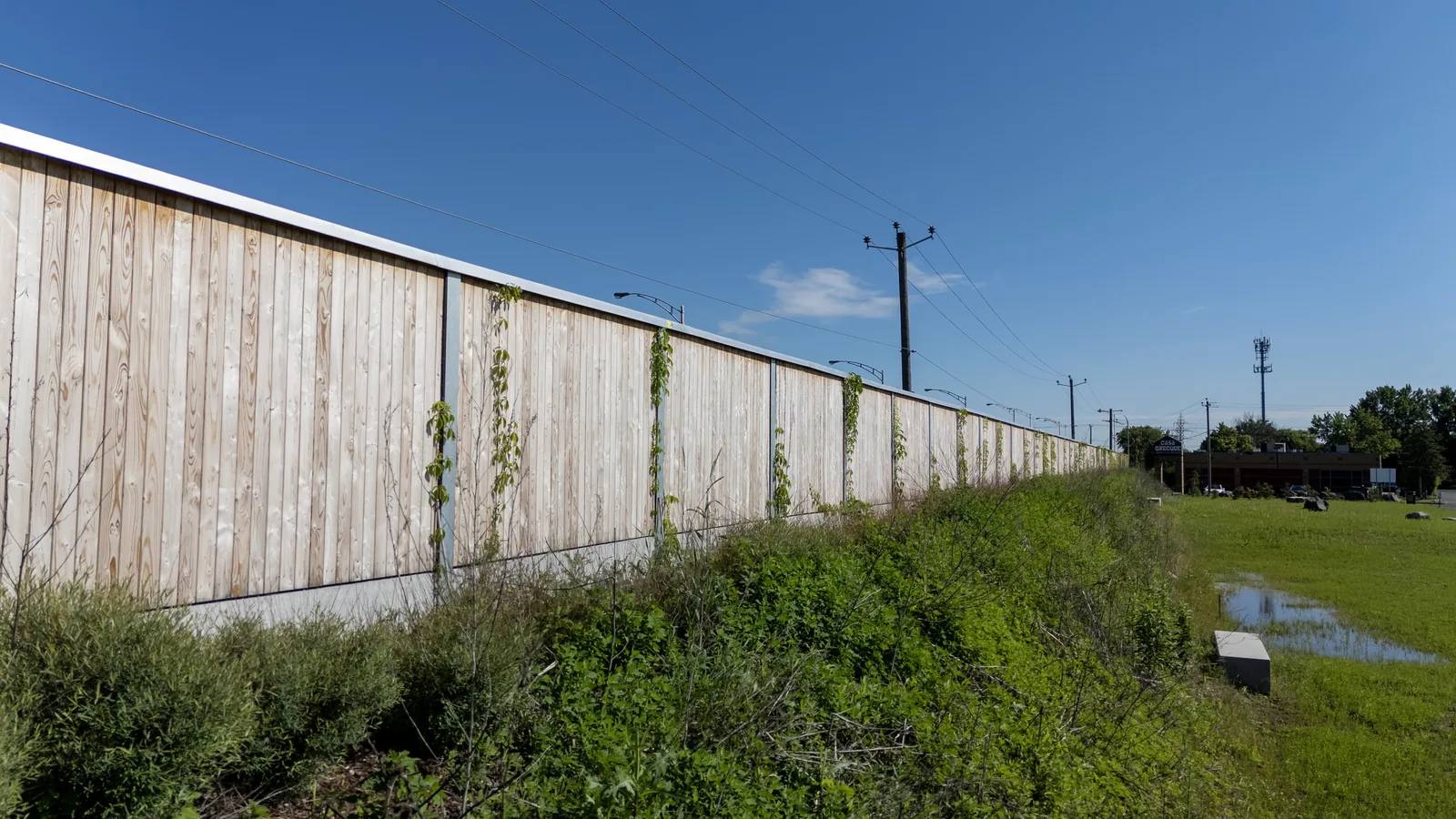
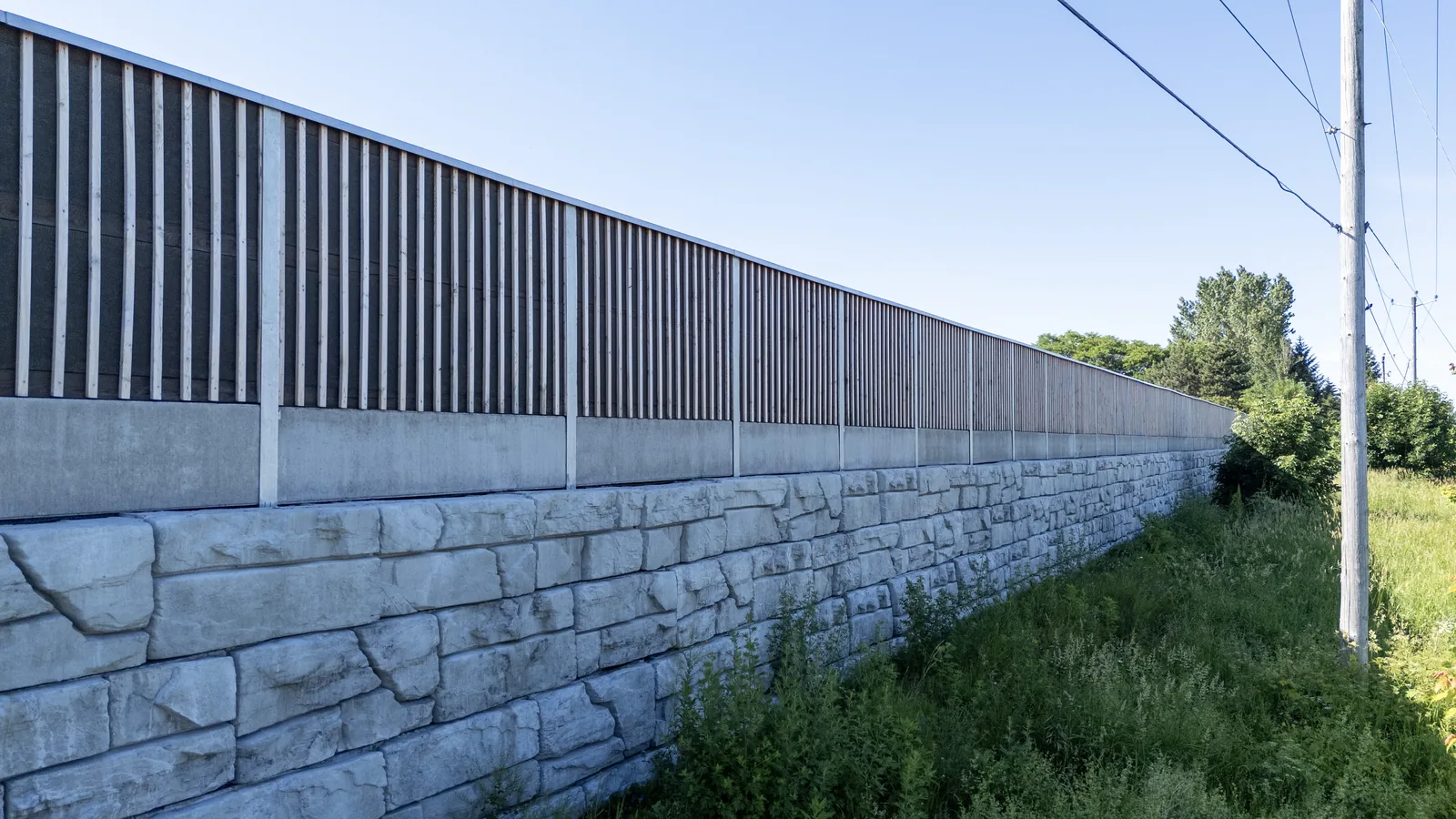

Case studies (Noise barriers).
Projects delivered in Quebec (Pilebyg® and HF1 noise barriers in road, sports, and industrial settings).
Wooden noise barriers (FAQ).
Why are your noise barriers vegetated?
Revegetating facades provides several environmental benefits: stormwater management, thermal regulation through evapotranspiration, heat-island mitigation, and CO₂ capture. Vegetated facades also support urban biodiversity by serving as ecological corridors, and they improve quality of life: contact with natural landscapes is associated with reduced stress, blood pressure, and muscle tension. Finally, climbing plants extend the lifespan of the infrastructure by protecting it from rain and UV.
Are Ramo noise barriers environmentally responsible?
Yes. Our products are designed to limit their ecological footprint. The materials used are durable, natural, recyclable, maintenance-free, and mostly sourced locally. The wood used has captured and stored a significant amount of carbon, making the products low-carbon. Ramo applies best-practice design principles to achieve lifespans comparable to, and in some cases better than, traditional materials.
Are your walls effective at reducing noise?
Our products have been tested and certified compliant with ASTM E90, E413, and C423. They meet the highest industry standards as well as the standards of Quebec's Ministry of Transportation and Sustainable Mobility (MTMD). Based on an acoustic study, we design the wall to meet requirements for height, length, location, and characteristics such as surface density, Sound Transmission Class (STC) and Noise Reduction Coefficient (NRC). We work with all specialized acoustic firms.
Can the wall catch fire?
Based on our experience and that of our partners, no project has been exposed to a major fire. Although wood is combustible, the flame-spread index remains relatively low because of the materials used. Rock wool acts as a fire retardant and steel posts help limit spread.
Will the wood rot over time?
Wood has been used in construction and road infrastructure for centuries, including bridges, guardrails, and utility poles. With durable species and thoughtful integration, it offers a long service life. Because moisture is wood's main enemy, Ramo applies best practices:
• protective metal cap on top of the screen
• techniques that minimize contact between wood pieces
• design that limits moisture rising from the ground
• profiling and part arrangement that evacuate water
• galvanized-steel structural components
• climbing-plant integration to reduce UV and rain exposure.
What maintenance is required?
No maintenance is required. All materials used are maintenance-free.
Do your products resist wind?
Our products are designed to resist wind loads according to applicable standards and codes, including the National Building Code and the Canadian Highway Bridge Design Code CSA S6. We provide shop drawings signed and sealed by an engineer in good standing with a professional order.
Do your products withstand winter conditions?
Yes. Our products are designed to withstand the rigorous winter conditions of Quebec and North America, and wood offers strong resistance to salt exposure. Site layout and elevation require attention: panels are not designed to withstand direct snowplow discharge. Proper elevation on a concrete base allows screens to be installed along highways. Our products also have a long track record in Scandinavia, where climates are comparable.
What are the benefits of a Ramo noise barrier?
• The only noise barriers manufactured in Canada
• minimized carbon footprint
• compliance with MTMD standards
• acoustic performance compliant with ASTM E90, E413, and C423
• durable and maintenance-free
• low receptivity to graffiti
• natural and recyclable materials
• greening and heat-island mitigation.
Need advice?
Our team helps you choose the technology best suited to your context, acoustic constraints, and budget.