
Noise barrier in woven willow.
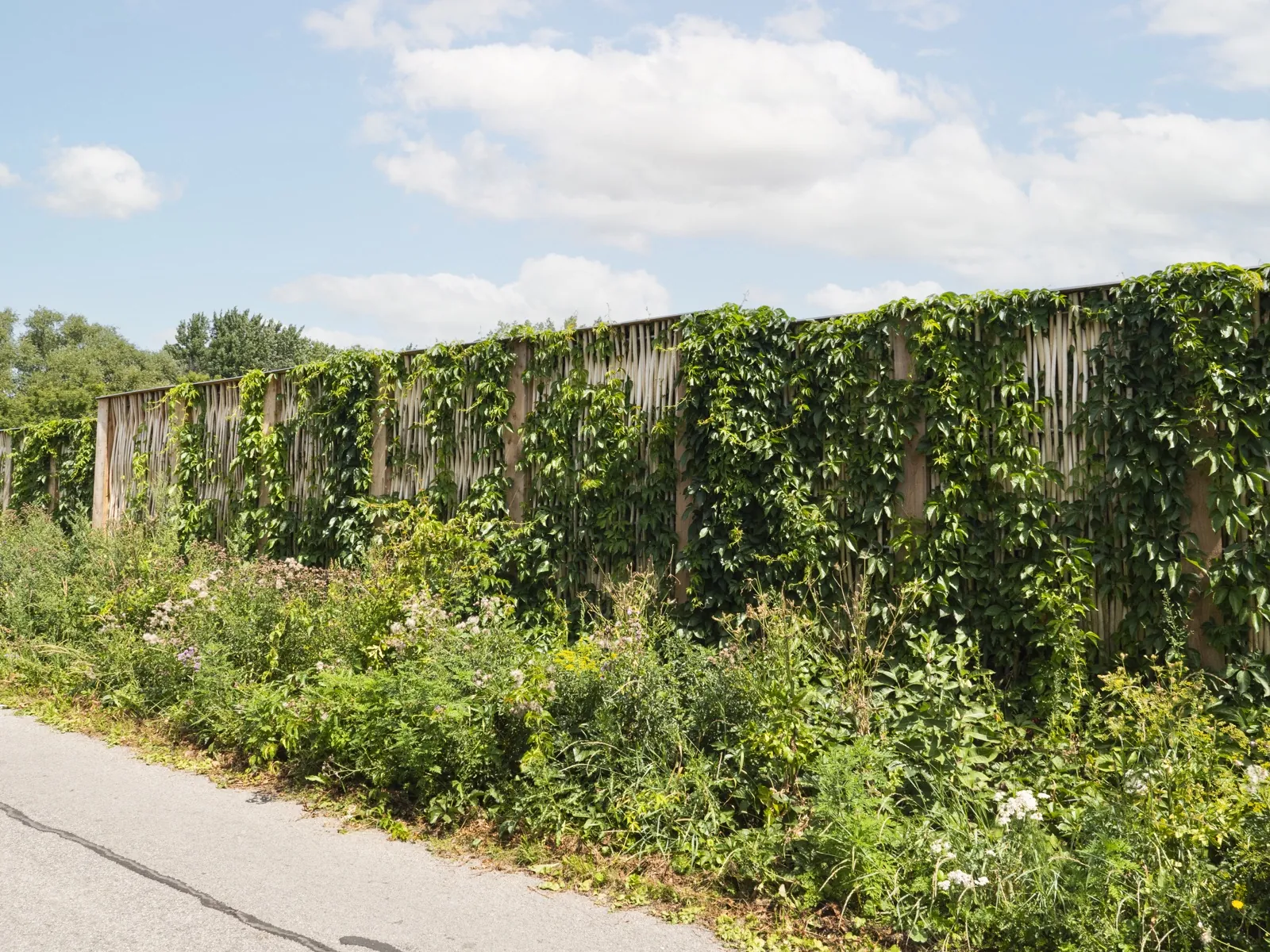
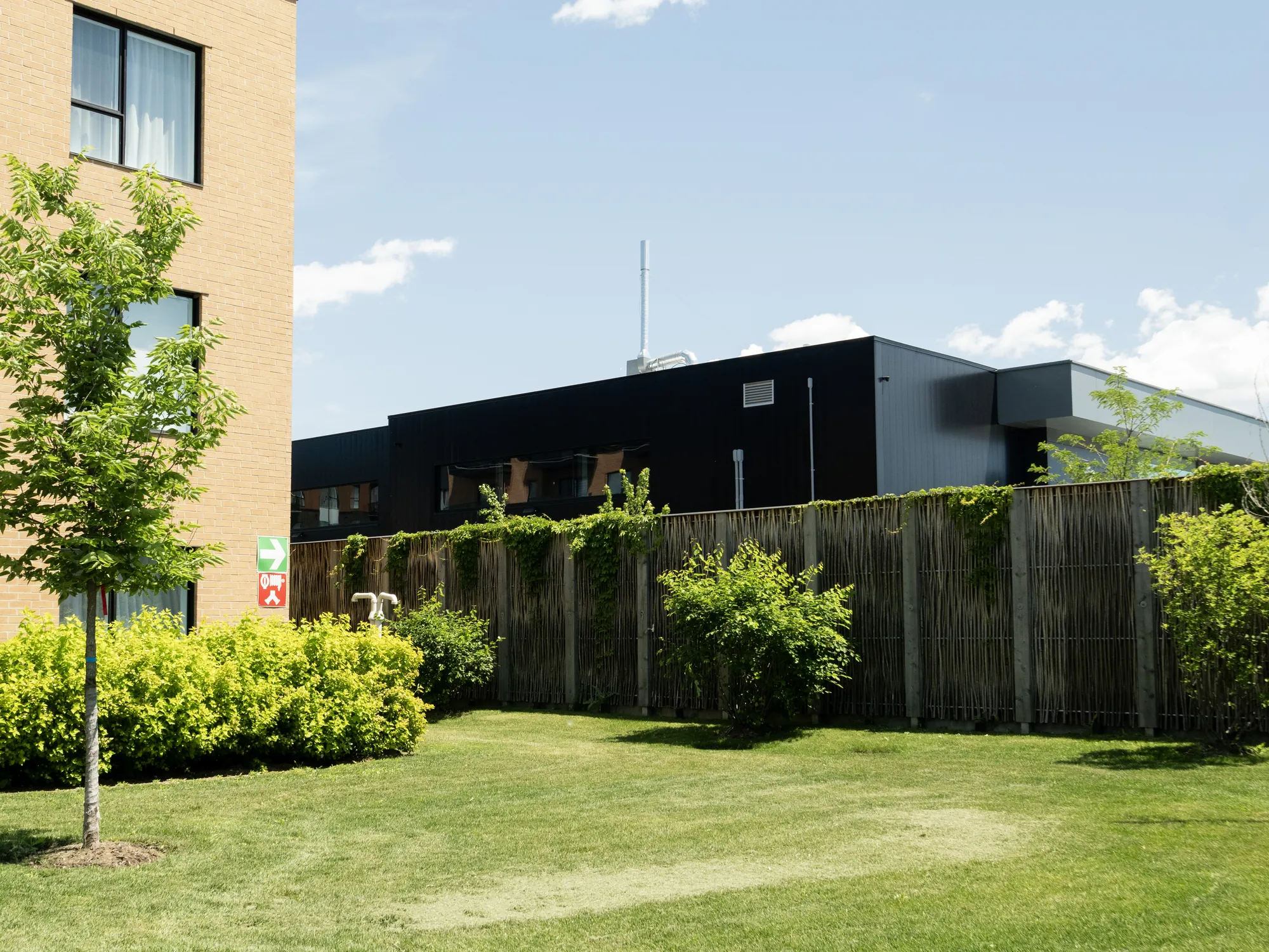
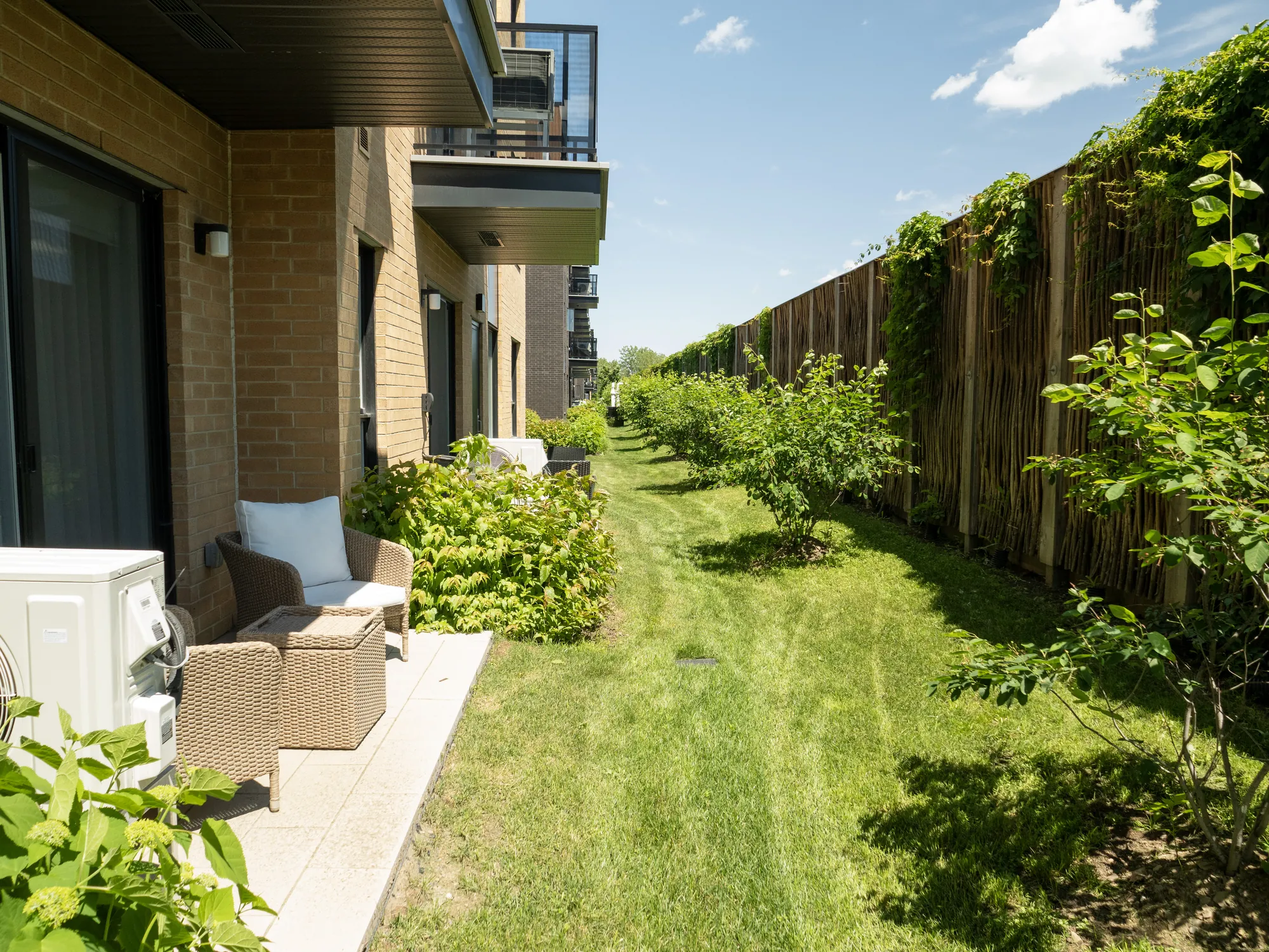
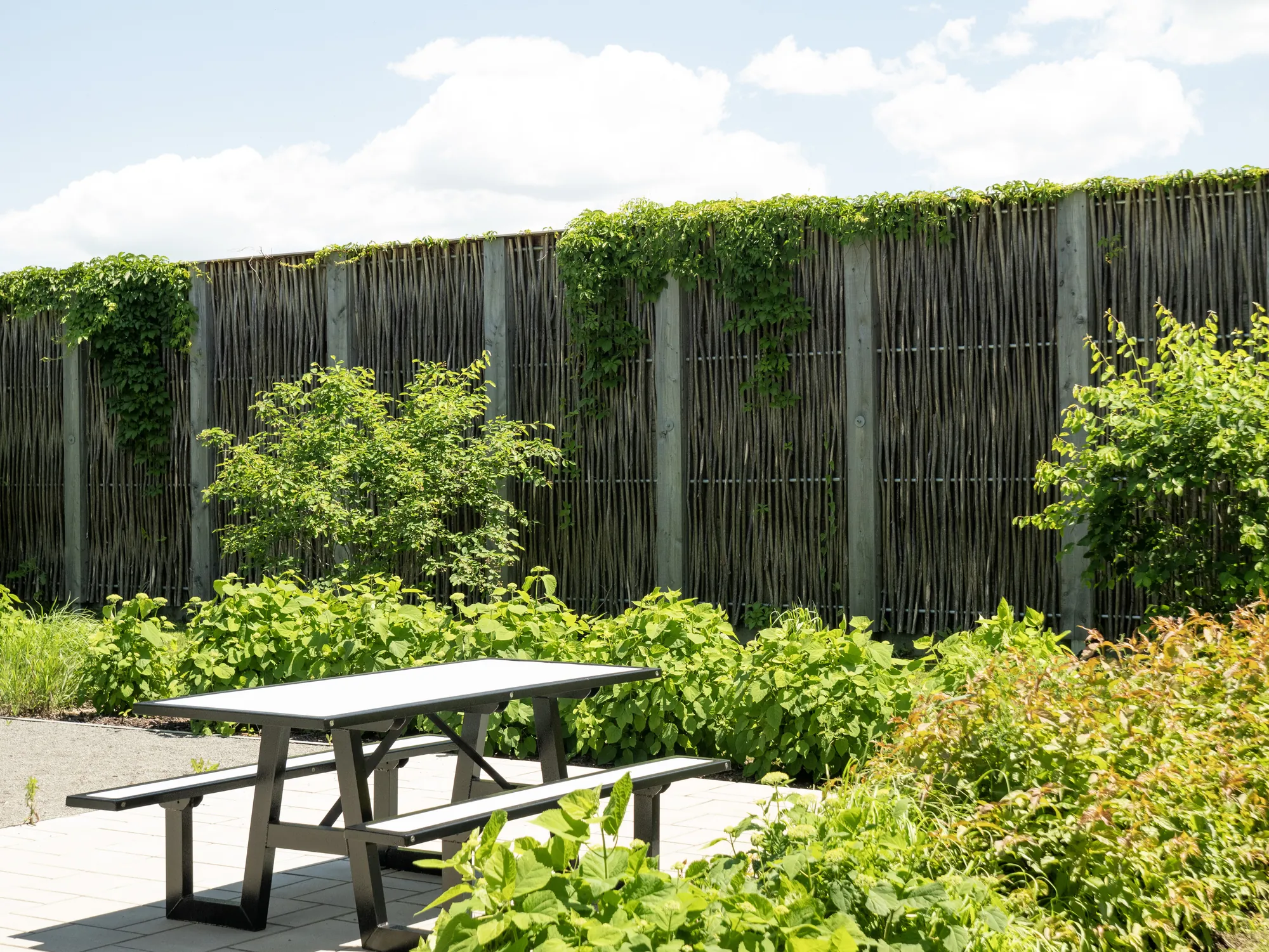
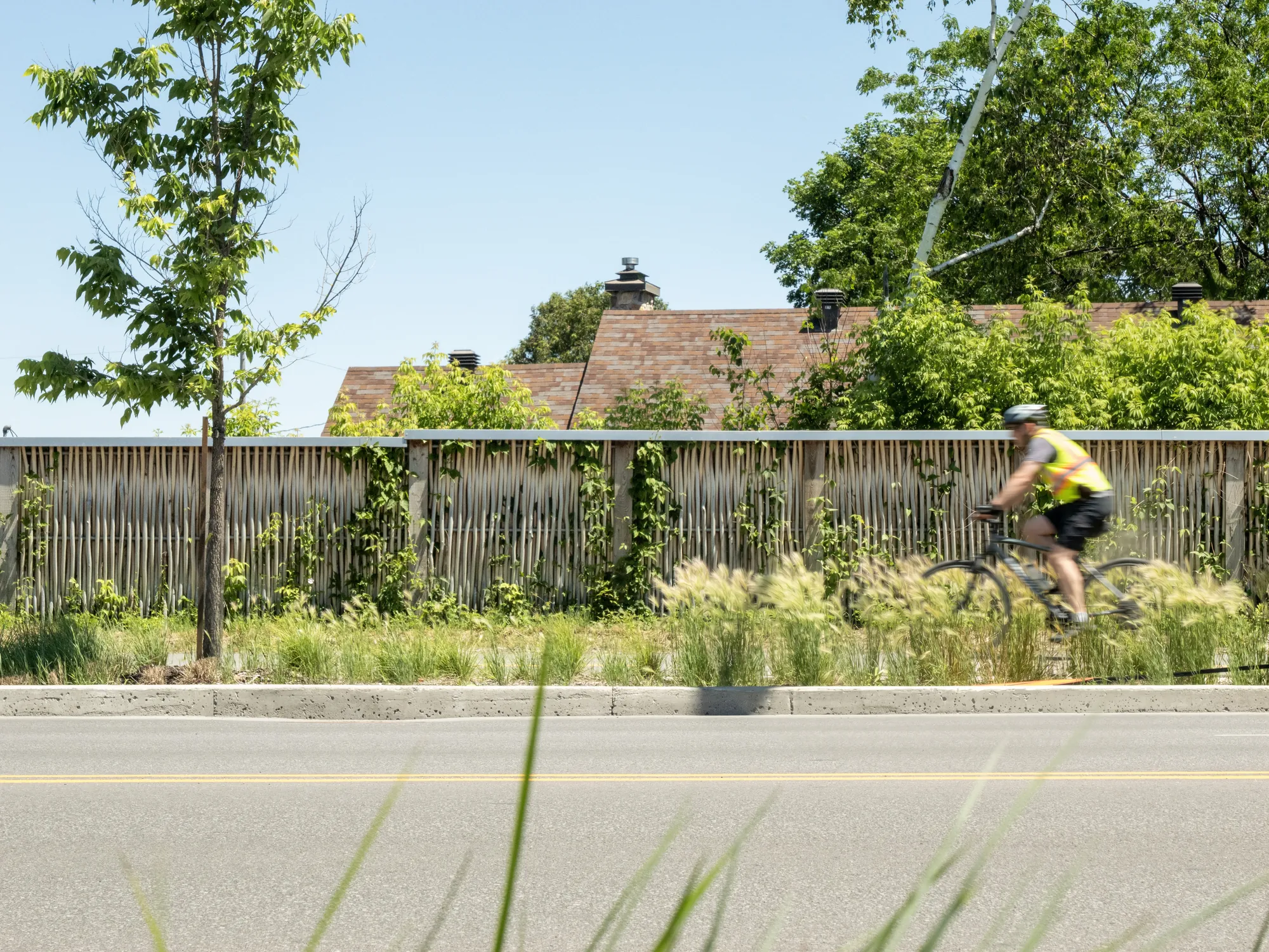
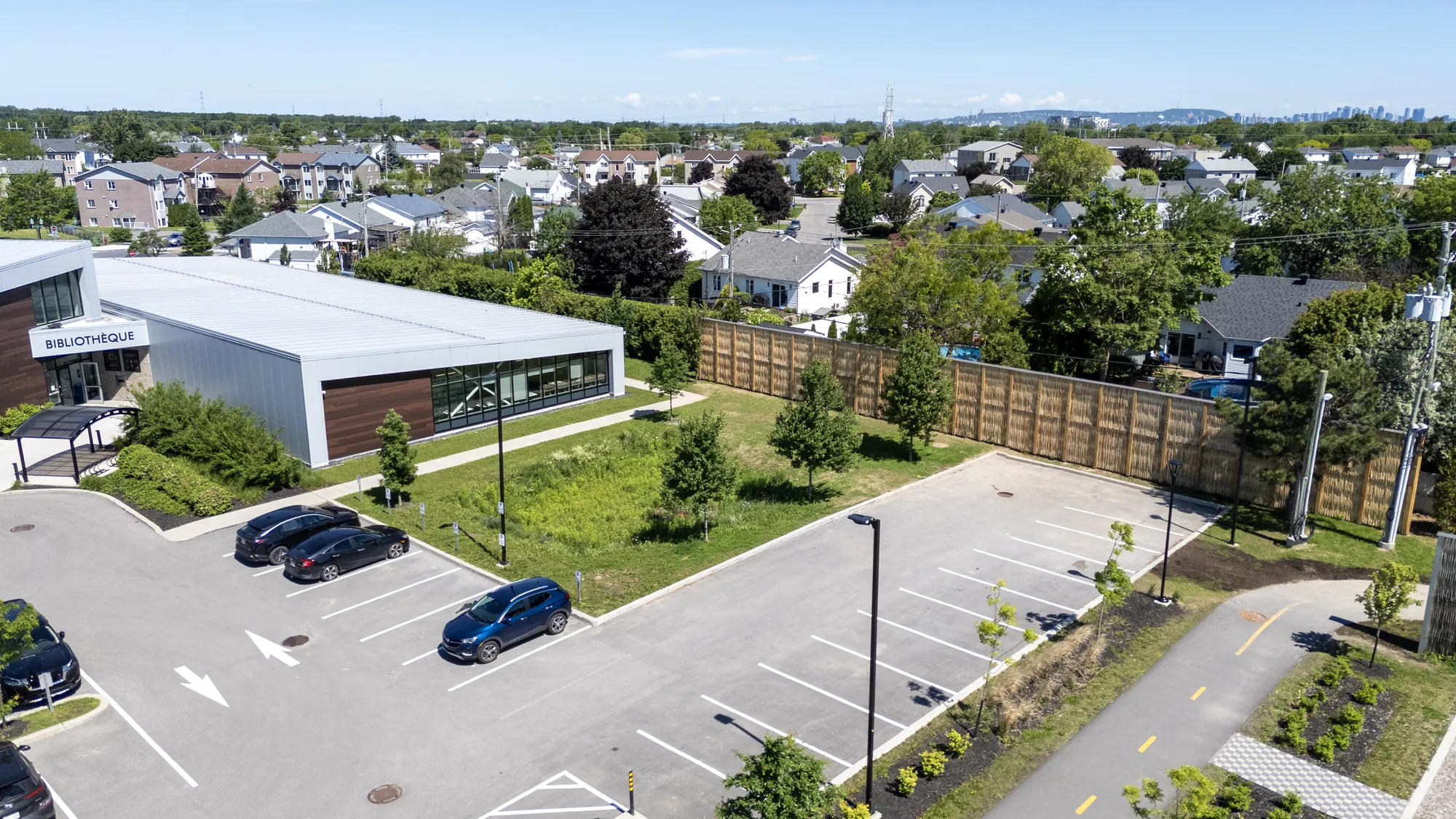
The Pilebyg® woven willow noise barrier gains density and vegetation over time. Designed for dense urban environments, parks, schools, and residential sectors.
The woven willow noise barrier.
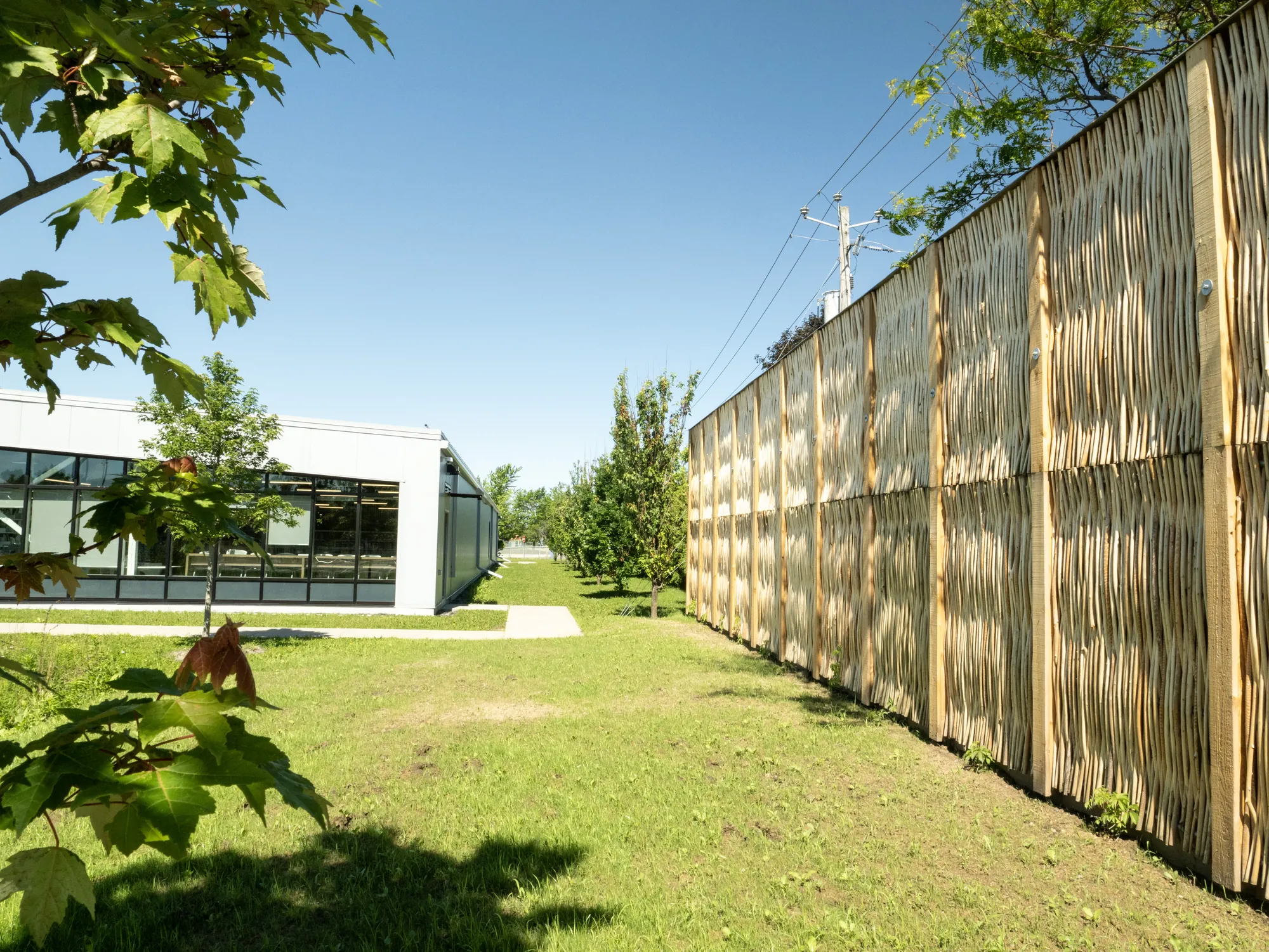
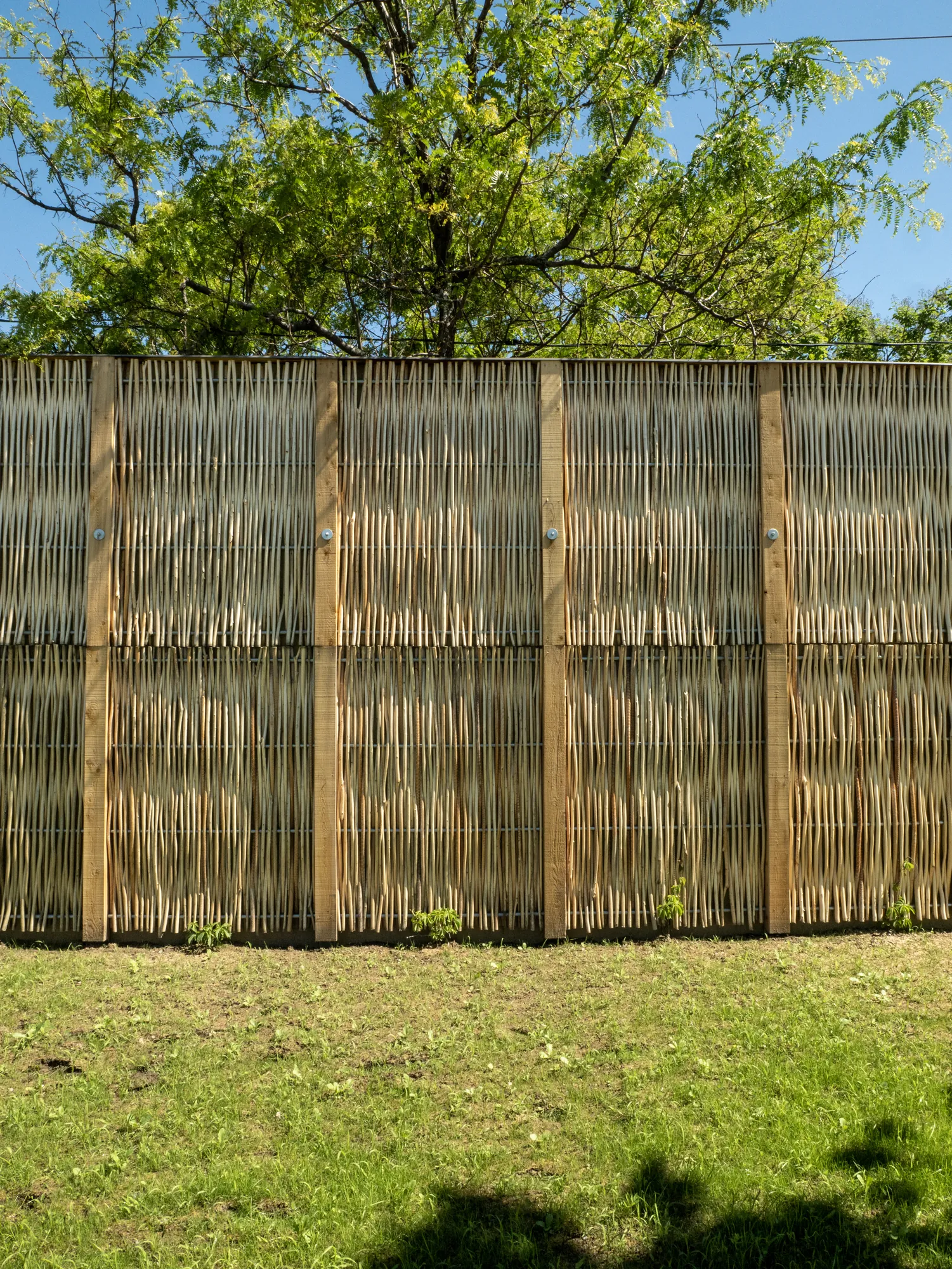
With its unique design, the Pilebyg® woven willow noise barrier combines acoustic performance with a low carbon footprint in a green, durable infrastructure. It is made of a woven willow facing and a rock-wool acoustic core that makes it absorptive on both sides.
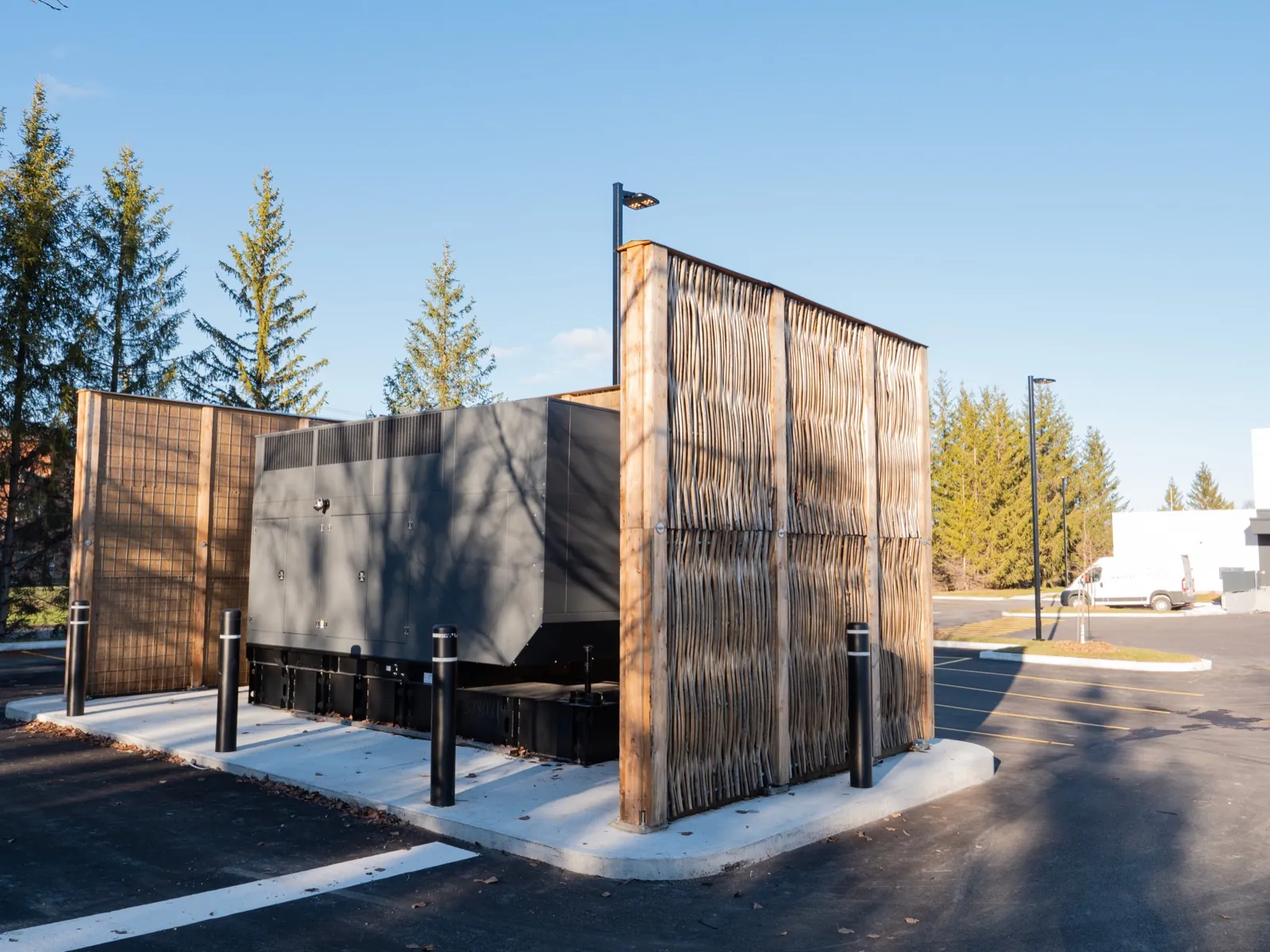
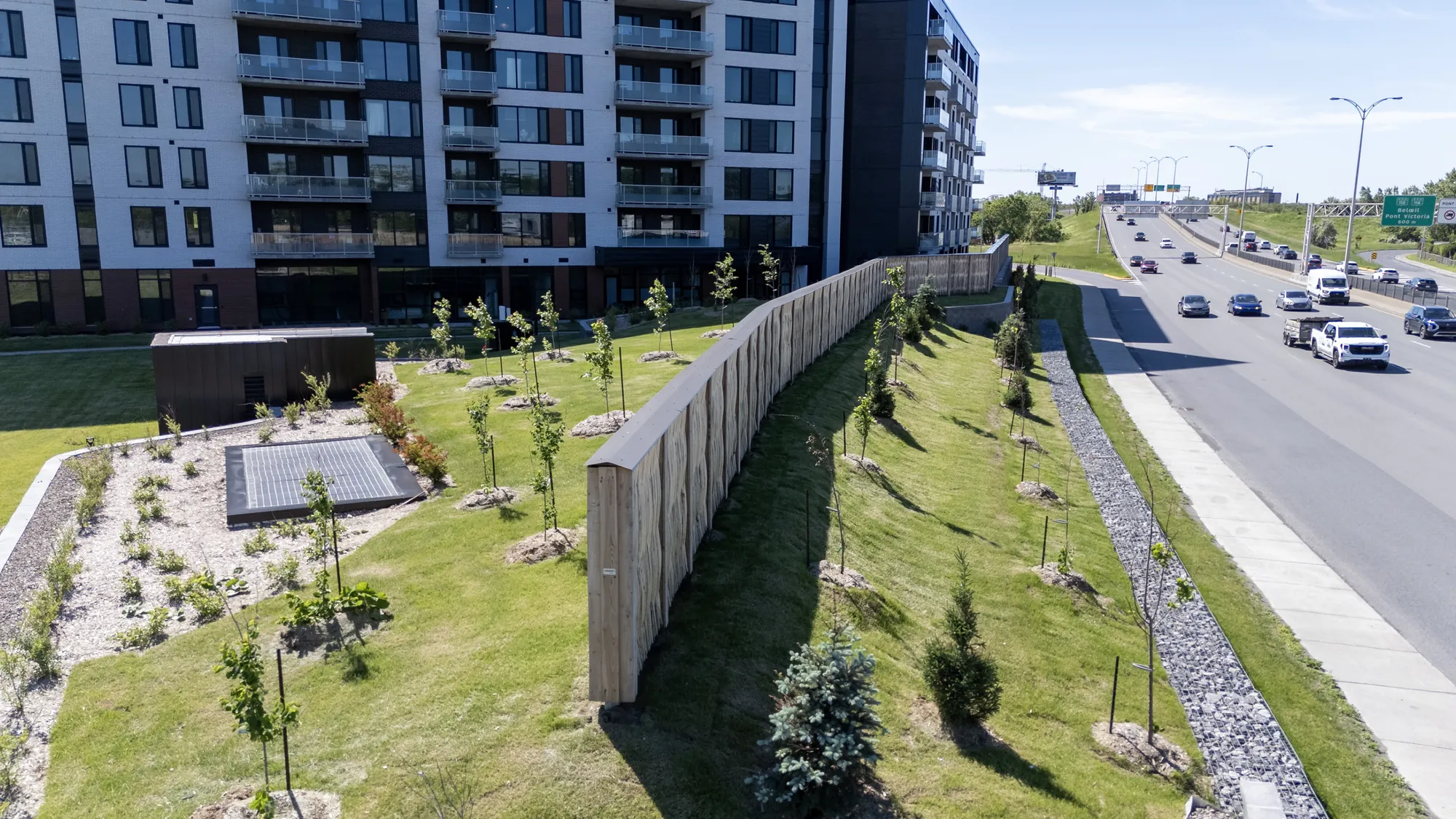
Prefabricated panels install easily between two H-posts. To extend service life, Pilebyg® is topped with a metal cap.
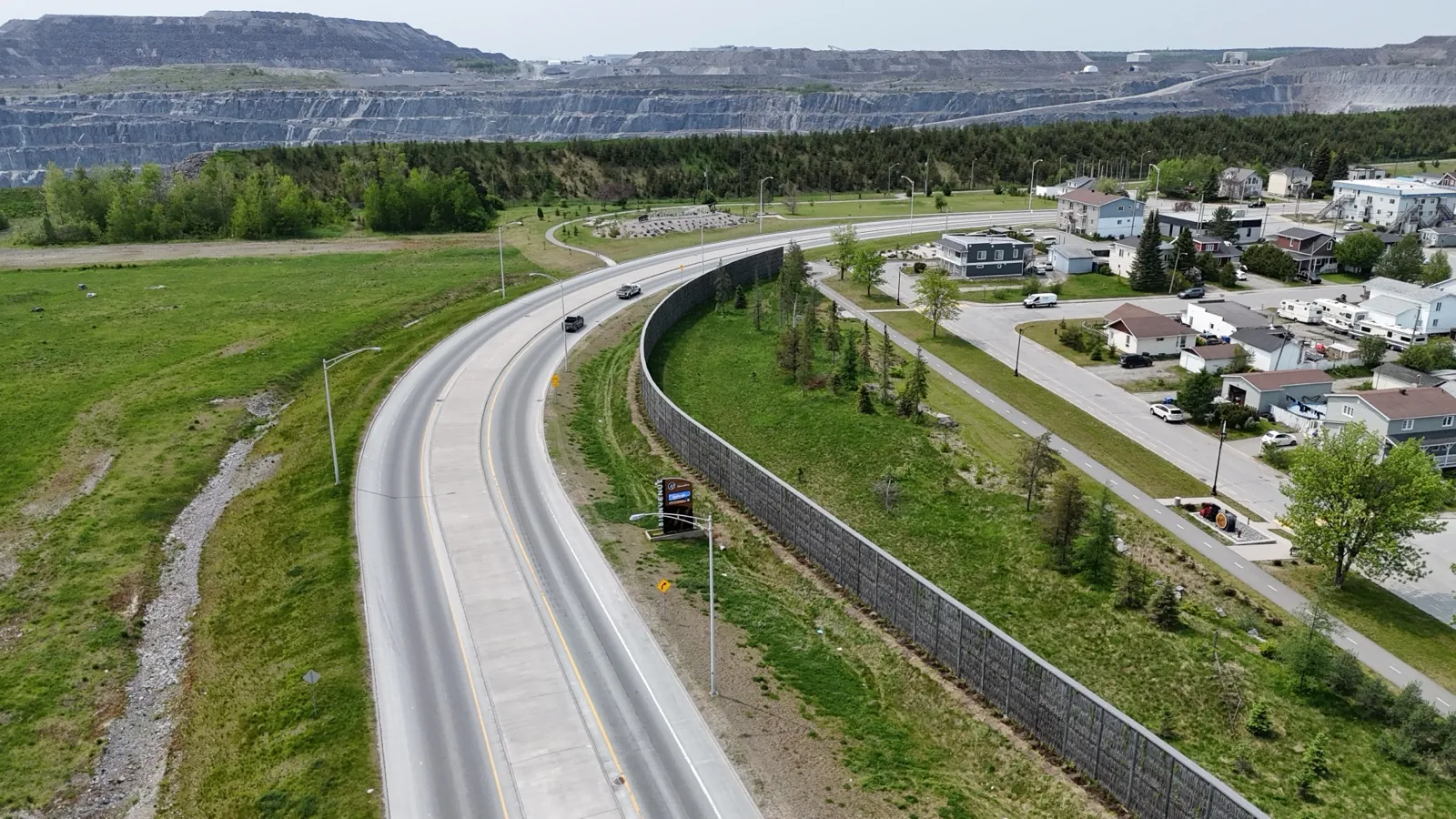
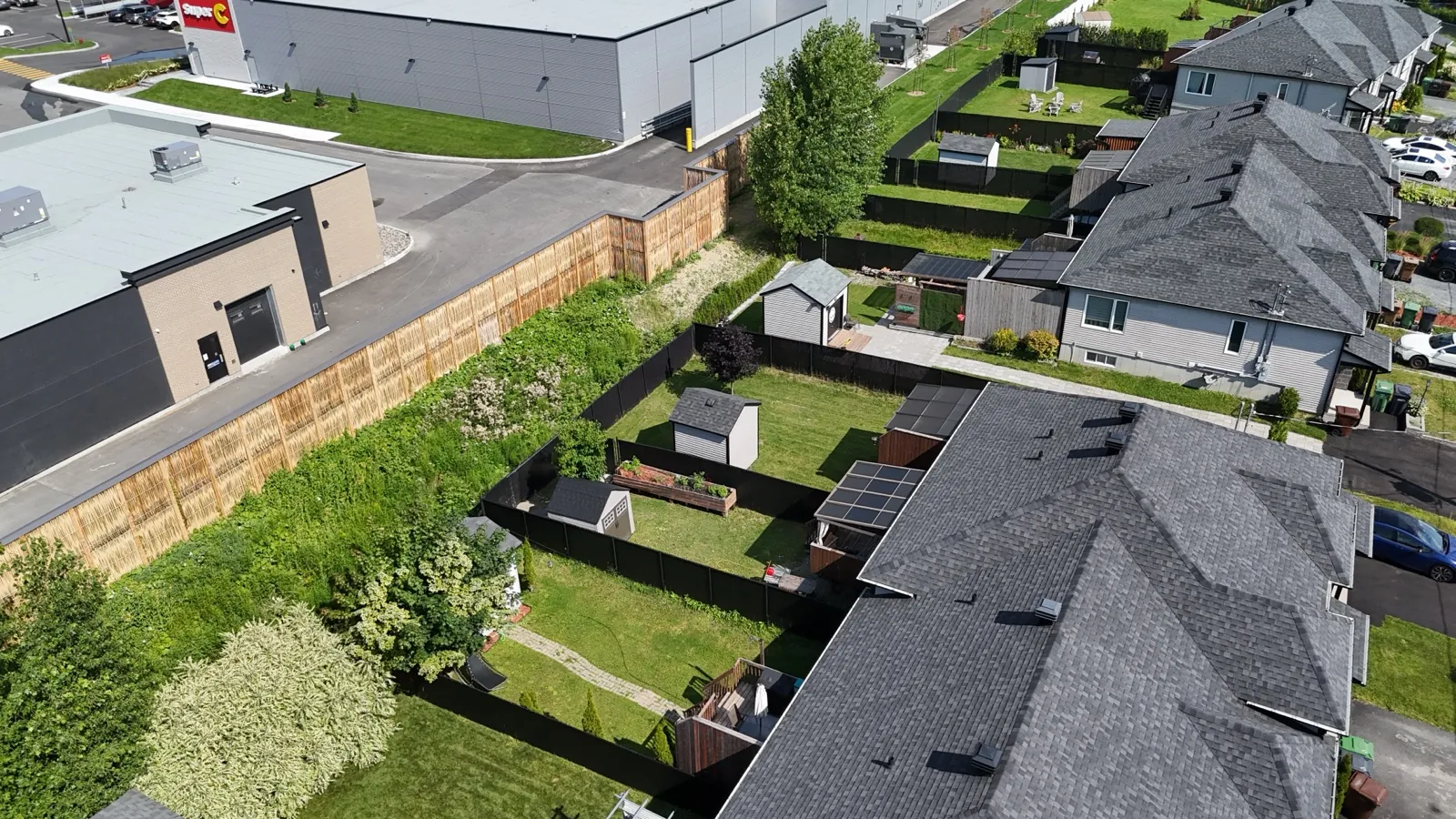
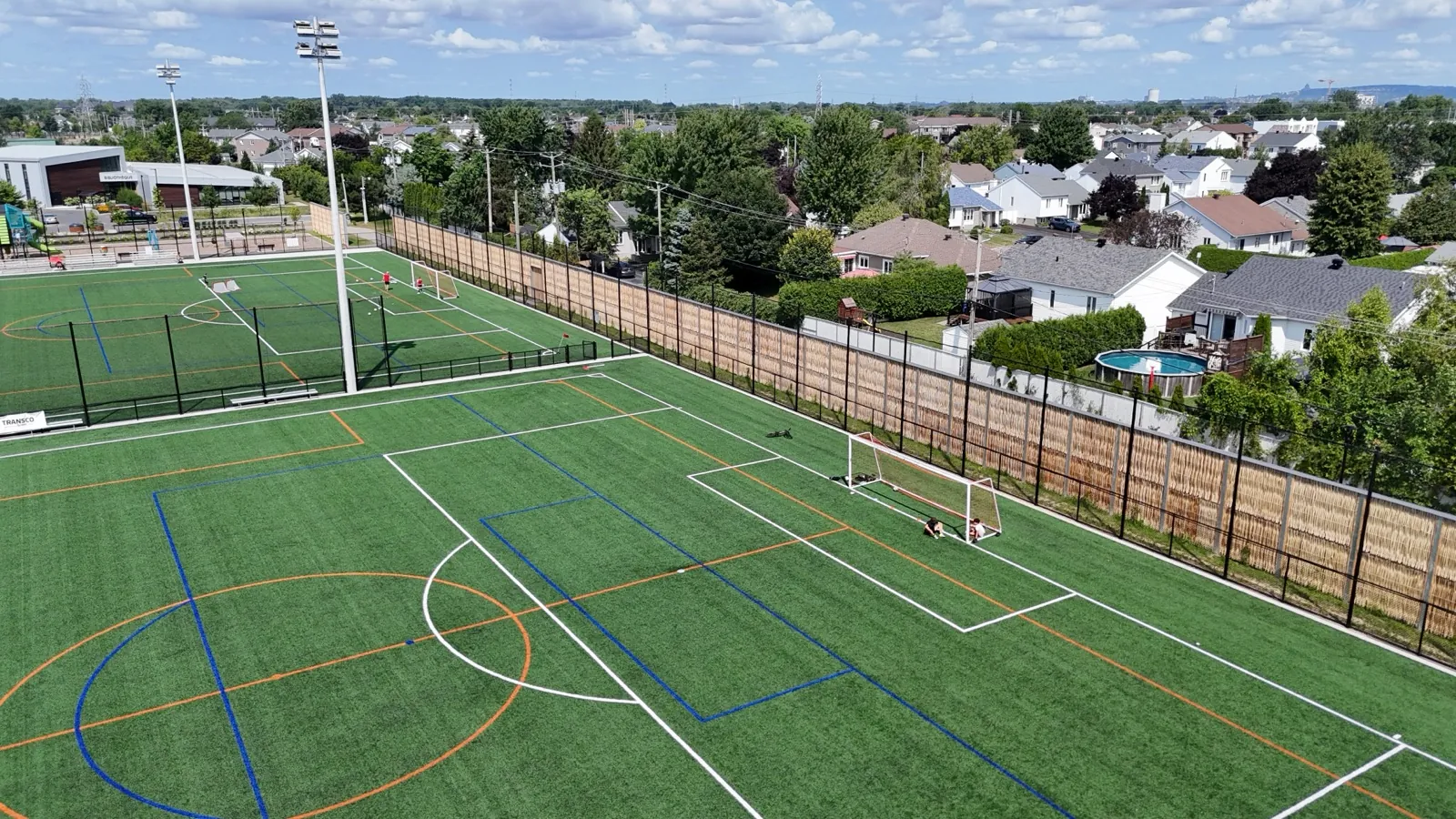
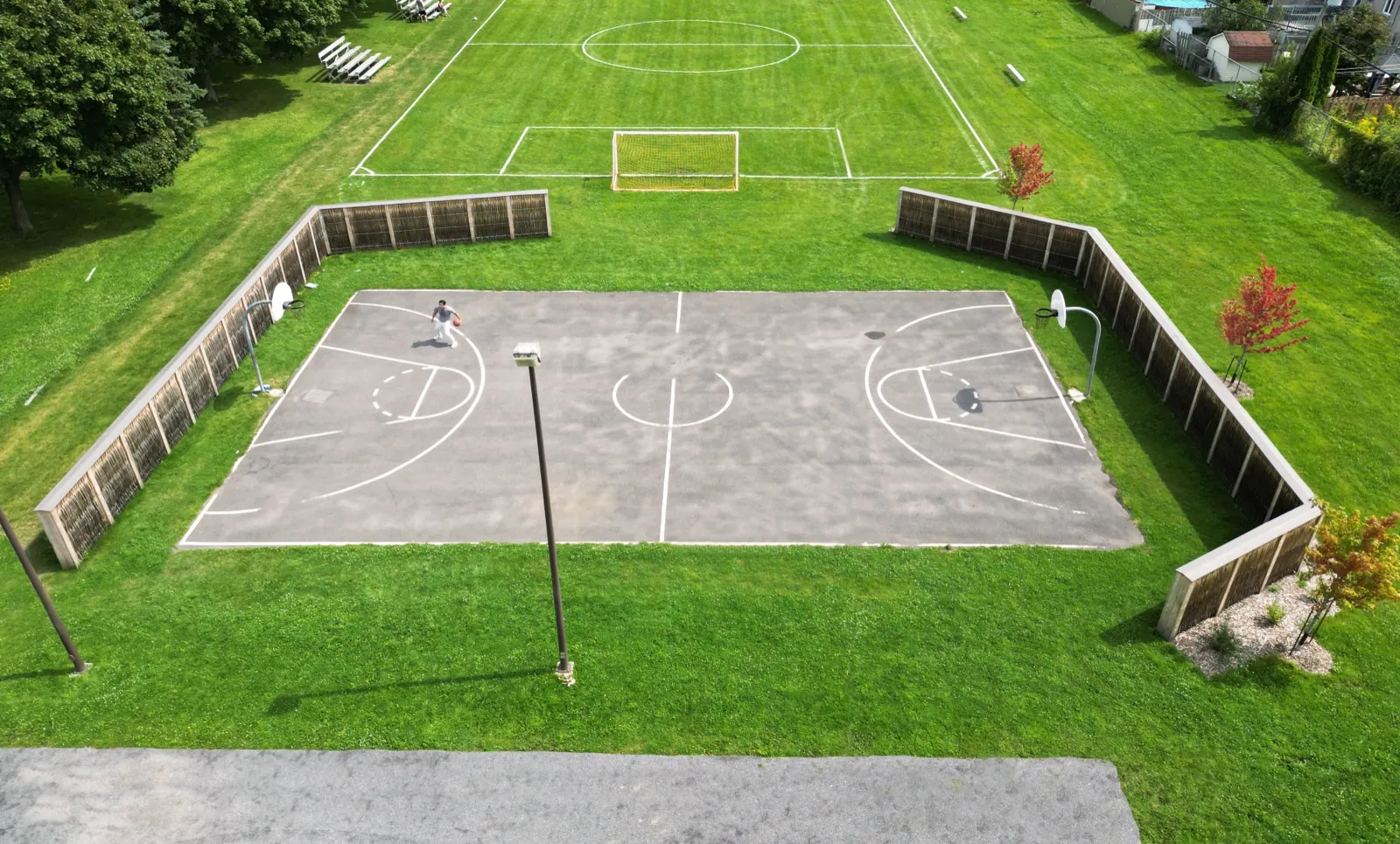
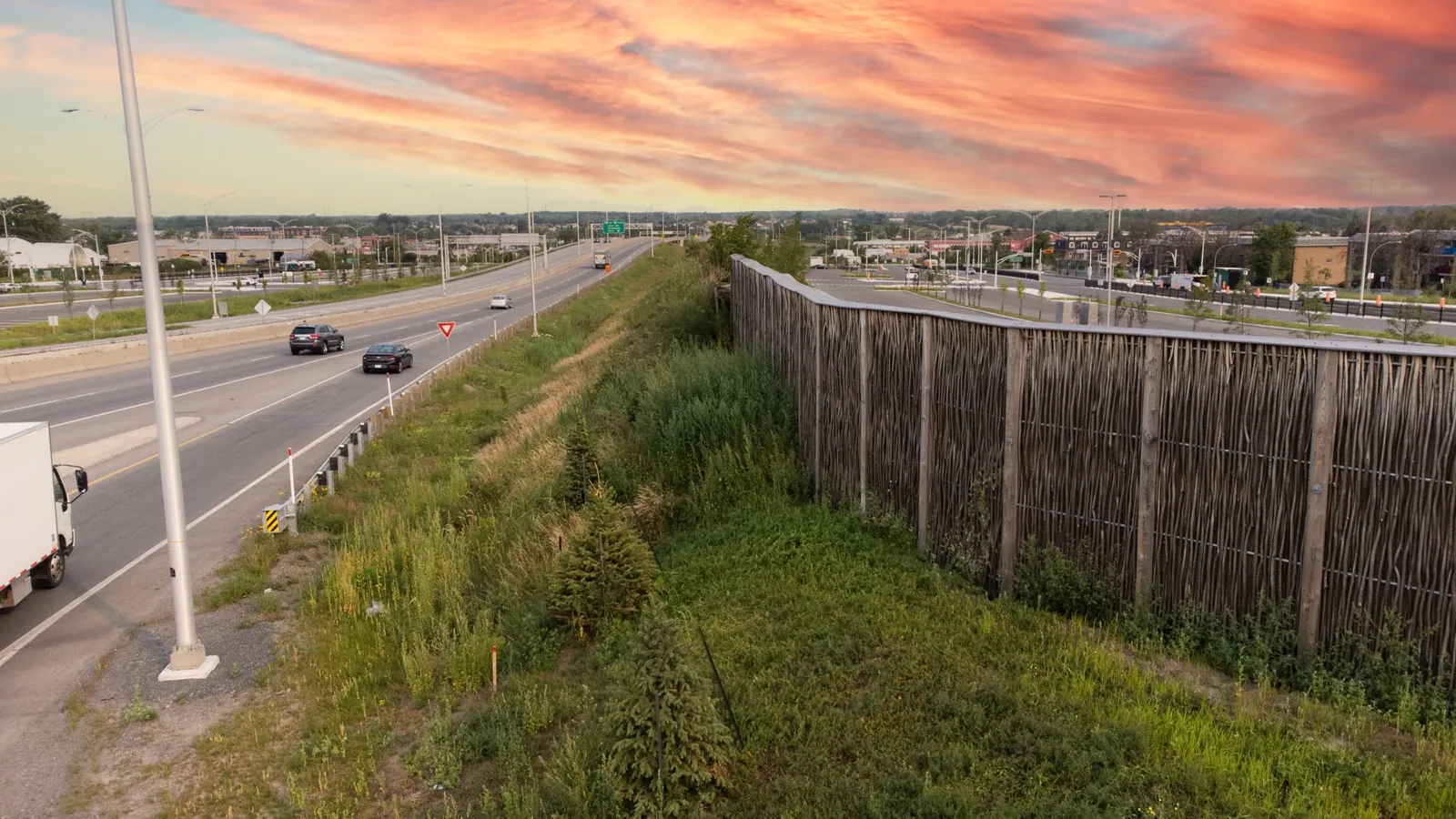
Less receptive to graffiti, Pilebyg® is well suited to contexts where social acceptance and landscape integration are priorities: residential areas, parks, urban crossings, and screens in front of schools or hospitals.
Explore Pilebyg®.
Click and drag to rotate the model
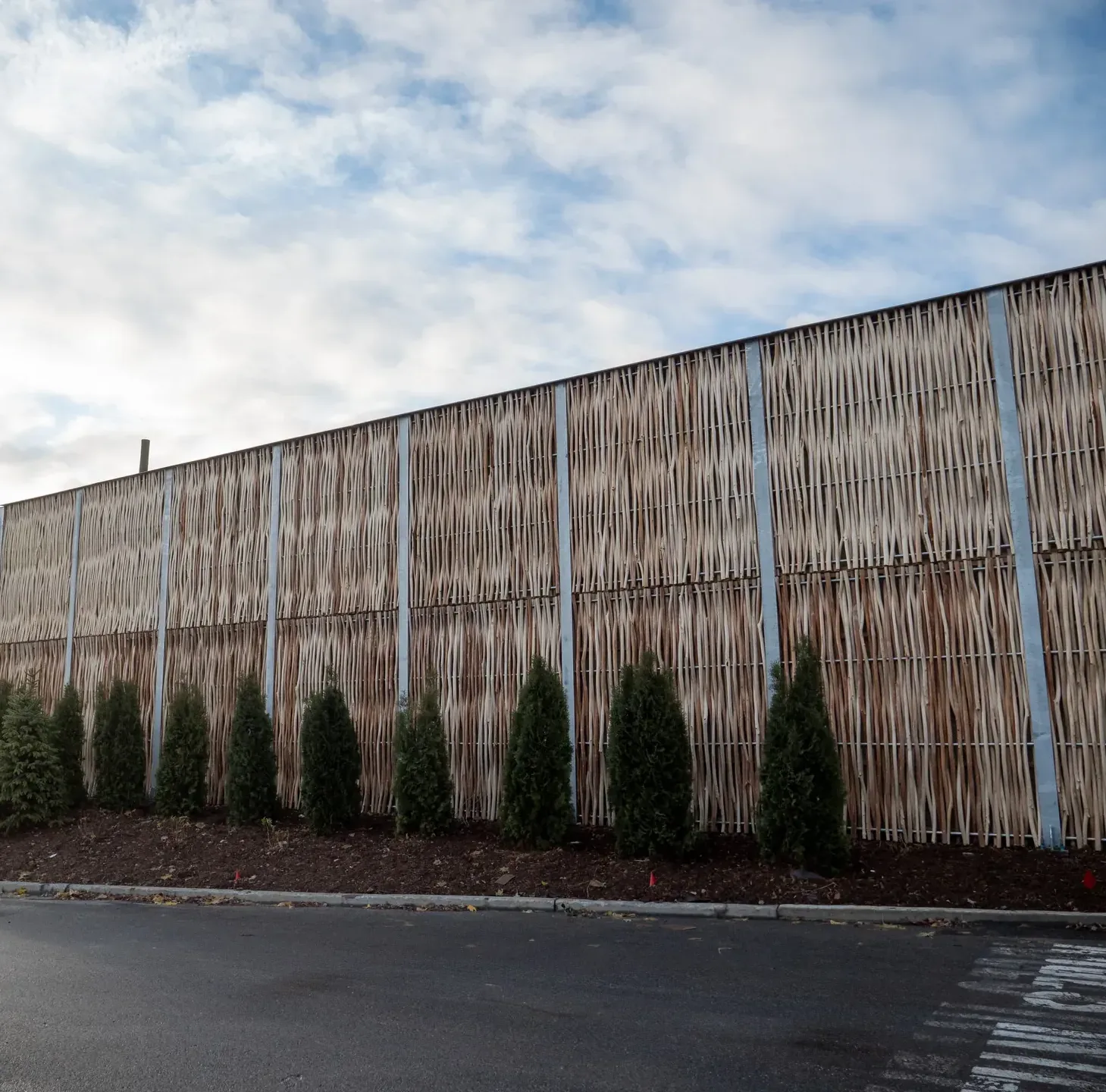
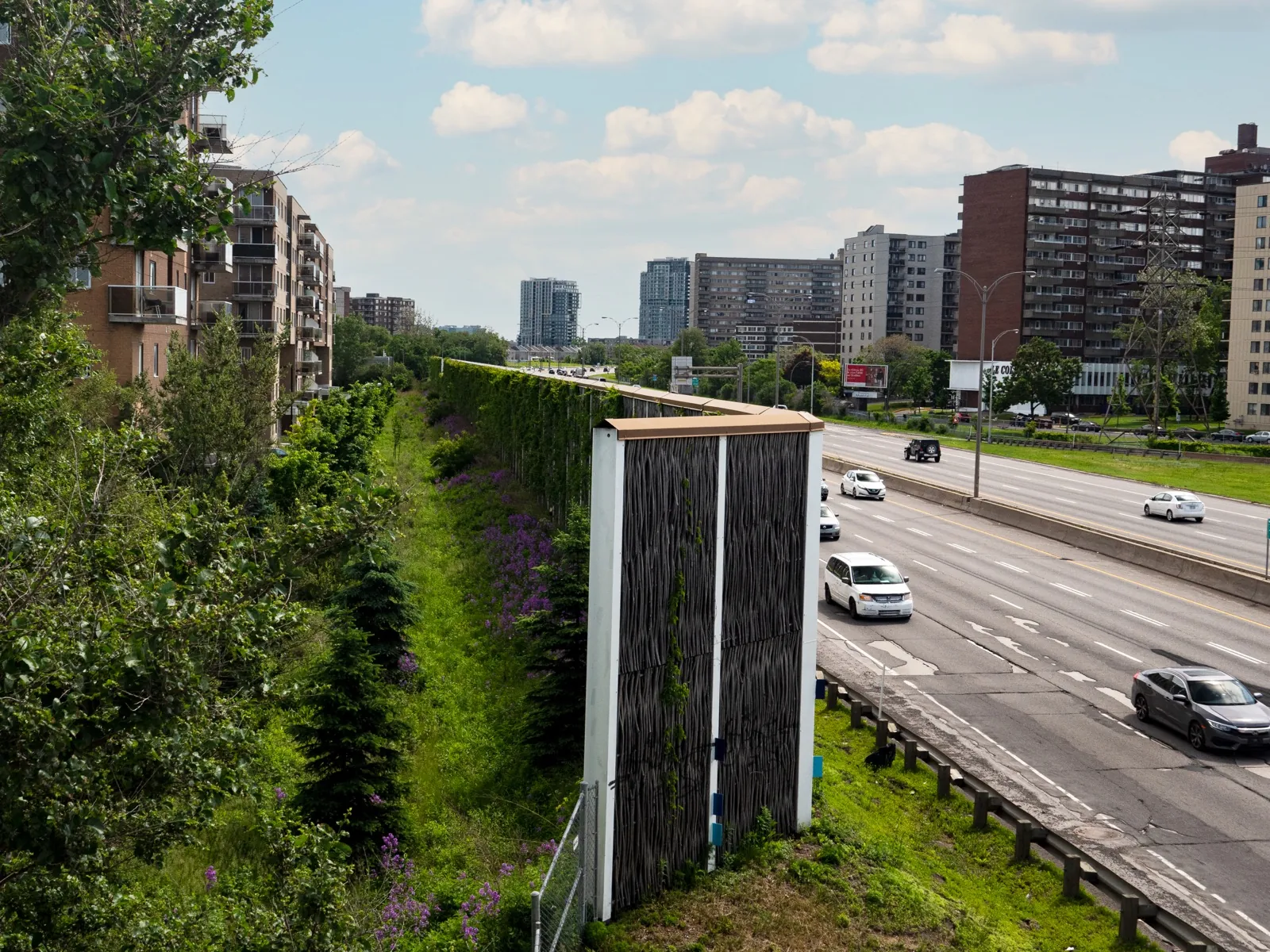
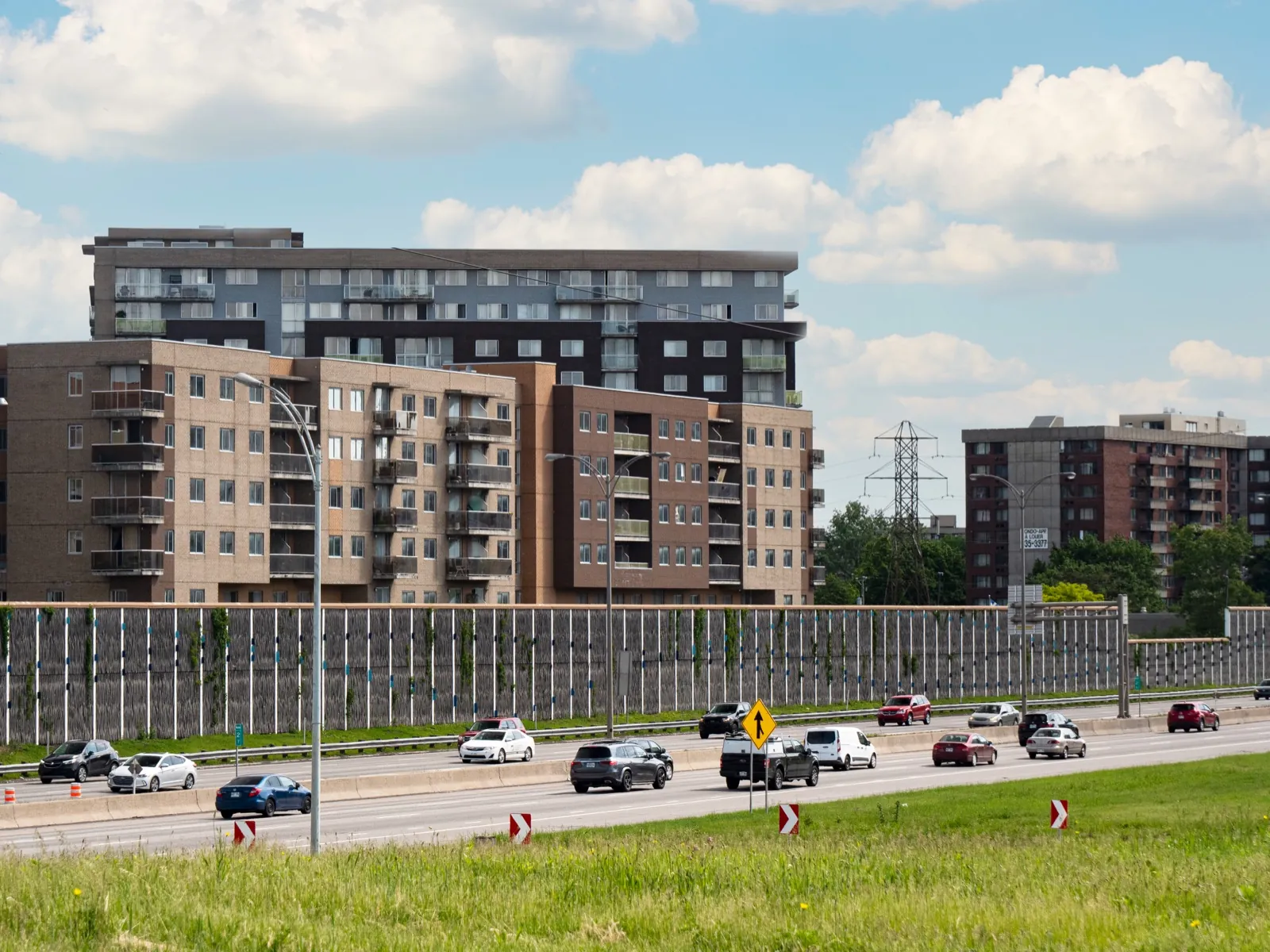
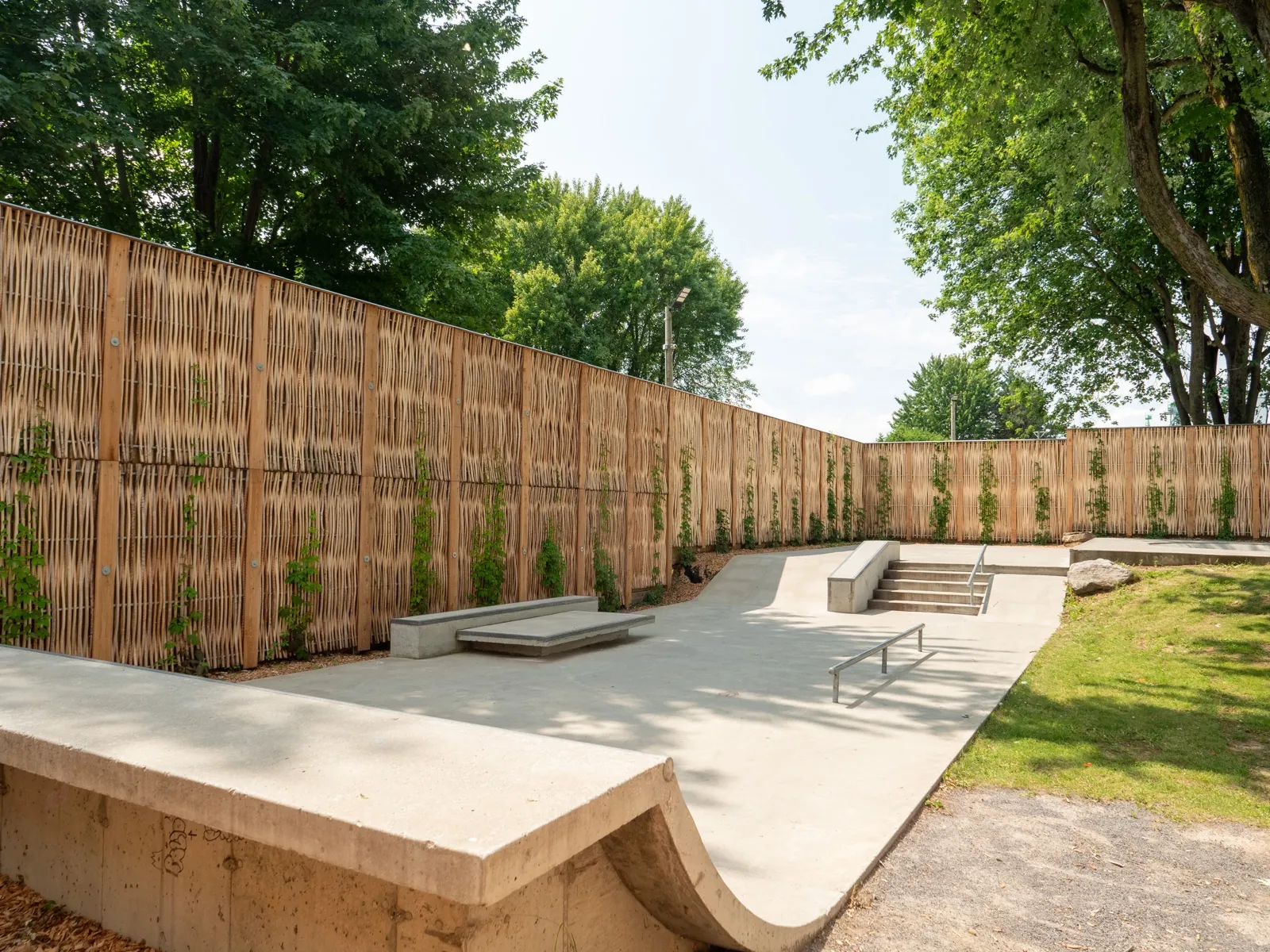



Pilebyg® specifications.
Everything people ask us about Pilebyg®.
What acoustic performance does Pilebyg® provide?
Pilebyg® can provide attenuation of up to -10 dB, depending on wall height, site configuration, and the distance between the source and receiver.
Performance is validated project by project through an acoustic study and corridor modelling.
What panel dimensions are available?
The standard width is 5 ft, with custom spans up to 16 ft. Height can reach 11.5 ft in a single panel, with additional height possible through stacked panels. For details, see our typical drawings.
Are the willows in the wall alive?
No. The optimal conditions required to keep living willow healthy (sun, water, nutrients) are often difficult to maintain in this type of infrastructure, and living willow would require unwanted maintenance. For this reason, Pilebyg® uses dried willow stems that act as a carbon sink and a support for climbing plants. Over time, the screen naturally becomes covered with vegetation, combining the benefits of vegetated infrastructure with durability and low maintenance.
Does woven willow age well outdoors?
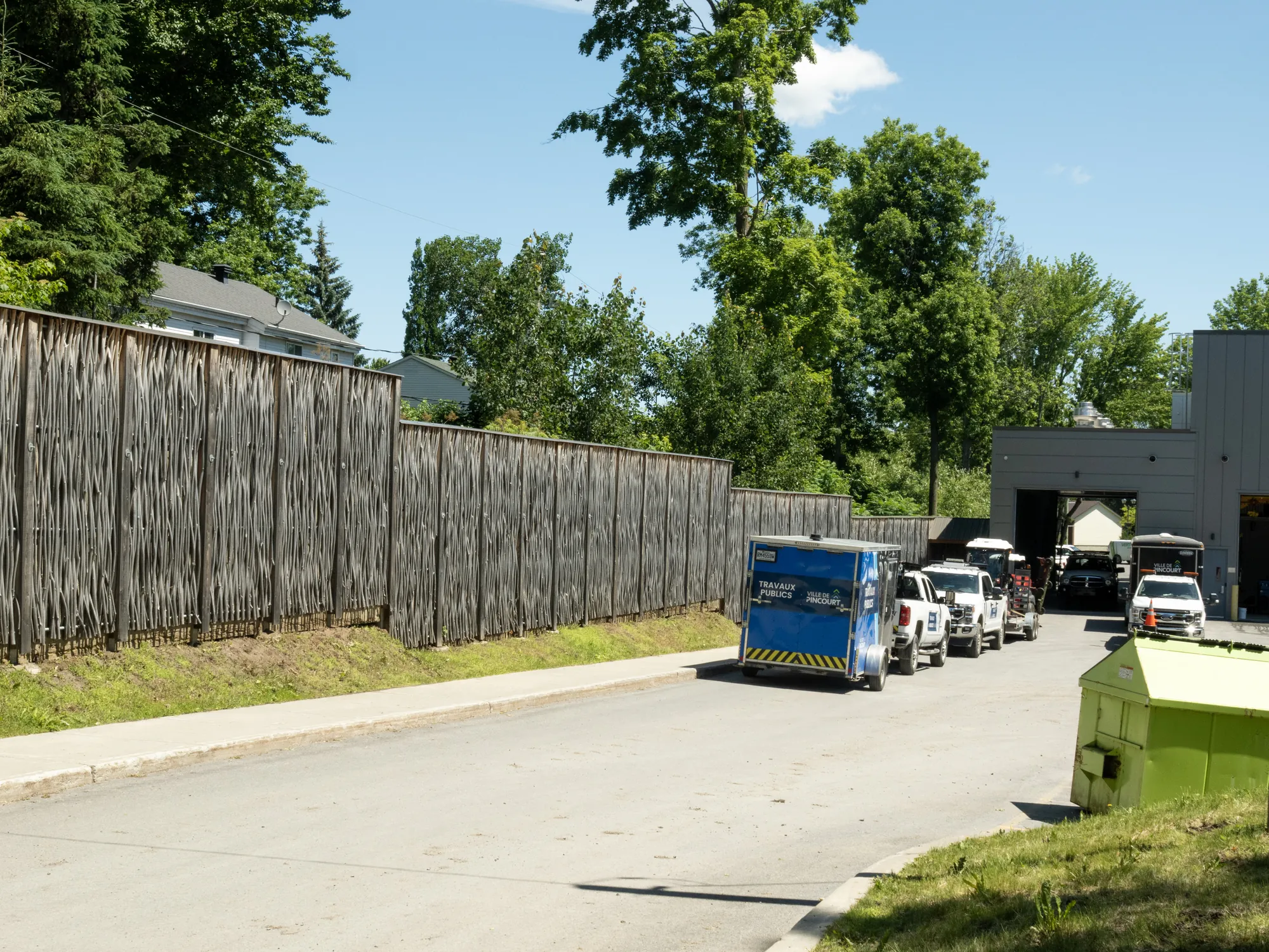
Yes. The willow used in Pilebyg® is selected and treated to withstand weather and freeze-thaw cycles. Its texture naturally greys over time and blends into the landscape without loss of structural or acoustic performance.
How is Pilebyg® different from HF1?
Both systems share the same acoustic performance (up to -10 dB), compliance with Quebec's ministère des Transports et de la Mobilité durable (MTMD), rock-wool core, and service life of more than 40 years.
Pilebyg® stands out through its woven willow facing, an organic texture that supports social acceptance and landscape integration in sensitive settings. HF1 uses larch for a more architectural, linear aesthetic.
Does Pilebyg® meet MTMD requirements?
Yes. Pilebyg® meets Quebec Ministry of Transportation and Sustainable Mobility requirements for noise barriers. Technical documentation is provided to support each project.
What is the service life of a Pilebyg® wall?
A Pilebyg® wall has a service life of more than 40 years when installed and maintained according to the manufacturer's recommendations.
Where is Pilebyg® especially relevant?
Pilebyg® is preferred in residential areas, parks, urban crossings, and screens in front of schools or hospitals: contexts where social acceptance and landscape integration are priorities.
Does Pilebyg® resist graffiti?
Yes. The smooth willow-stem surface does not hold spray paint well; paint flakes and falls away naturally after a few weeks. This is a major advantage in urban environments and along road corridors, where noise barriers are frequent tagging targets. No anti-graffiti coating is required.
Where is Pilebyg® manufactured?
Pilebyg® is manufactured in Canada in our facilities. Ramo handles distribution across North America, as well as installation and technical support for Canadian projects.
Need a technical sheet or quote?
Our team provides plans, specifications, technical sheets, and standards-compliance documentation for your project.