
Organic residuals management
Turning a liability into an agronomic resource.
The challenge
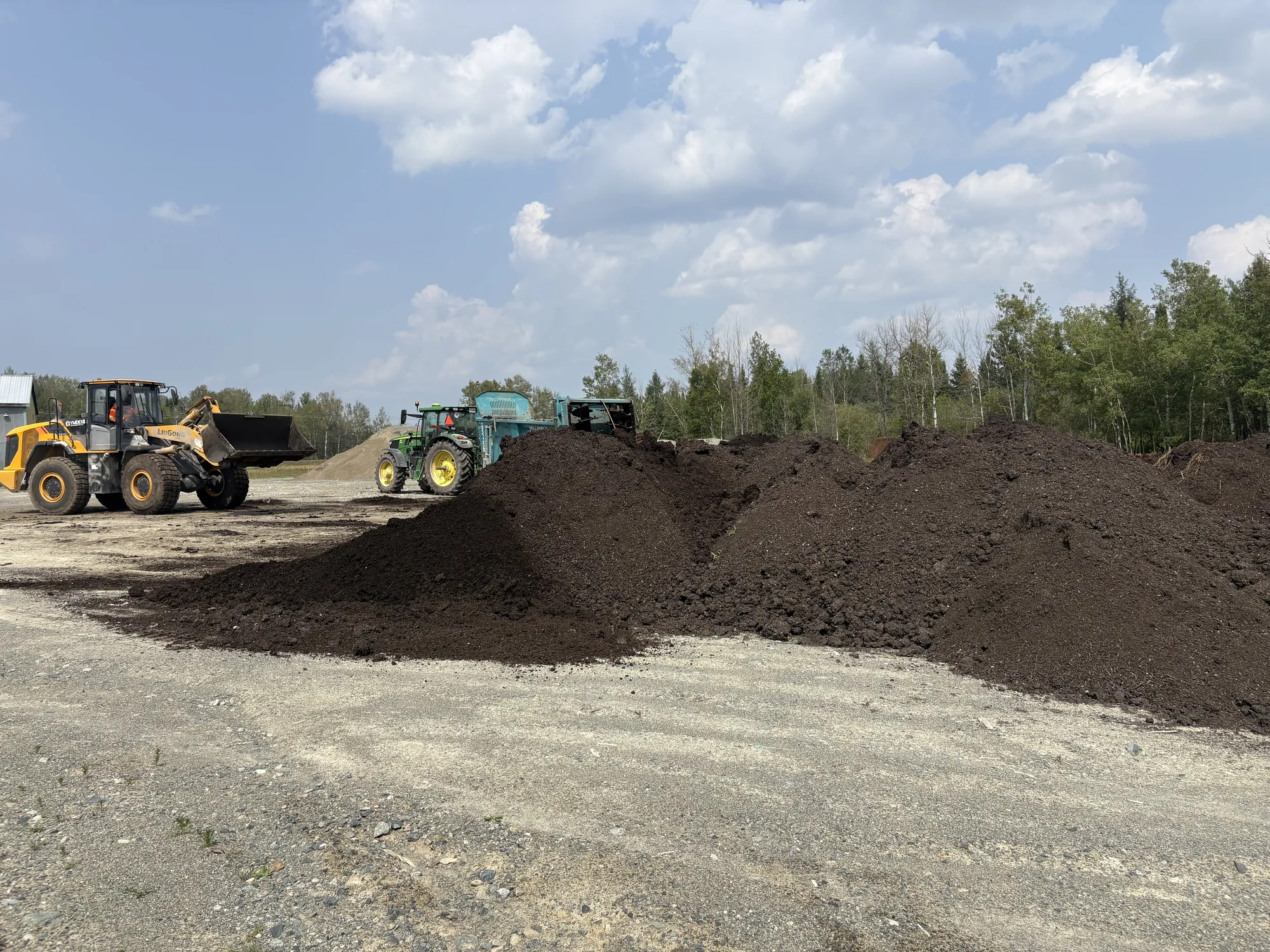
Fertilizing residuals (municipal and industrial sludge and digestates) represent a major operational and regulatory challenge for generators.
Managing them involves transport, treatment, and final disposal, often at high cost. Landfilling, still in use, causes a loss of agronomic value and increases organizations’ environmental footprint.
On top of this come strict regulatory requirements that frame and limit valorization options.
The solution
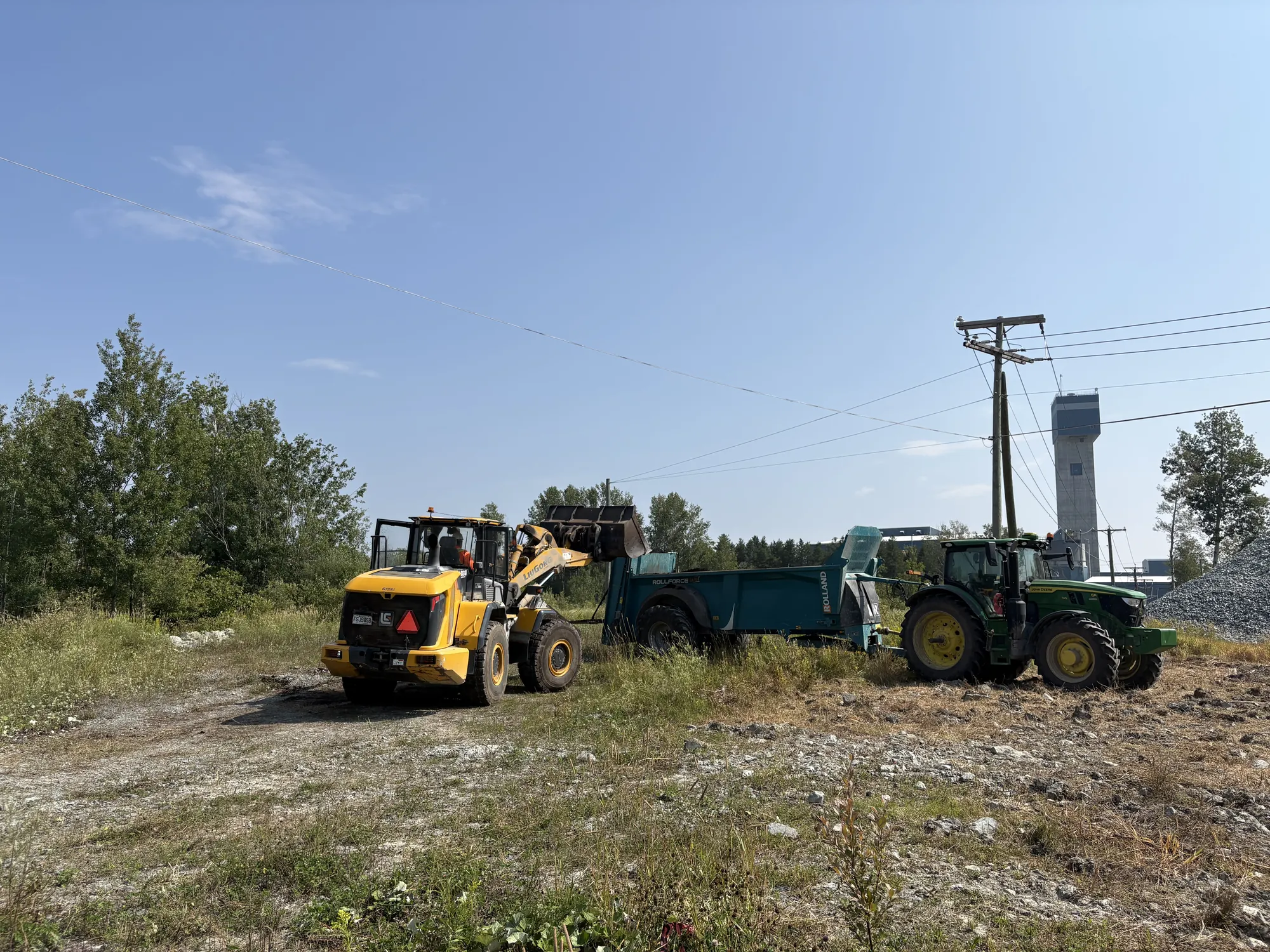
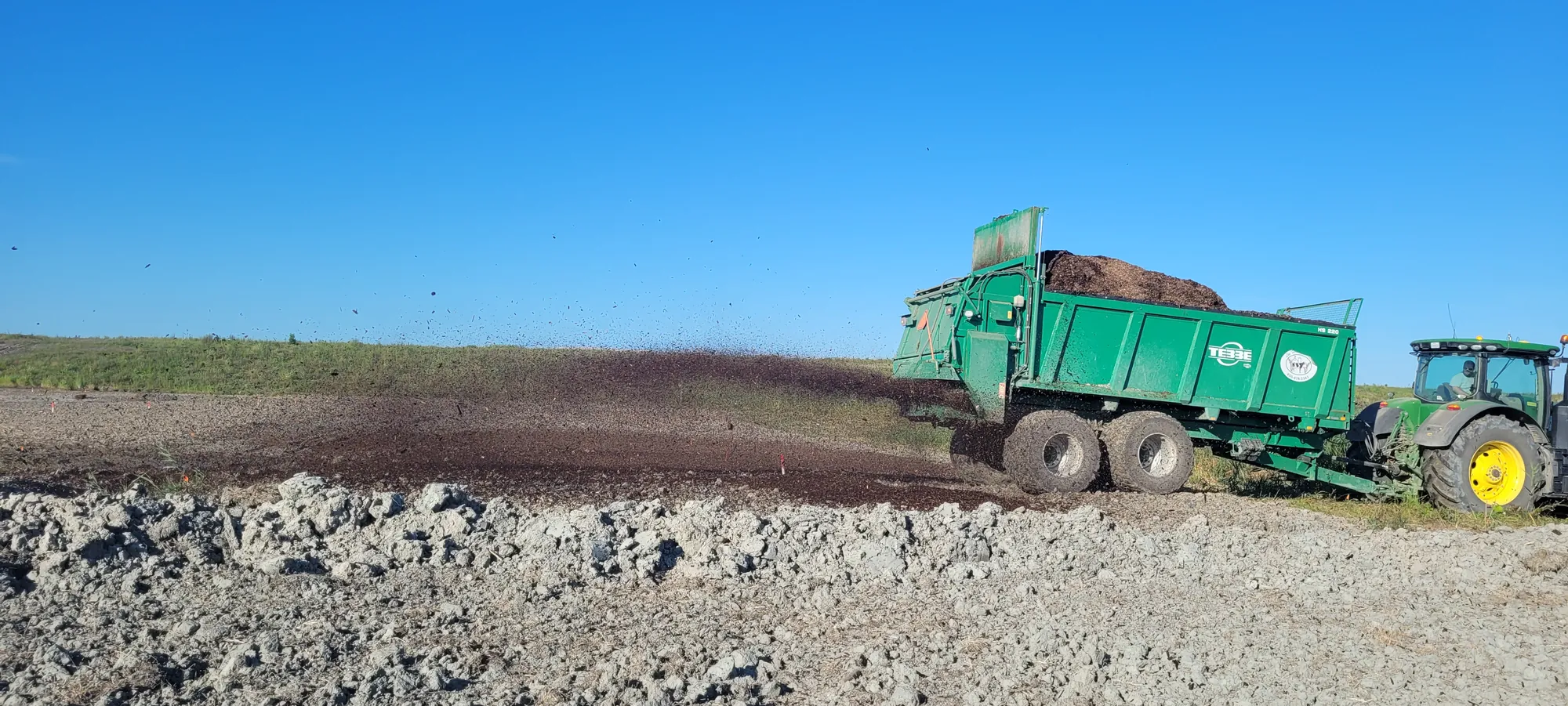
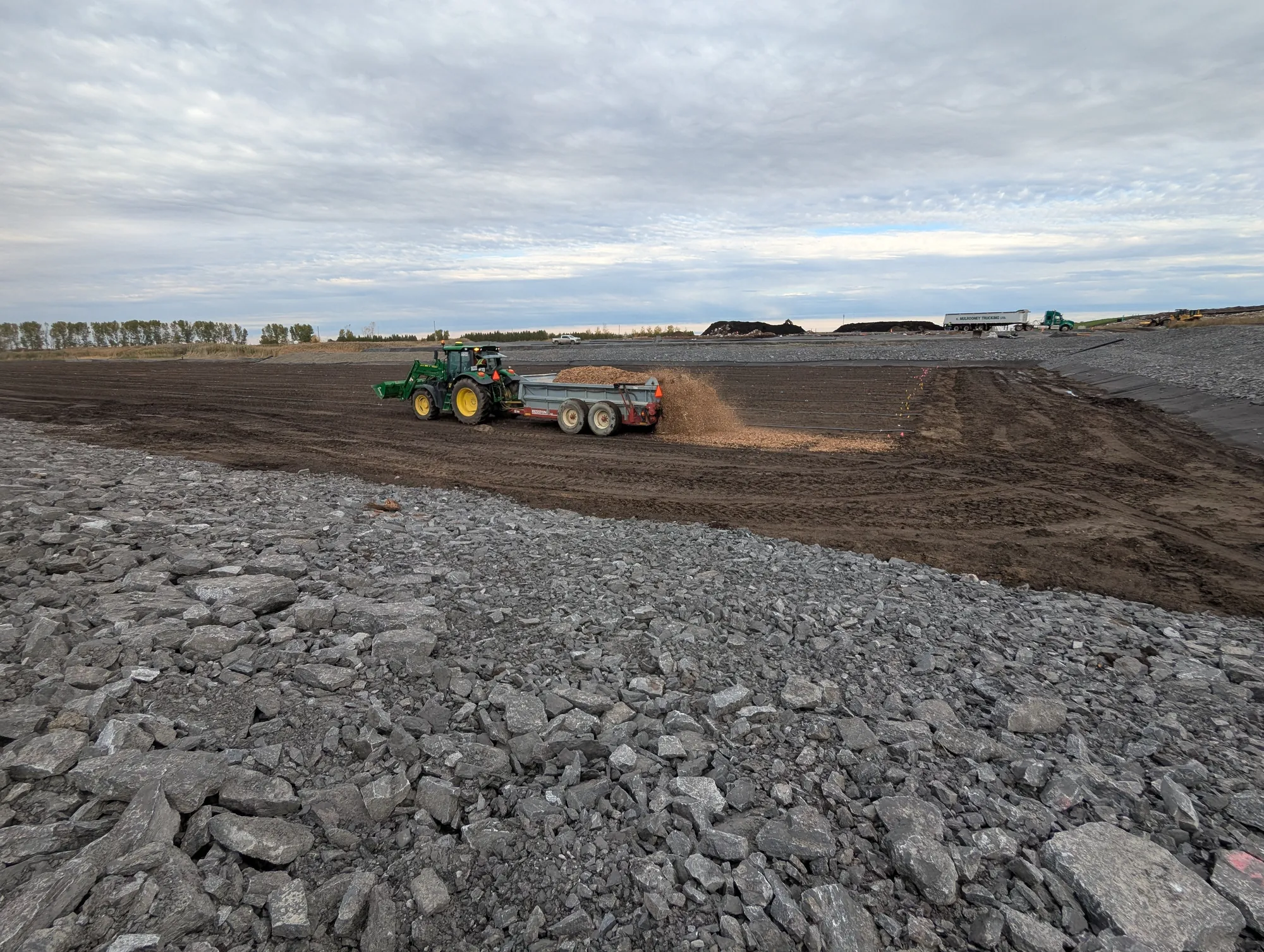
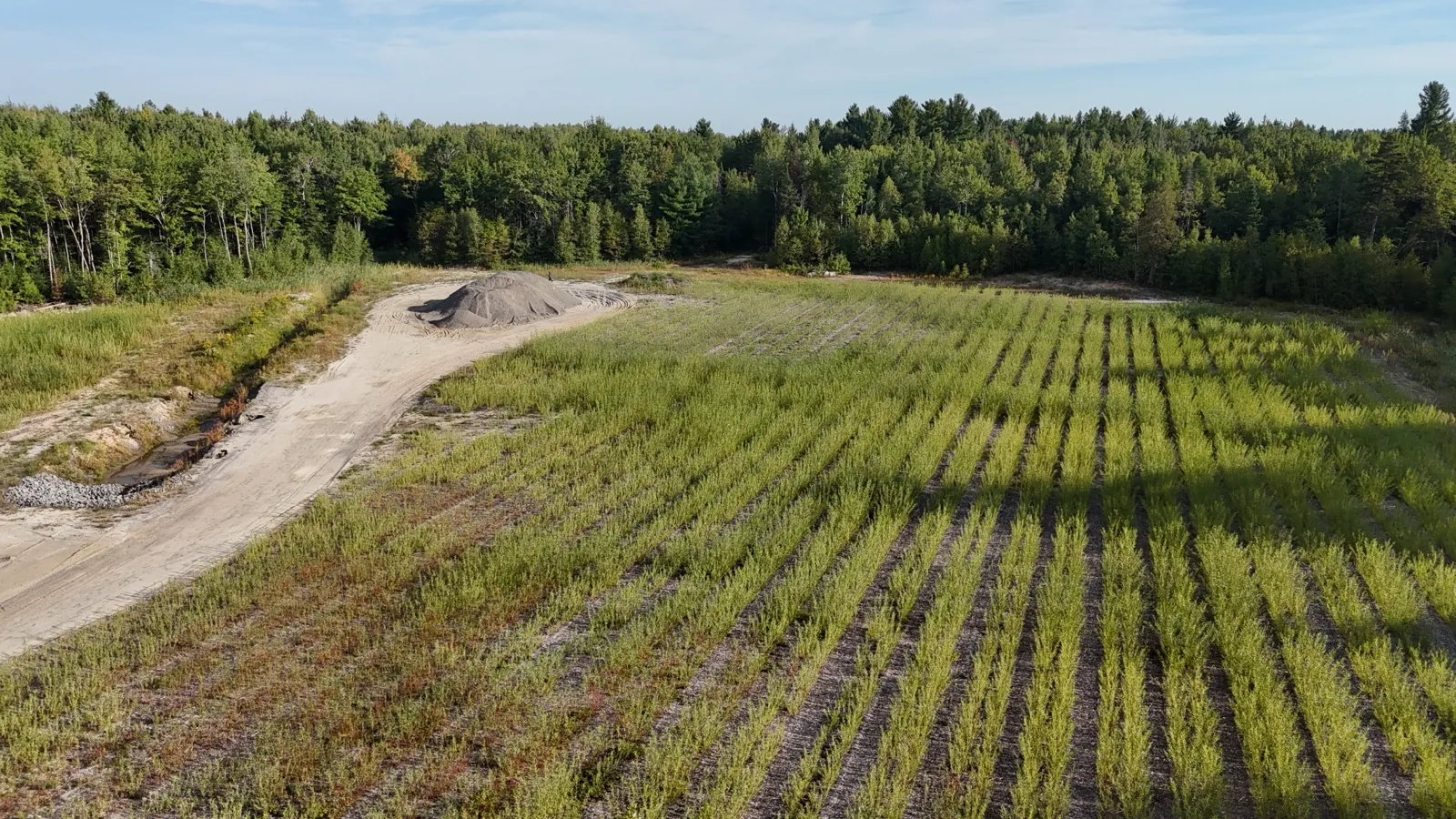
Ramo valorizes fertilizing residuals through controlled spreading on fast-growing willow plantations. Fertilizing residuals are used as an organic amendment, recycling nitrogen, phosphorus, and organic matter directly into a productive plant system.
Willows, recognized for their strong absorption capacity and rapid growth, take up these inputs into biomass while stabilizing nutrients in the soil. This approach turns a residual material to be managed into an agronomic input, within a regulated and controlled framework.
The benefits
Lower transport costs
Local valorization in plantations limits transport distances and the associated disposal costs.
Fewer volumes to dispose of
Materials are valorized rather than landfilled, cutting the volumes sent for disposal accordingly.
Nutrient recycling
Nitrogen, phosphorus, and organic matter are returned to a productive plant system.
Secured regulatory compliance
Characterization, traceability, and compliance reports comply with the regulatory framework.
Improved environmental performance
Less landfilling, carbon capture by the willows, and resource valorization: a reduced footprint.
The steps of a project
Characterization
Analysis of the fertilizing residual material and validation of compliance.
Planning
A valorization strategy tailored to the volume and quality of the fertilizing residuals.
Controlled spreading
Application on the willow plantations in accordance with the standards in force.
Traceability
Full regulatory monitoring and production of compliance reports.
Fertilizing residuals valorization in the field

Organic residuals management (Frequently asked questions)
What are fertilizing residuals?
Fertilizing residuals are organic residues containing valorizable nutrients, such as municipal and industrial sludge or biomethanation digestates.
Can all fertilizing residuals be valorized?
No. Each material must be characterized to validate its regulatory compliance and agronomic potential before any application.
How is regulatory compliance ensured?
Each project is governed by an agro-environmental valorization plan (PAEV) and authorizations issued by Quebec's ministère de l'Environnement, de la Lutte contre les changements climatiques, de la Faune et des Parcs (MELCCFP).
What are the benefits for the generator?
Lower management costs, fewer volumes to dispose of, secured regulatory compliance, and improved environmental performance.
Do you generate fertilizing residuals?
Reduce your liability, optimize an agronomic asset, and secure your compliance. Our team supports you from the PAEV through monitoring, within Quebec’s regulatory framework.
Updated