
Revegetation of degraded sites
Transform an environmental liability into an asset.
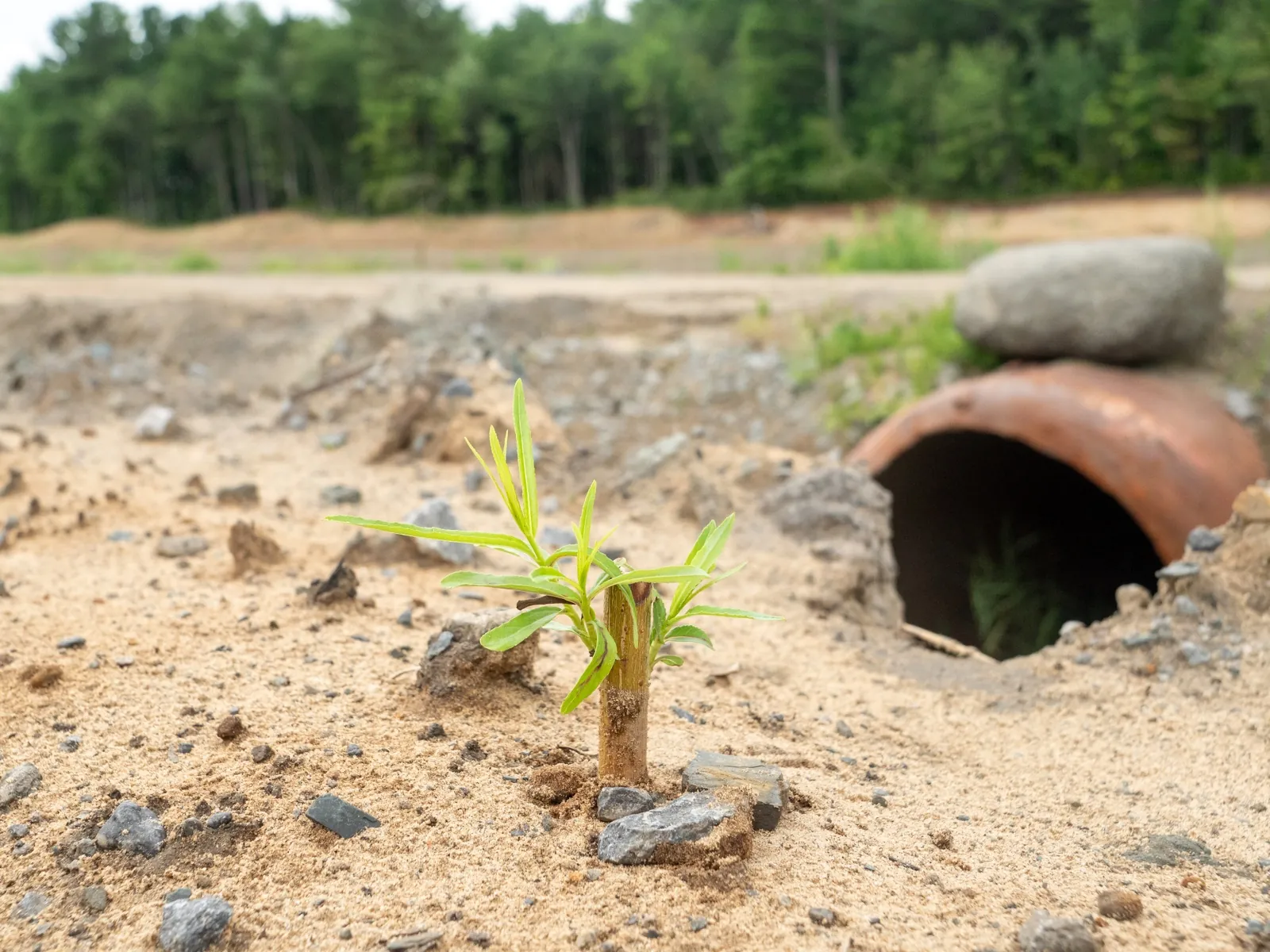
The challenge
Degraded sites (former quarries, sand pits, mines, contaminated land) represent a major environmental and economic challenge. The restoration of these spaces is often seen as costly and complex. It calls for solutions capable of recreating functional ecosystems.
The solution
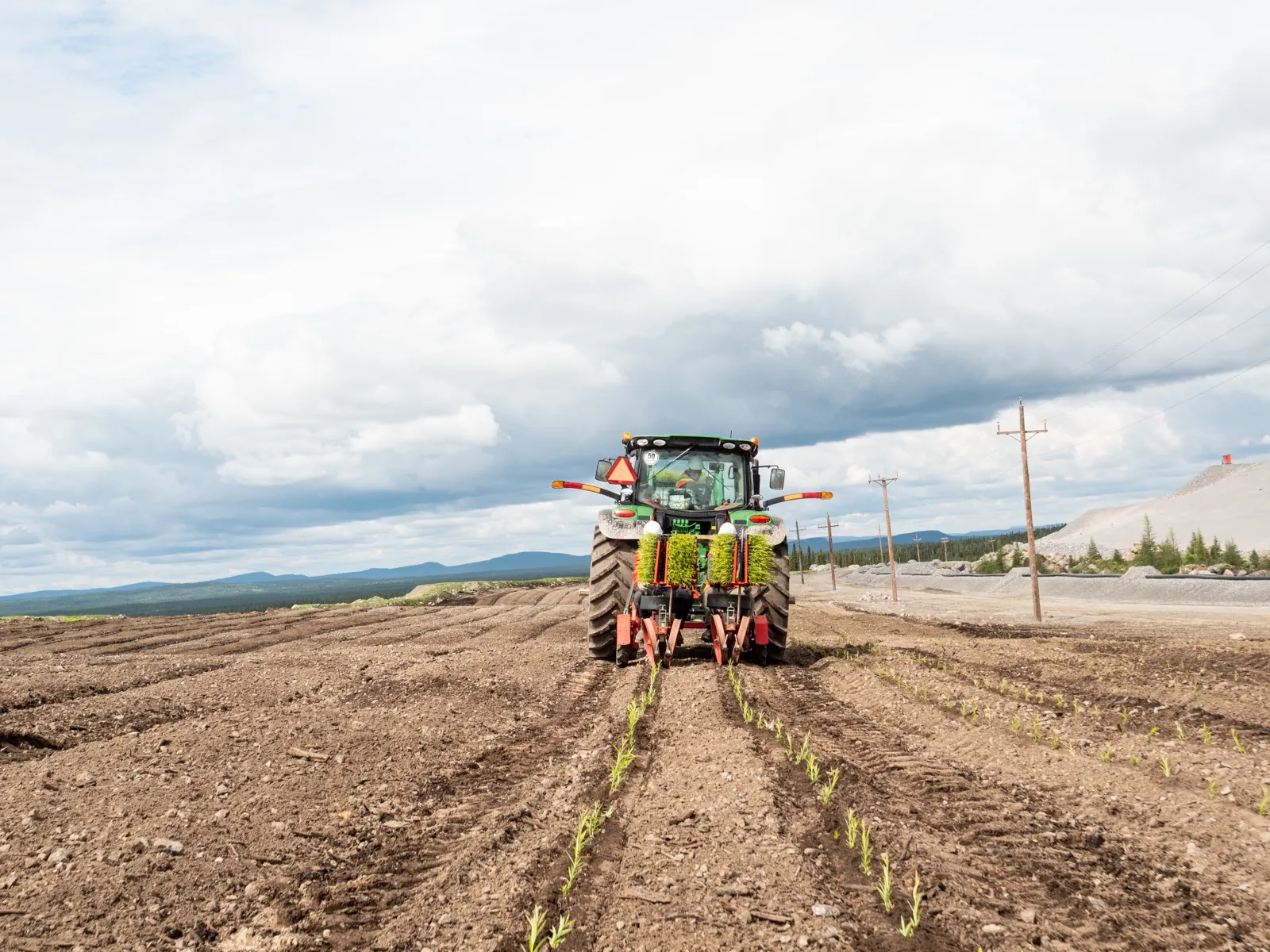
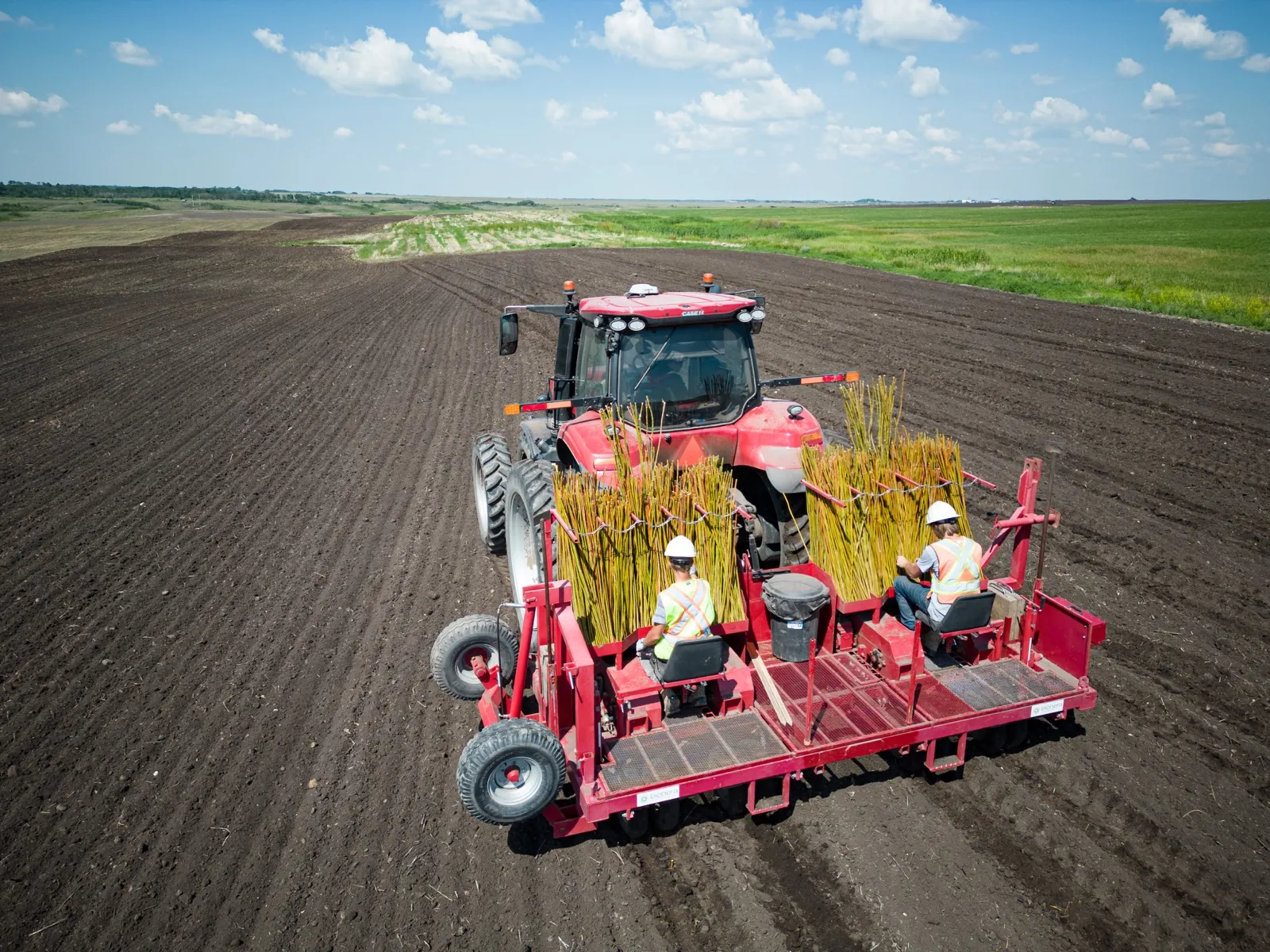
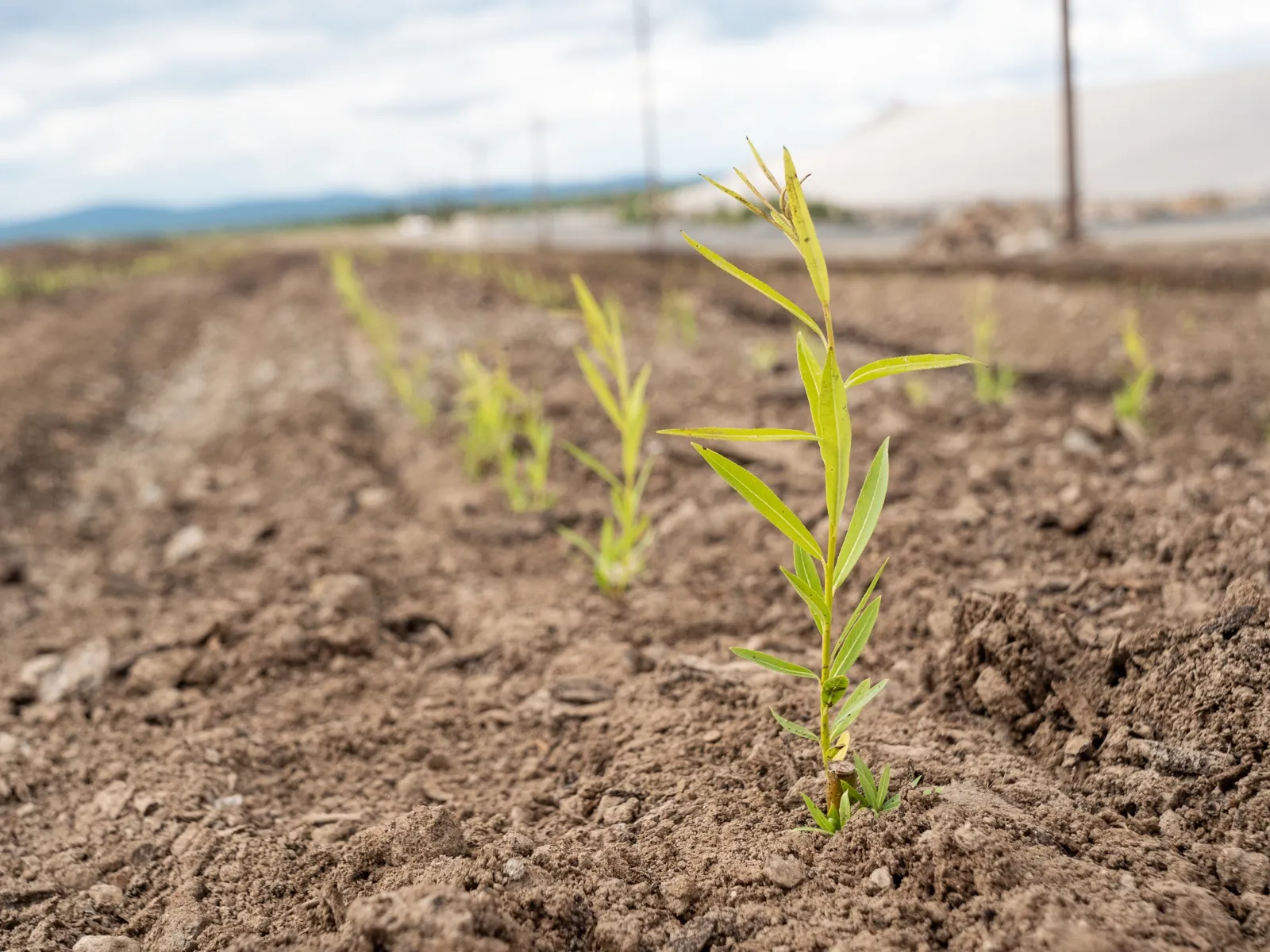
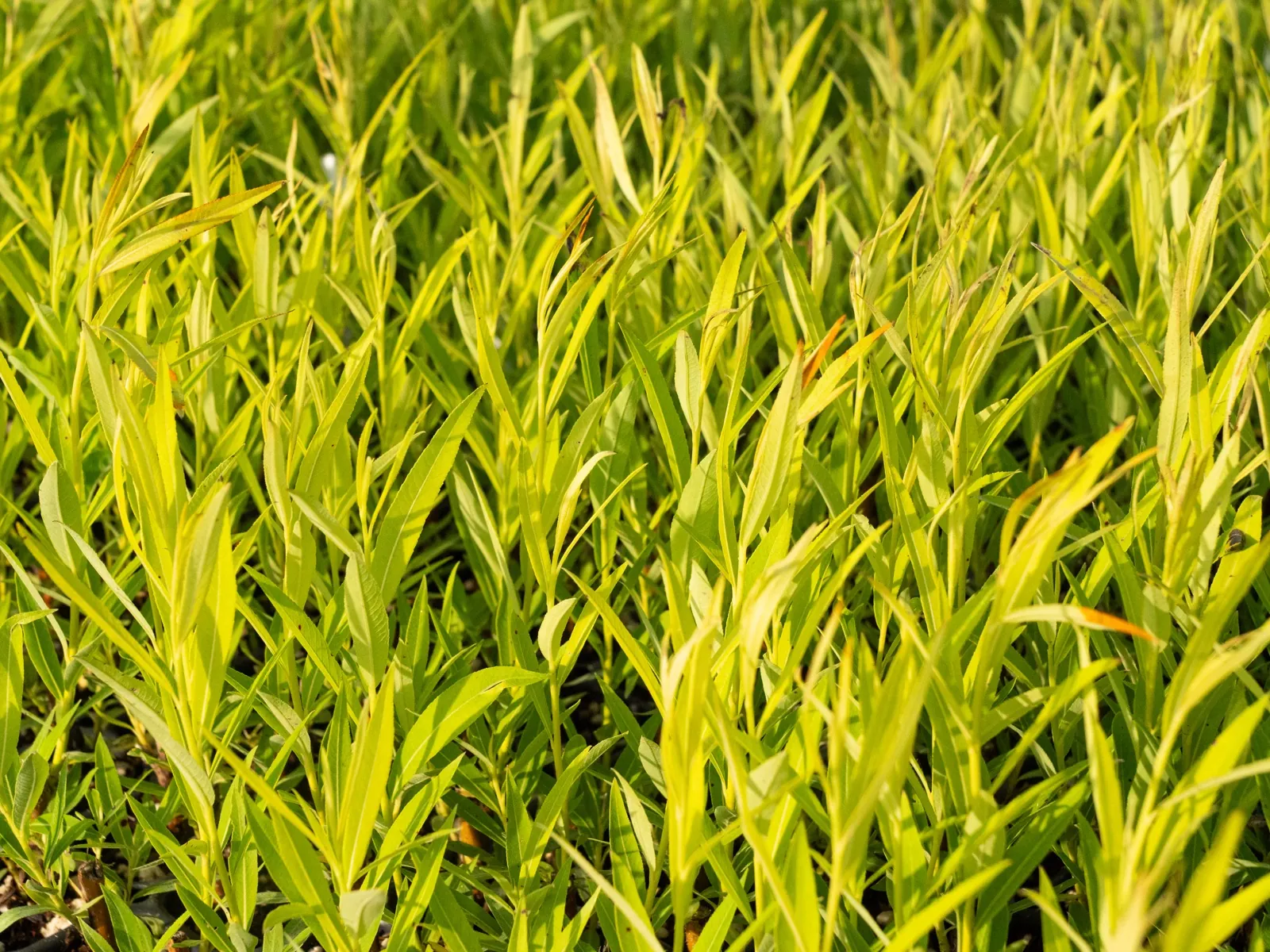
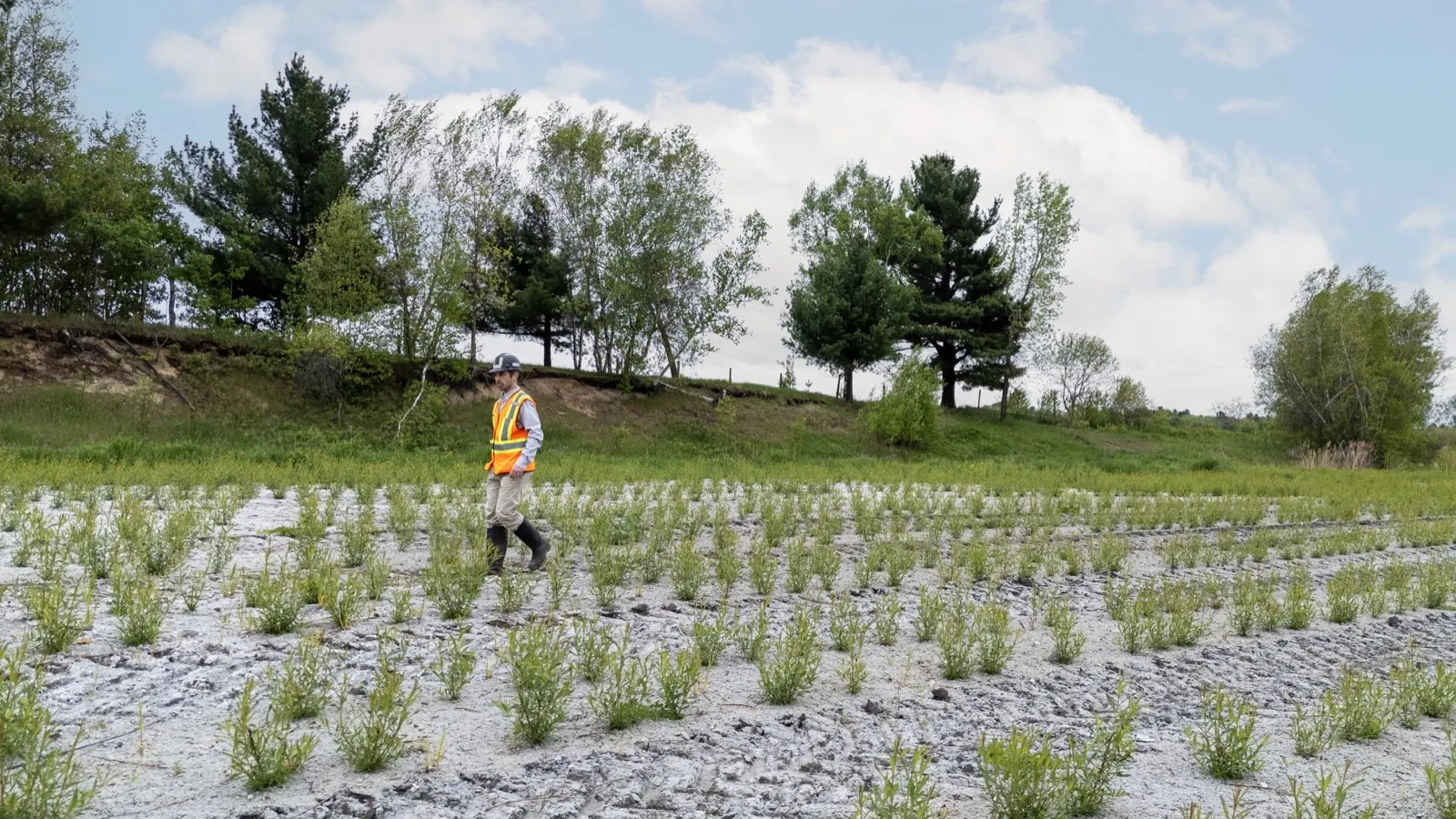
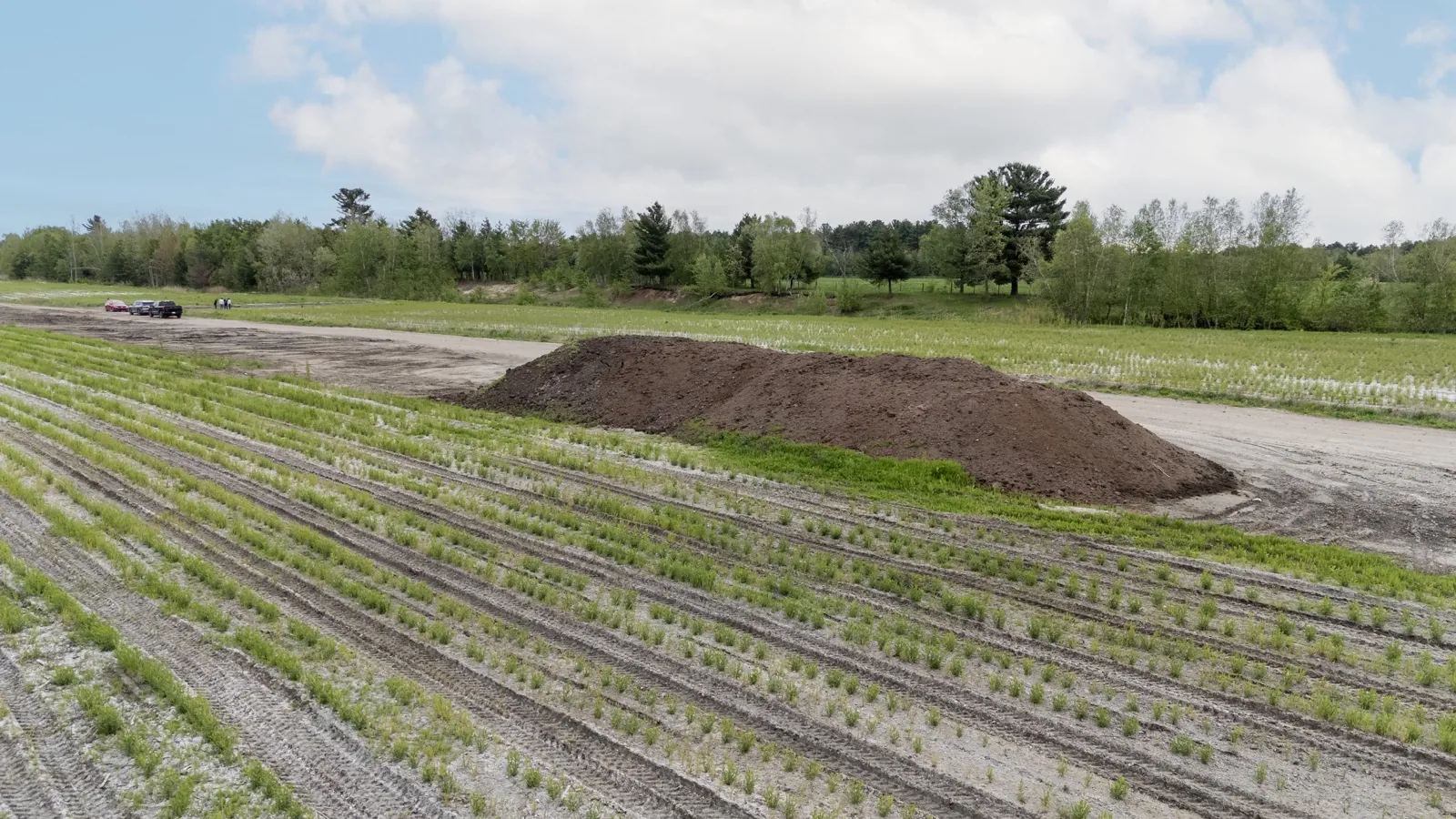
Ramo uses willows as a pioneer species for ecological restoration. Thanks to their dense root network and exceptionally fast development, willows stabilize soils and create the conditions needed for a diverse ecosystem to take hold.
From the first season, this root network limits erosion and shapes a substrate favourable to colonization by other native plant species, accelerating plant succession by establishing a shrub layer.
The planting also creates the conditions for cyclical productivity: periodic willow harvests produce ramial chipped wood (RCW) chips that can be returned to the soil, progressively enriching the substrate with organic matter and accelerating plant succession.
Explore further nearly 70 varieties in cultivation (how we choose the right cultivar for each site)The stages of a project
Site assessment
Assessment of soils and the water regime.
Preparation
Soil tillage and organic amendments tailored to site conditions.
Planting
Establishing willows to stabilize and/or revegetate soils.
Ecological monitoring
Monitoring the establishment of the planting.
Revegetation in the field
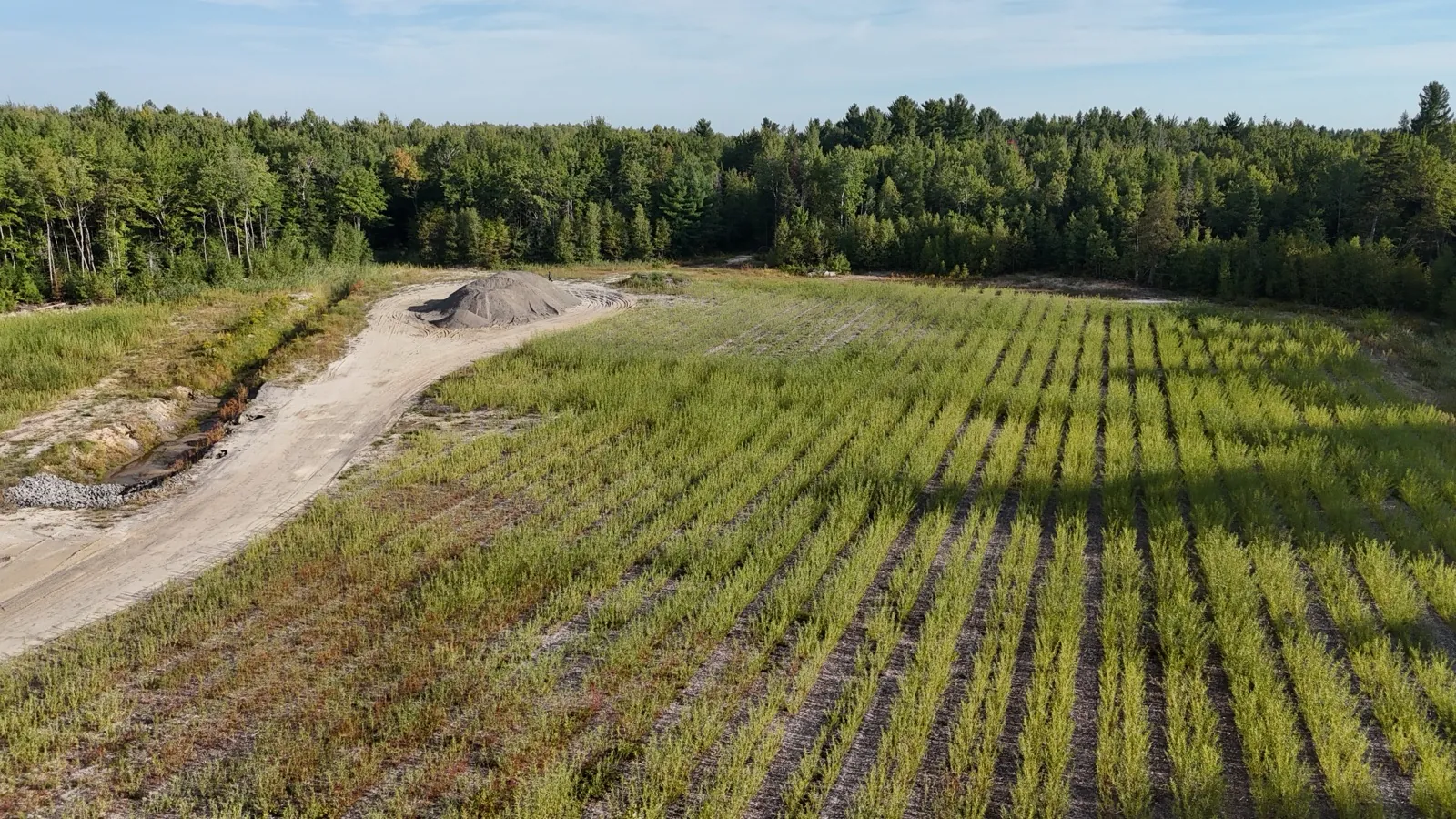
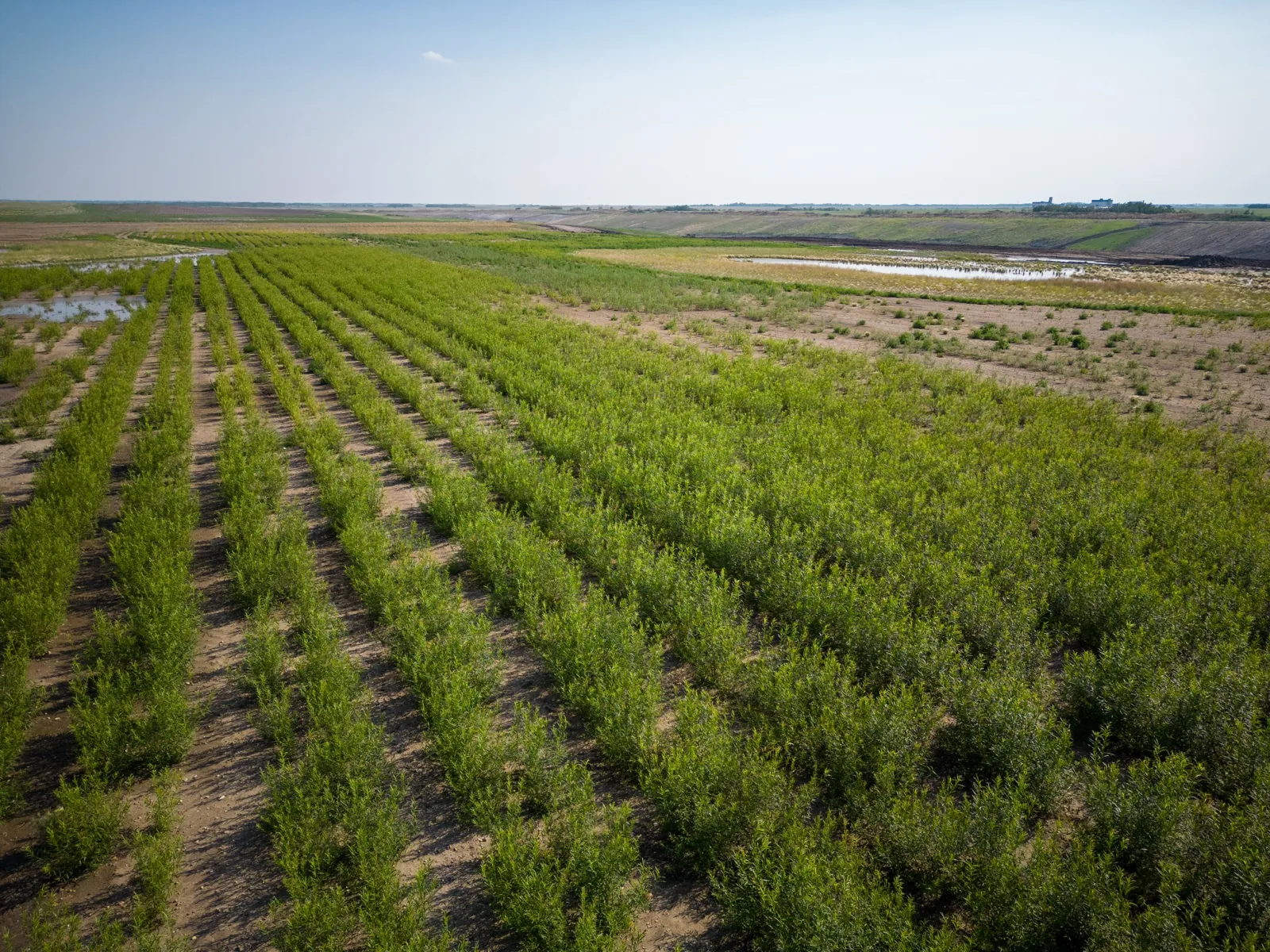
Revegetation (Sable Villeneuve sand quarry)
~50 ha revegetated with 1,000,000 willows and 5,000 t of fertilizing residuals (the progressive rehabilitation of a sand quarry nearing the end of operations).
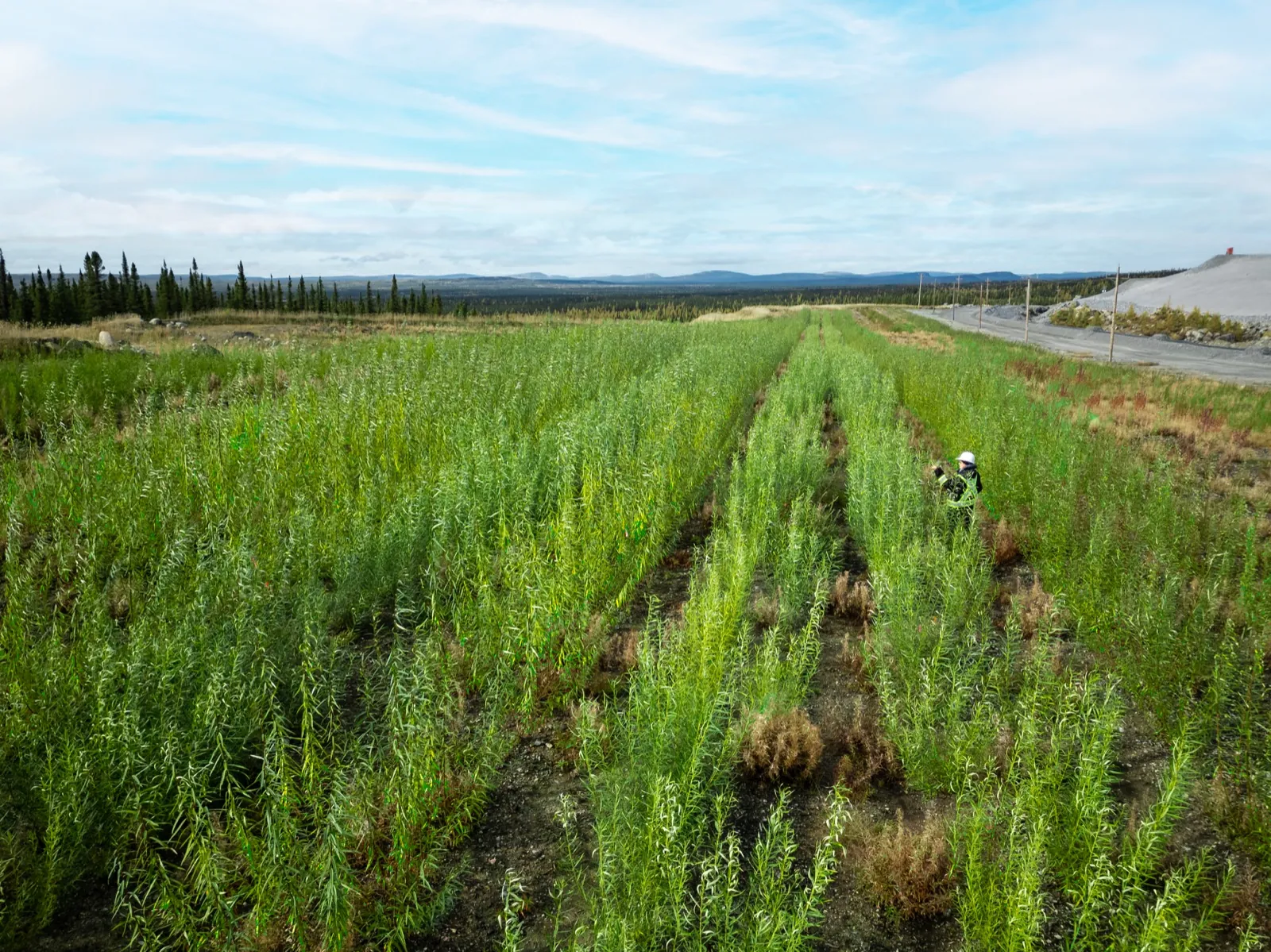
Revegetation (Mont-Wright Mine, ArcelorMittal)
Varietal trial of 12,300 willows on 1.7 ha (16 varieties tested in northern mining conditions).
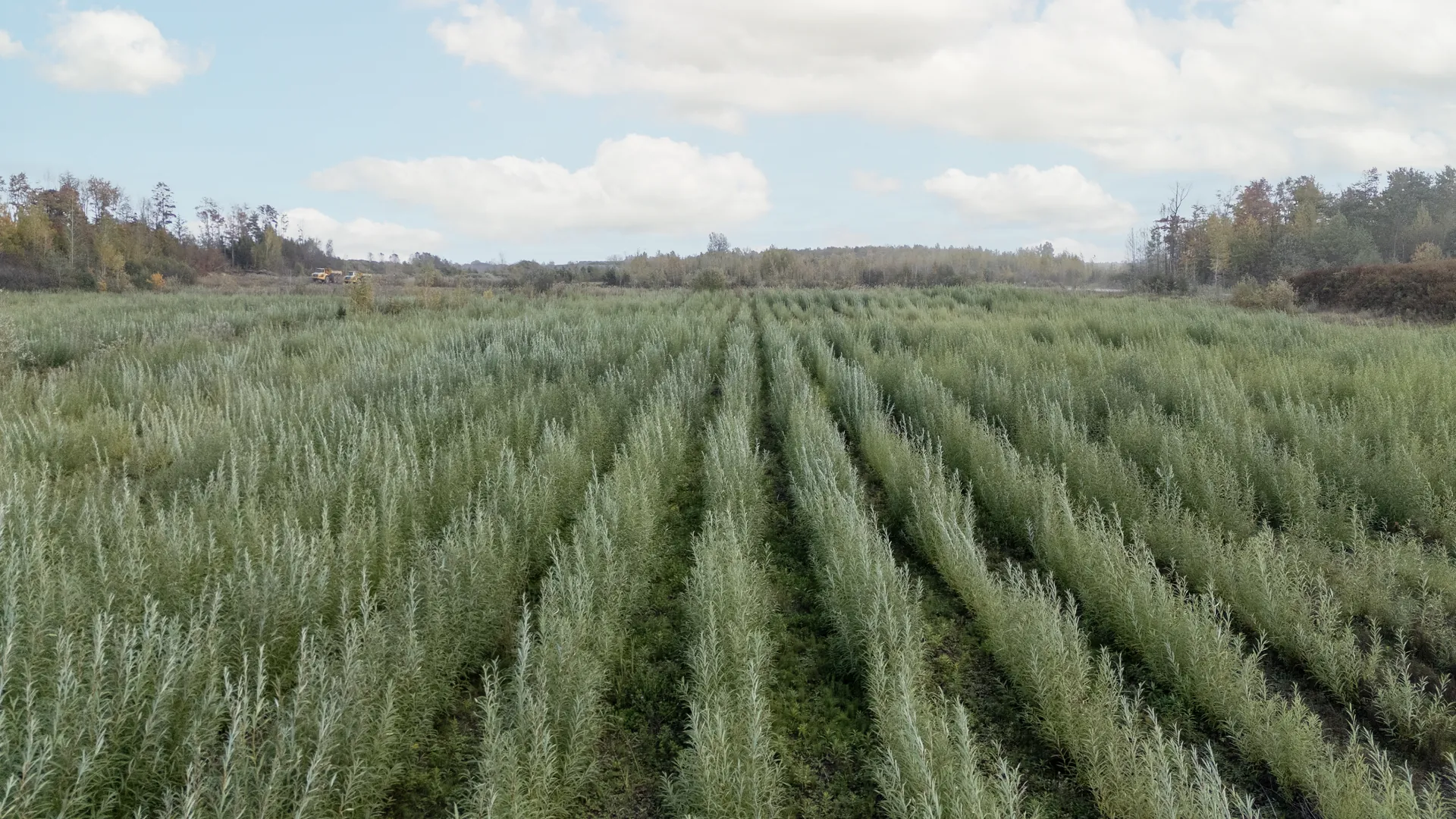
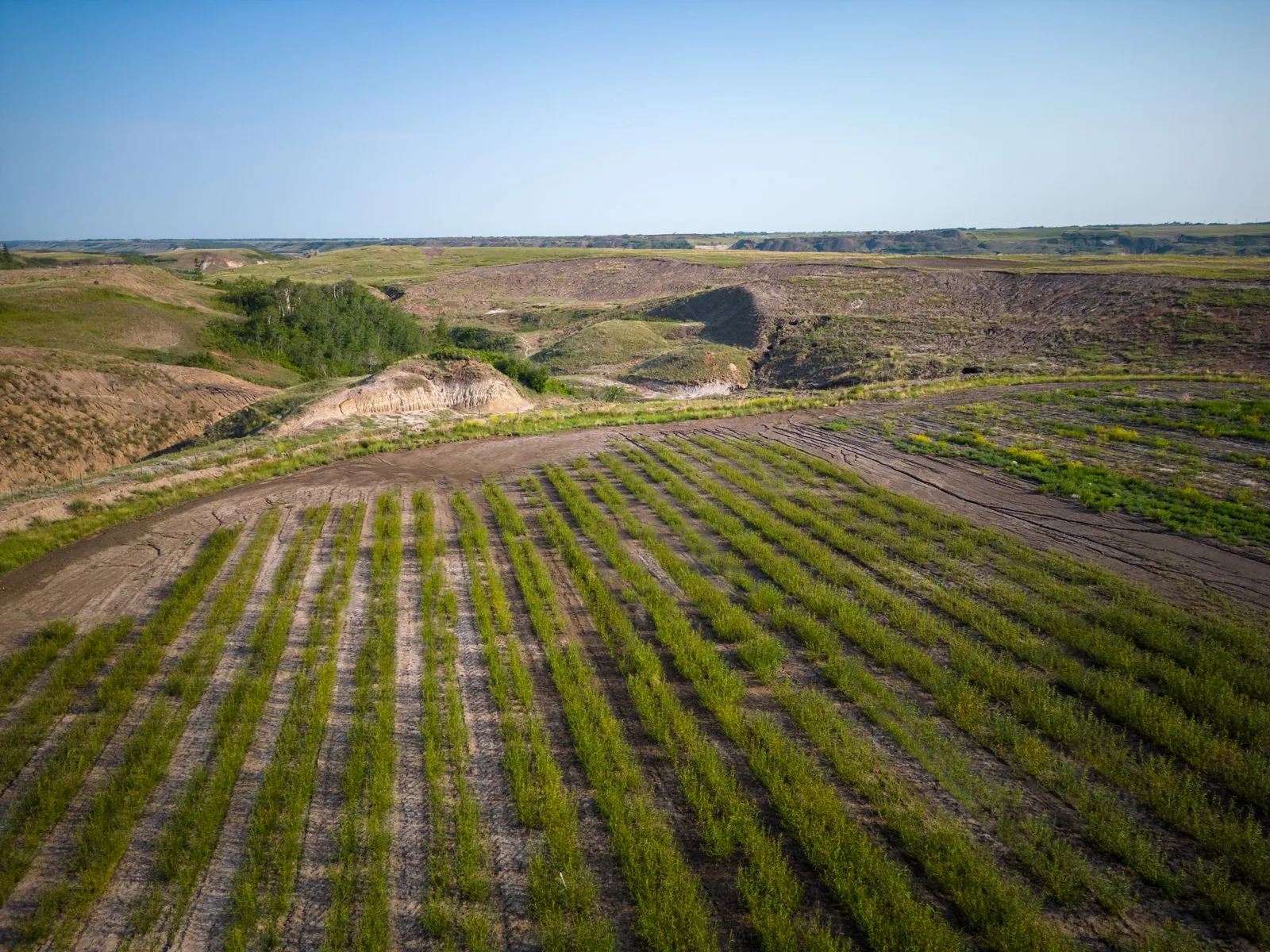
Revegetation (Demers sand quarry)
13 ha under intensive revegetation (up to 268,800 willows planted and fertilizing residuals valorized on site, since 2017).
Revegetation of sites (Frequently asked questions)
What types of sites can you restore?
We work on degraded mining sites, sand quarries and industrial brownfields. Willows are particularly well suited to depleted environments: they grow in substrates low in organic matter, tolerate contaminated soils depending on the nature and concentration of the contaminants, and their dense root system quickly stabilizes soils against erosion.
How long does it take to restore a site?
Initial revegetation takes 1 to 2 seasons. A functional ecosystem develops within 3 to 5 years. Visible results appear as early as the first year thanks to the fast growth of willows.
Is willow-based restoration approved by the authorities?
Yes, our restoration projects are carried out in compliance with the requirements of the Ministry of the Environment. We support our clients through the authorization process.
Have a question?
Contact us.
Our team is available to discuss your needs and recommend the right solution.