
Context
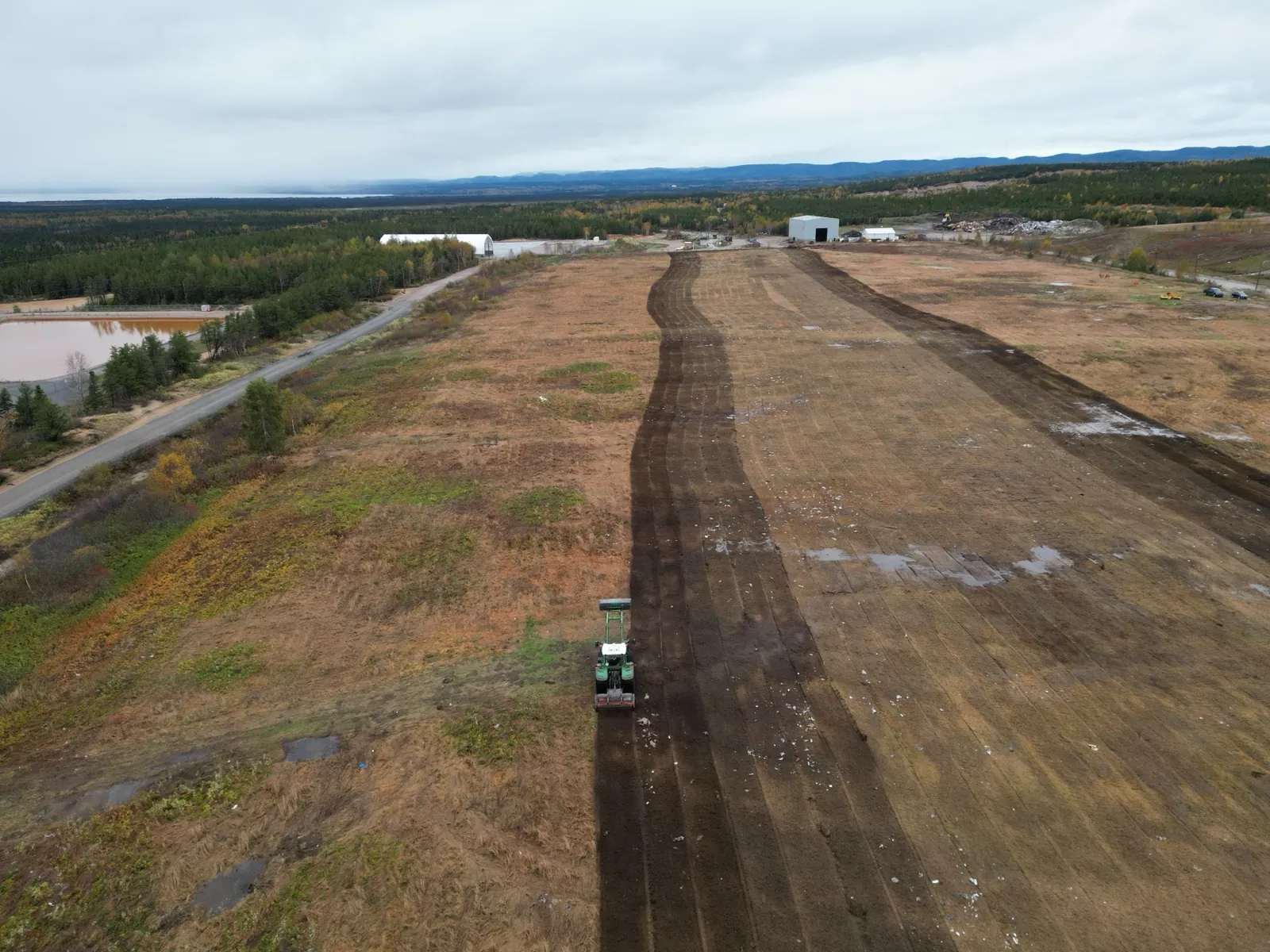
The City of Sept-Îles manages a former sanitary landfill (LES) closed since 2002, designed on a natural-attenuation model with no leachate collection system.
Because the base and final cover are not sealed, the site faced several water-management issues:
- precipitation infiltrates the waste mass
- contaminated water accumulates in the cells
- leachate seeps into surrounding natural environments
These conditions led to exceedances of environmental criteria around the site. The main objective was to reduce water infiltration into the waste mass in order to limit leachate seeps.
The solution implemented
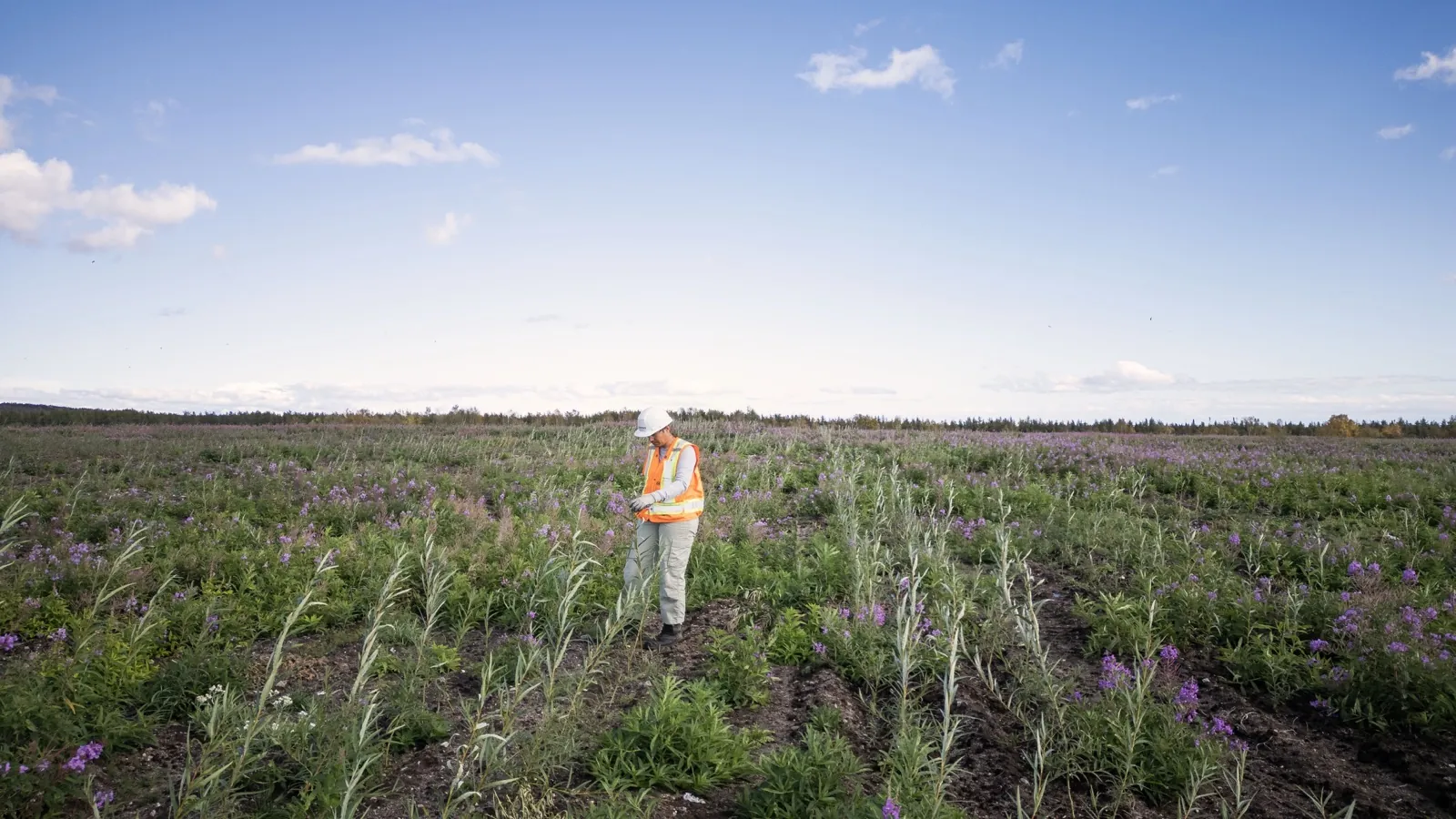
Ramo designed an Evacap™ evapotranspirative cover for the landfill's final cover.
The system combines:
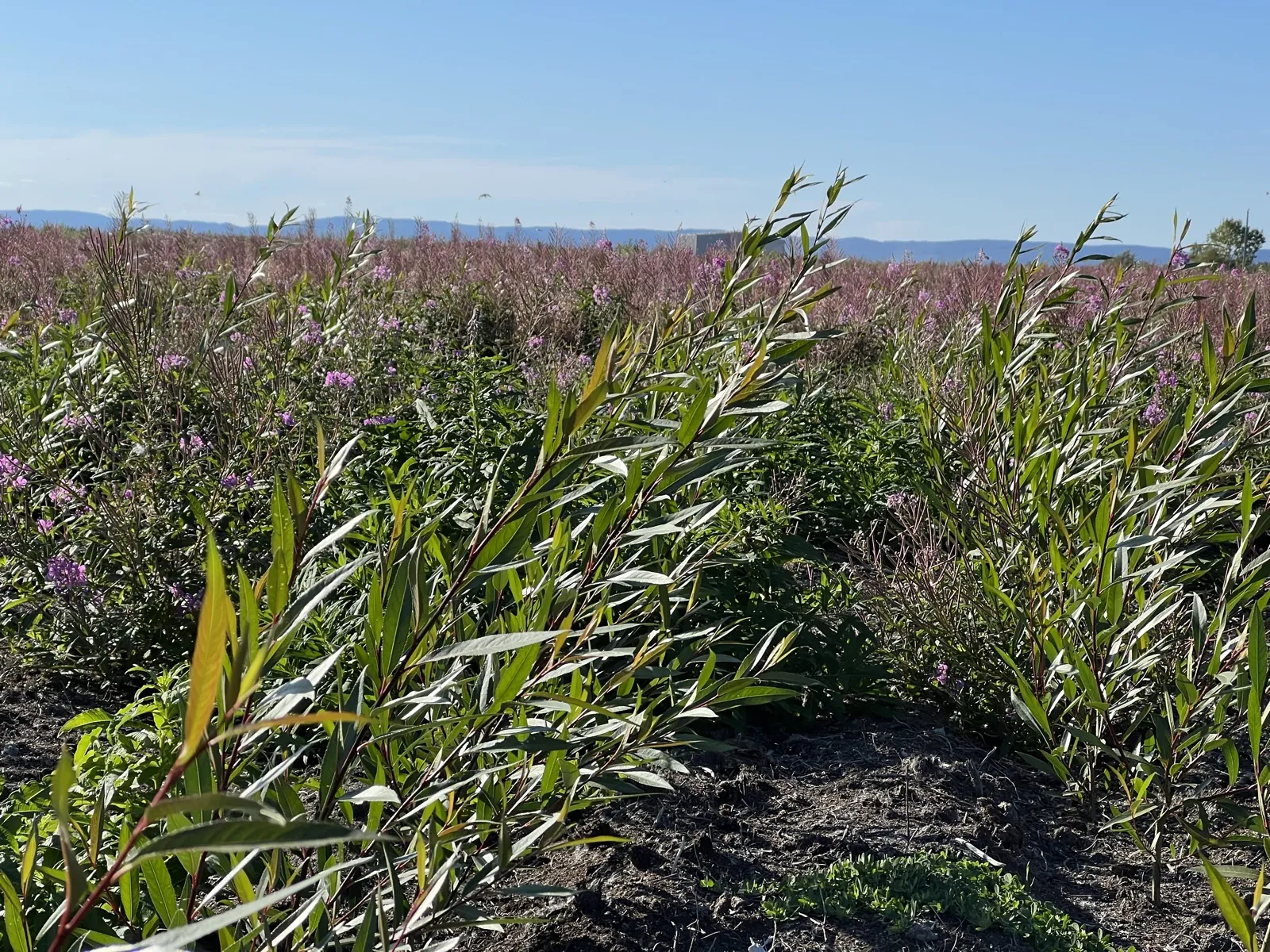
- dense plantings of fast-growing willows
- precipitation interception by the vegetation canopy
- active evapotranspiration during the growing season
The mechanism works on a sponge-and-pump logic: the soil temporarily stores water, then the willows absorb it and release it to the atmosphere. This process limits percolation toward the landfill cells and seeps toward the receiving environments.
Results and performance (projected / design sizing)
Water reduction
- 80 to 94% of seasonal precipitation evapotranspired
Managed volume
- up to ~37,800 to 50,700 m³ of water managed per season, depending on the scenario
System capacity
- up to ~176,000 willows over about 11 ha of cover
Co-benefits
Reduced leachate seeps
A direct reduction in contaminated water flows toward receiving environments.
Control of the site's water balance
Less infiltration into unsealed landfill cells.
On-site contaminant containment
Reduced water movement helps limit contaminant transport.
Valorizing an environmental liability
A closed landfill transformed into active management infrastructure.
A large-scale structuring project
An integrated approach that can be applied across the full site.

Facing a similar challenge?
Contact us.
Our team is available to discuss your needs and recommend the right solution.